
📍 Related Prefecture Guide:
Aichi Travel Guide
## Introduction
There’s something undeniably magical about Japan in spring, when delicate cherry blossoms (sakura) paint the landscape in shades of pink and white. While Tokyo and Kyoto often steal the spotlight, the vibrant city of Nagoya offers a truly enchanting and often less crowded alternative for experiencing the iconic hanami (flower viewing) tradition. Nestled in the heart of Aichi Prefecture, Nagoya combines rich history, modern charm, and a superb selection of cherry blossom spots, making it an ideal destination for first-time international travelers.
This comprehensive 3-day guide will help you navigate Nagoya’s best hanami locations, savor its unique culinary delights, and uncover hidden gems, ensuring a memorable spring journey. Prepare to immerse yourself in the beauty of sakura from late March to early April, the peak season when Nagoya truly comes alive.
## Why Visit This Area
Nagoya, the capital of Aichi Prefecture, serves as a fantastic base for exploring central Japan. Its strategic location makes it easily accessible via Japan’s efficient Shinkansen (bullet train) network, connecting it swiftly to major cities like Tokyo, Kyoto, and Osaka. Beyond its logistical advantages, Nagoya boasts a distinct cultural identity, blending historical landmarks with innovative industry and modern urban amenities.
For cherry blossom enthusiasts, Nagoya presents a unique advantage: fewer crowds. While popular spots in Tokyo and Kyoto can become overwhelmingly busy, Nagoya offers a more relaxed pace, allowing for a deeper appreciation of the sakura. The city and its surrounding areas in Aichi Prefecture provide a diverse range of hanami experiences, from grand castle grounds to tranquil riverside paths and meticulously maintained traditional gardens. Moreover, Nagoya is a culinary haven, famous for its unique “Nagoya Meshi” cuisine that offers a delightful exploration for your taste buds after a day of flower viewing. It’s an ideal choice for travelers seeking an authentic Japanese spring experience without the intense tourist rush.
## Best Things to Do: A 3-Day Spring Itinerary
Discover the finest cherry blossom viewing spots and cultural attractions in and around Nagoya with this carefully curated 3-day itinerary, designed to maximize your spring experience.
### Day 1: Nagoya City’s Historic Blossoms
* **Morning: Nagoya Castle & Meijo Park**
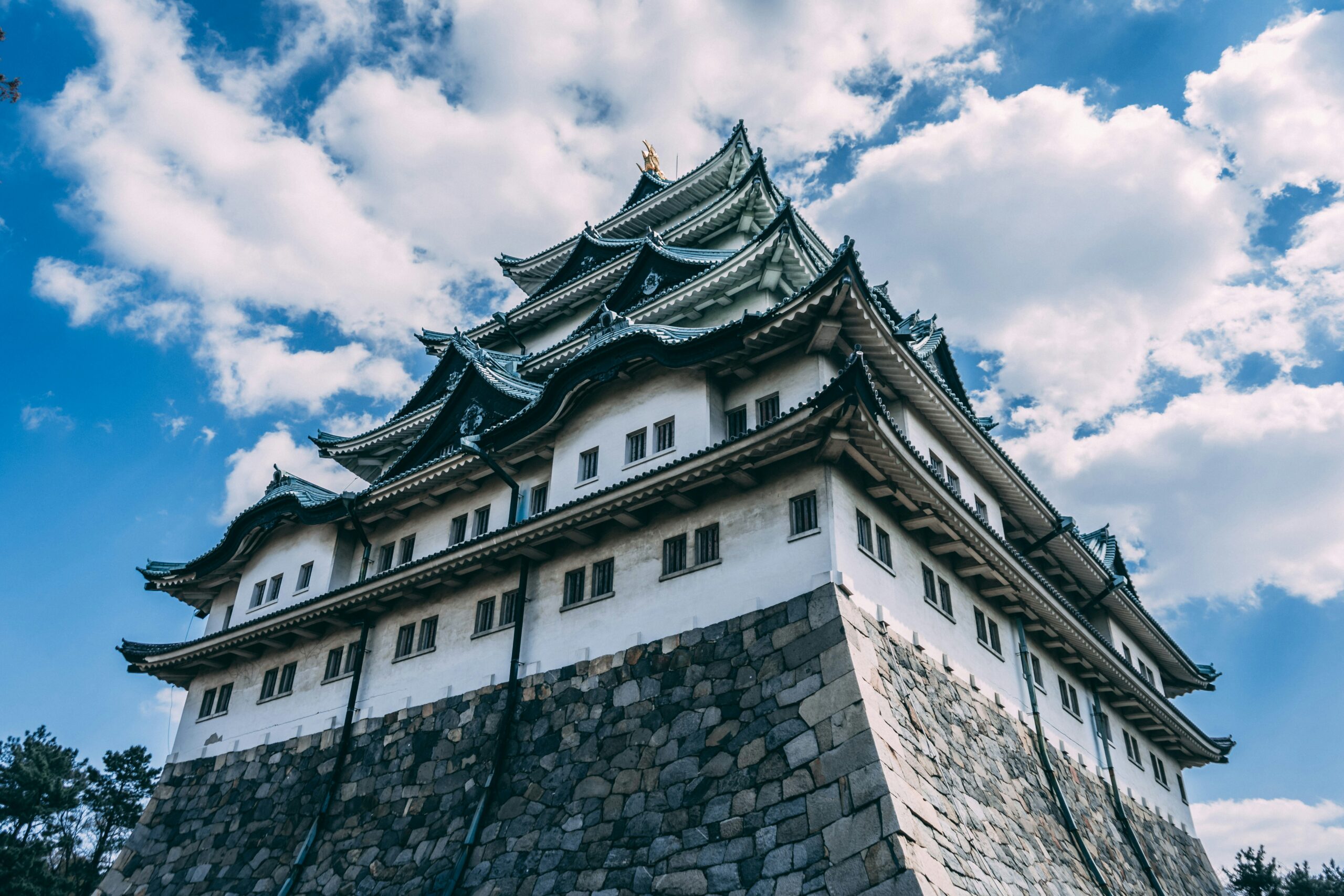
Begin your cherry blossom journey at the magnificent **Nagoya Castle**, a symbol of the city’s power and history. The castle grounds are home to hundreds of cherry trees, creating a stunning contrast with the golden shachihoko (tiger-headed carp) adorning the castle keep. Stroll around the reconstructed Honmaru Palace, admire the defensive moats, and find your perfect hanami spot.
* **Cost:** Castle admission is ¥500.
* **Getting there:** A short walk from Shiyakusho Station (Meijo Subway Line).
After exploring the castle, step into the adjacent **Meijo Park**. This expansive park features open lawns, a beautiful pond, and more cherry trees, making it an excellent location for a relaxed picnic under the blossoms. It’s less crowded than the castle grounds but equally picturesque.
* **Afternoon: Osu Shopping Street & Temples**
Transition from history to the lively atmosphere of **Osu Shopping Street**. This vibrant district offers an eclectic mix of traditional shops, quirky boutiques, manga stores, and countless food stalls. Explore the bustling arcades, discover hidden temples like Osu Kannon Temple, and enjoy a taste of local street food. It’s a great way to experience a different side of Nagoya’s culture.
* **Getting there:** Osu Kannon Station (Tsurumai Subway Line).
* **Evening: Sakae District & Dinner**
As evening approaches, head to **Sakae**, Nagoya’s modern downtown. This area is a hub for shopping, entertainment, and dining. Enjoy the illuminated cityscape from the Nagoya TV Tower or Oasis 21, and find a restaurant to savor your first taste of Nagoya Meshi.
### Day 2: Serene Riverside and Traditional Gardens
* **Morning: Yamazaki River (Shikinomichi)**
Today, immerse yourself in one of Japan’s Top 100 Cherry Blossom Spots: **Yamazaki River (Shikinomichi)**. A roughly 1km stretch along the river is lined with some 600 cherry trees, forming a breathtaking tunnel of blossoms. This spot is renowned for its tranquility and is particularly beautiful in the morning light.
* **Getting there:** A 15-minute walk from Mizuho Undojo Higashi Station (Sakura-dori Subway Line).
* **Tip:** Arrive early to enjoy the peaceful atmosphere before it gets too busy. Pack some light snacks or a bento for a riverside hanami experience.
* **Afternoon: Tokugawaen Garden**
Continue your tranquil journey at **Tokugawaen Garden**, a traditional Japanese garden originally built as a retirement villa for a feudal lord. While not solely a cherry blossom spot, its meticulously landscaped ponds, bridges, and diverse plant life provide a stunning backdrop for the cherry trees interspersed throughout. It’s a perfect place for quiet contemplation and beautiful photography.
* **Cost:** Admission is ¥300.
* **Getting there:** A short walk from Ozone Station (JR Chuo Line, Meitetsu Seto Line, or Nagoya Subway Meijo Line).
* **Evening: Explore Fushimi & Dining**
Head back towards the city center and explore the Fushimi district. Known for its business towers and upscale dining, Fushimi offers a more sophisticated evening experience. Find a cozy izakaya or a specialty restaurant to sample more local delicacies.
### Day 3: Aichi’s Beyond-Nagoya Blossoms
* **Morning: Okazaki Park & Okazaki Castle (Aichi Prefecture)**
Venture outside central Nagoya to **Okazaki Park** in Okazaki City, another of Japan’s Top 100 Cherry Blossom Spots. Home to **Okazaki Castle**, the birthplace of Tokugawa Ieyasu, this sprawling park boasts over 1,000 cherry trees, creating spectacular scenery. The castle grounds and riverside areas are incredibly popular for hanami, often featuring food stalls and festive atmosphere during peak season.
* **Cost:** Okazaki Castle entry is ¥200.
* **Getting there:** Take the Meitetsu Nagoya Line from Meitetsu Nagoya Station to Higashi-Okazaki Station (approx. 30 minutes, ¥410). The park is a 15-minute walk from the station.
* **Tip:** If your visit aligns with an evening, many trees here are beautifully illuminated after dark, offering a magical yozakura (night cherry blossom) experience.
* **Afternoon: Meitetsu Department Store & Last-Minute Souvenirs**
Return to Nagoya Station and spend your afternoon exploring the Meitetsu Department Store located directly above the station. It’s a great place to find high-quality Japanese goods, souvenirs, and gifts. Alternatively, visit the **SCMAGLEV and Railway Park** for an immersive look at Japan’s high-speed rail technology, located near Nagoya Port.
* **Cost (SCMAGLEV):** Admission ¥1,000.
* **Getting there (SCMAGLEV):** Take the Aonami Line from Nagoya Station to Kinjofuto Station (approx. 24 minutes, ¥360).
* **Evening: Farewell Nagoya Dinner**
Enjoy a final unforgettable dinner in Nagoya, perhaps revisiting a favorite dish or trying something new from the abundant options around Nagoya Station or Sakae. Reflect on your beautiful cherry blossom journey through Aichi.
[IMAGE: Nagoya Castle surrounded by cherry blossoms in full bloom, with people enjoying hanami in the foreground.]
## Local Food & Specialties (Nagoya Meshi)
Nagoya is famous for its unique culinary identity, affectionately known as “Nagoya Meshi.” Don’t leave without trying these local specialties:
* **Hitsumabushi:** Grilled eel served over rice in a wooden bowl. It’s traditionally enjoyed in three ways: plain, with condiments, and with dashi (broth) poured over it. A must-try experience!
* **Miso Katsu:** A deep-fried pork cutlet generously topped with a thick, rich Hatcho Miso (red miso) sauce. It’s savory, slightly sweet, and incredibly satisfying.
* **Tebasaki:** Nagoya-style chicken wings, distinctively seasoned, crispy, and often double-fried. They are addictive and perfect with a cold beer.
* **Kishimen:** Flat, broad udon noodles often served in a hot bonito-flavored broth with various toppings. Lighter than other Nagoya dishes, it’s a comforting meal.
* **Ogura Toast:** A popular breakfast item featuring thick-cut toast topped with sweet red bean paste and sometimes a dollop of butter or whipped cream. A surprising and delicious combination!
## Recommended Hotels
Choosing a well-located hotel is key for convenience. Here are a few recommendations across different price points, focusing on accessibility to Nagoya Station or the bustling Sakae district:
* **Nagoya Marriott Associa Hotel (Luxury):** Directly above Nagoya Station, offering unparalleled convenience, luxurious rooms, and panoramic city views. Perfect for those seeking premium comfort and easy access to transportation.
* **The Strings Hotel Nagoya (Upper Mid-Range):** A stylish and modern hotel located a short walk from Nagoya Station. Known for its elegant design, excellent dining options, and comfortable amenities.
* **Dormy Inn Premium Nagoya Sakae (Mid-Range):** Situated in the lively Sakae district, this hotel offers comfortable rooms and a fantastic bonus: a public hot spring bath (onsen) on-site, perfect for relaxing after a day of sightseeing.
* **Hotel Monterey Grasmere Nagoya (Mid-Range):** Connected to Nagoya Station via an underground passage, this hotel offers a blend of European charm and Japanese hospitality. Its convenient location and well-appointed rooms make it a great choice.
* **Meitetsu Grand Hotel (Comfort/Value):** Located directly above Meitetsu Nagoya Station, offering direct access to various train lines and department stores. It’s a solid choice for convenience and good value.
## Recommended Tours & Activities
While exploring independently is rewarding, guided tours or specific activities can enhance your experience:
* **Nagoya Cherry Blossom Walking Tour:** Keep an eye out for local tour operators offering seasonal walking tours that focus specifically on Nagoya’s best hanami spots, often providing local insights you might miss on your own.
* **Japanese Cooking Class:** Learn to prepare classic Japanese dishes or even some Nagoya specialties. Several schools in Nagoya offer English-friendly classes.
* **Tea Ceremony Experience:** Immerse yourself in Japanese culture by participating in a traditional tea ceremony. Many cultural centers and hotels offer this serene experience.
* **Day Trip to Inuyama (Optional Extension):** If you have an extra day or prefer to swap one of the itinerary days, consider a trip to Inuyama. Located just north of Nagoya, it boasts the charming Inuyama Castle (one of Japan’s oldest original castles), the picturesque Kiso River, and delightful cherry blossom avenues. It’s easily accessible by Meitetsu Line from Nagoya Station (approx. 30-40 mins).
## How to Get There
Nagoya is extremely well-connected, making it easy to reach from both international and domestic locations.
* **By Air (International):**
The main international gateway is **Chubu Centrair International Airport (NGO)**. From NGO, take the Meitetsu μ-SKY Limited Express or Rapid Express train directly to Meitetsu Nagoya Station (located adjacent to JR Nagoya Station).
* **Travel time:** μ-SKY takes approx. 28 minutes; Rapid Express takes approx. 35-40 minutes.
* **Cost:** μ-SKY costs ¥1,250 (includes reserved seat charge); Rapid Express costs ¥890.
* **By Train (Domestic – Shinkansen):**
Nagoya is a major stop on the **Tokaido Shinkansen line**, making it easily accessible from Japan’s largest cities:
* **From Tokyo Station:** Nozomi Shinkansen takes approx. 1 hour 40 minutes; Hikari Shinkansen takes approx. 2 hours (covered by Japan Rail Pass).
* **From Kyoto Station:** Nozomi Shinkansen takes approx. 35 minutes; Hikari Shinkansen takes approx. 50 minutes (covered by Japan Rail Pass).
* **From Shin-Osaka Station:** Nozomi Shinkansen takes approx. 50 minutes; Hikari Shinkansen takes approx. 1 hour (covered by Japan Rail Pass).
* **Getting Around Nagoya:**
Nagoya boasts an excellent and efficient **subway system**, which is the primary mode of transport for tourists. Buses also supplement the subway. Consider purchasing a **one-day subway/bus pass** (¥870 on weekdays, ¥600 on weekends/holidays) or an **IC card** like Manaca (Nagoya’s local card), Suica, or Pasmo for seamless travel.
## Travel Tips for International Visitors
Stay Connected in Japan
Get a Japan eSIM for fast, reliable mobile data.
Use code JAPANTRAVELHUB for a discount.
To ensure a smooth and enjoyable trip, keep these practical tips in mind:
* **Best Season:** Cherry blossoms typically bloom in Nagoya from **late March to early April**. The exact timing varies each year based on weather conditions, so consult the latest sakura forecasts closer to your travel date. Booking flights and accommodation well in advance is crucial during this popular period.
* **Hanami Etiquette:** When picnicking under the cherry blossoms, remember to be respectful. Arrive early to secure a good spot, especially at popular parks. Clean up all your trash, keep noise levels down, and avoid damaging the trees. Many parks allow alcohol, but moderation is key.
* **Currency & Payment:** Japan’s currency is the Japanese Yen (JPY). While credit cards are widely accepted in major hotels and department stores, cash is still preferred in many smaller shops, restaurants, and for public transport. Always carry sufficient cash.
* **Connectivity:** Stay connected with a **pocket Wi-Fi device** or a **local SIM card**. These can be pre-ordered online for pickup at the airport or rented/purchased upon arrival.
* **Language:** While many people in tourist areas speak some English, having a translation app on your phone and learning a few basic Japanese phrases (e.g., “Konnichiwa” – hello, “Arigato gozaimasu” – thank you, “Sumimasen” – excuse me/sorry) will greatly enhance your experience.
* **Transportation Passes:** If you plan extensive train travel beyond Nagoya (e.g., from Tokyo or Kyoto), consider purchasing a **Japan Rail Pass** before arriving in Japan. Within Nagoya, a one-day subway/bus pass offers good value.
* **Accommodation:** Book your hotels well in advance, especially for cherry blossom season, as good options tend to sell out quickly and prices can increase.
* **What to Pack:** Spring weather in Nagoya can be unpredictable. Pack layers, including a light jacket or cardigan. Comfortable walking shoes are a must, as you’ll be doing a lot of exploring. An umbrella is also advisable for occasional spring showers.
* **Estimated Daily Costs (excluding flights):**
* **Accommodation:** ¥8,000 – ¥25,000+ per night (mid-range to luxury)
* **Food:** ¥3,000 – ¥8,000+ per day (mix of casual and nice meals)
* **Transportation:** ¥800 – ¥1,500 per day (local subway/bus passes, short train trips)
* **Activities/Entrance Fees:** ¥1,000 – ¥3,000 per day (e.g., castle entry, garden fees)
* *Total Daily Estimate:* ¥12,800 – ¥37,500+ (approx. $85 – $250 USD, depending on exchange rates and choices)
## Conclusion
Nagoya in spring offers a truly captivating cherry blossom experience, combining the iconic beauty of sakura with the convenience and unique charm of a major Japanese city. With fewer crowds than its more famous counterparts, a distinct culinary scene, and a wealth of historical and natural attractions within easy reach, Nagoya provides an authentic and deeply rewarding journey for international travelers. Follow this 3-day guide to immerse yourself in the vibrant colors and traditions of Japanese spring, creating memories that will last a lifetime. Happy hanami!
Explore More About Aichi
Find more travel tips, guides, and recommended spots in Aichi.

コメント