
📍 Related Prefecture Guide:
Kyoto Travel Guide
Kyoto, Japan’s ancient capital, is a city where history whispers from every stone garden and tradition blossoms with every spring flower. For first-time international travelers, two of its most iconic and soul-stirring destinations are Kinkaku-ji, the resplendent Golden Pavilion, and Ryoan-ji, the enigmatic Zen Rock Garden. Visiting these UNESCO World Heritage sites during the full bloom of spring offers an unparalleled experience, blending breathtaking beauty with profound tranquility.
## Introduction
Imagine the radiant sparkle of gold against a backdrop of vivid green maples and the delicate pink blush of cherry blossoms. Picture the serene contemplation of a minimalist rock garden, where the rustle of leaves is the only sound. This is the magic of Kinkaku-ji and Ryoan-ji in spring. Nestled in Kyoto’s scenic northern hills, these two distinct temples offer a captivating journey through Japan’s aesthetic and spiritual heart. This guide is designed to equip you with all the practical information you need to explore these masterpieces, ensuring a seamless and enriching visit during your first trip to Japan.
## Why Visit This Area
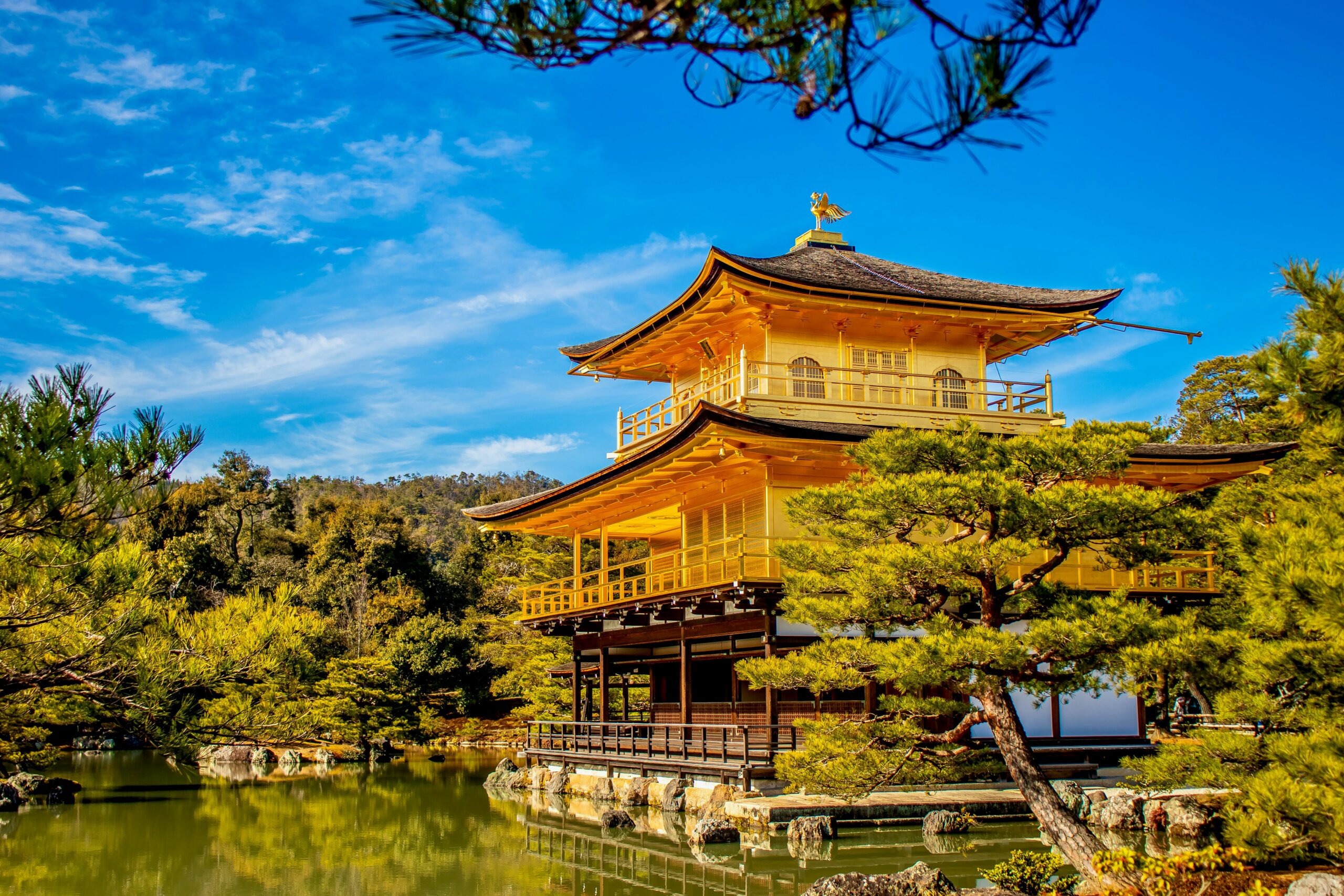
Kyoto’s northwest district is a treasure trove of cultural wonders, but Kinkaku-ji and Ryoan-ji stand out for their unique juxtaposition and accessibility. Kinkaku-ji, officially named Rokuon-ji, is famous for its top two floors being completely covered in gold leaf, shimmering majestically over a reflective pond. It’s a testament to the opulence of the Ashikaga shogunate and a stunning visual spectacle, especially under the clear spring sky.
Just a short distance away lies Ryoan-ji, home to arguably the most famous Zen rock garden in the world. Its stark simplicity – 15 rocks meticulously arranged on a bed of white gravel – offers a profound contrast to Kinkaku-ji’s grandeur. This garden encourages quiet contemplation, embodying the essence of Zen philosophy.
Visiting them in spring amplifies their allure. The gardens surrounding both temples burst into life with fresh greenery, vibrant azaleas, and, depending on the timing, a scattering of late-blooming cherry trees. The crisp spring air and often sunny days make for ideal exploring conditions, allowing you to appreciate the intricate details and vast landscapes without the summer humidity or winter chill. It’s an immersion into Japan’s rich history, art, and spirituality, offering unforgettable photo opportunities and moments of peace.
## Best Things to Do
### Kinkaku-ji (Golden Pavilion)
Upon entering Kinkaku-ji, your gaze will immediately be drawn to the Golden Pavilion, soaring above Kyōko-chi (Mirror Pond). The reflection of the gilded structure on the water’s surface, framed by ancient pines and the vibrant spring foliage, is truly iconic.
* **Marvel at the Golden Exterior:** Take your time to walk around the pond, finding different angles to admire the pavilion. The building itself is not accessible to visitors, but its exterior is the main draw.
* **Explore the Temple Grounds:** Follow the designated path through the meticulously maintained Japanese garden. You’ll pass Sekkatei Teahouse, Fudo Hall (housing a revered statue of Fudo Myo-o), and a small pond (Anmintaku) believed to bring peace.
* **Collect Your Souvenir:** Your entrance ticket is a *goshuin* (a special seal print) from the temple, making for a unique souvenir.
### Ryoan-ji (Zen Rock Garden)
Ryoan-ji offers a distinctly different, yet equally profound, experience. The main attraction is the Hojo Garden, often referred to as the “Garden of Emptiness.”
* **Contemplate the Rock Garden:** Sit on the wooden veranda of the Hojo (abbot’s residence) and gaze upon the famous rock garden. The arrangement of 15 rocks is designed so that from any vantage point, at least one rock is always hidden from view, prompting reflection on perception and completeness. There’s no single “correct” interpretation, encouraging personal contemplation.
* **Stroll Through the Pond Garden:** Beyond the rock garden, Ryoan-ji features a much larger and more traditional strolling garden centered around Kyoyochi Pond. This area bursts with spring flowers and lush greenery, providing a beautiful walk and a pleasant contrast to the starkness of the rock garden.
* **Visit the Tea House:** Towards the back of the pond garden, you’ll find a charming tea house (Koshintei) where you can enjoy a bowl of matcha tea overlooking the serene landscape.
### Connecting Kinkaku-ji and Ryoan-ji
These two temples are conveniently located about 1.5 to 2 kilometers apart, making them easy to visit together. You can enjoy a pleasant 15-20 minute walk between them, or take a short bus ride (routes 59, 101, 102, 204, 205). Walking allows you to soak in the local neighborhood atmosphere.
[IMAGE: Key attraction in Kyoto]
## Local Food & Specialties
Kyoto is renowned for its refined *Kyoto-style kaiseki* cuisine, but you don’t need a lavish budget to savor its unique flavors. The area around Kinkaku-ji and Ryoan-ji offers local eateries catering to visitors.
* **Yuba (Tofu Skin):** A Kyoto specialty, yuba is the delicate skin that forms on heated soy milk. It has a silky texture and subtle flavor, often served as sashimi with soy sauce or in hot pots. Many restaurants near temples specialize in tofu dishes.
* **Matcha (Green Tea):** Kyoto, especially Uji, is famous for its high-quality matcha. Enjoy a ceremonial bowl at a temple tea house or try matcha-flavored desserts, ice cream, and mochi from local shops.
* **Kyoto-style Tsukemono (Pickles):** Often served as a side dish, Kyoto’s vegetable pickles are varied and delicious, reflecting the city’s appreciation for seasonal ingredients.
* **Kyoto Obanzai:** A style of home cooking featuring seasonal vegetables and local ingredients, usually served in small, colorful dishes. Look for restaurants offering “Obanzai set meals.”
* **Sweets:** Don’t miss *Yatsuhashi*, a traditional confection made from glutinous rice flour, sugar, and cinnamon, often folded into triangles with red bean paste filling.
For a wider variety of dining options, consider heading back towards Kyoto Station or the bustling Karasuma/Kawaramachi areas after your temple visits.
## Recommended Hotels
When choosing accommodation in Kyoto, prioritize areas with good public transport access to both the temples and other major attractions.
1. **The Ritz-Carlton Kyoto (Luxury):** Located on the Kamogawa River, offering stunning views and impeccable service. While a splurge, it provides a tranquil retreat with easy access to major subway lines to explore the city.
2. **Hotel Gracery Kyoto Sanjo (Mid-Range):** Centrally located in the bustling Karasuma/Sanjo area, offering modern comforts and excellent access to shopping, dining, and direct bus routes to Kinkaku-ji/Ryoan-ji. A great balance of comfort and convenience.
3. **Mitsui Garden Hotel Kyoto Shinmachi Bettei (Mid-Range/Boutique):** Housed in a beautifully renovated traditional townhouse, this hotel offers a blend of modern amenities and traditional Kyoto charm. Located slightly off the main thoroughfare, it provides a peaceful atmosphere while still being walkable to subway stations.
4. **Piece Hostel Kyoto (Budget/Social):** For budget-conscious travelers or those looking to meet others, this hostel near Kyoto Station offers clean, modern dorms and private rooms, a friendly atmosphere, and excellent transport links to anywhere in the city, including direct buses to the Golden Pavilion area.
## Recommended Tours & Activities
While Kinkaku-ji and Ryoan-ji can be easily explored independently, specific tours and activities can enhance your understanding and experience.
* **Kyoto Golden Pavilion and Zen Garden Half-Day Tour:** Many tour operators offer half-day tours specifically covering Kinkaku-ji and Ryoan-ji, often including transportation and an English-speaking guide who can provide deeper insights into the history, architecture, and Zen philosophy of these sites. This is ideal for first-time visitors who prefer a structured experience.
* **Private Guided Tour:** For a more personalized experience, consider hiring a private guide. They can customize your itinerary, provide in-depth commentary, and help navigate public transport efficiently. This is particularly useful for families or those with specific interests.
* **Kyoto Tea Ceremony Experience:** While not directly at Kinkaku-ji or Ryoan-ji, combining your temple visit with a traditional tea ceremony in a nearby tea house or a dedicated tea ceremony venue in central Kyoto is highly recommended. It offers a cultural immersion into Japan’s ancient traditions and a moment of quiet reflection.
* **Walking Tour of Arashiyama (Half-Day):** Since Kinkaku-ji and Ryoan-ji are in Kyoto’s northwest, they can be combined with a trip to Arashiyama’s Bamboo Grove, Tenryu-ji Temple, and Togetsukyo Bridge. Many full-day tours include all these sites, offering a comprehensive look at Kyoto’s scenic west.
## How to Get There
Getting to Kinkaku-ji and Ryoan-ji is straightforward thanks to Kyoto’s efficient public transportation system.
### To Kyoto from Major Airports/Cities:
* **From Kansai International Airport (KIX):** The most convenient way is to take the Haruka Limited Express train directly to Kyoto Station (approx. 75-80 minutes, ~3,000-3,500 JPY).
* **From Tokyo:** Take the Tokaido Shinkansen (bullet train) from Tokyo Station to Kyoto Station (approx. 2 hours 15 minutes to 2 hours 40 minutes, ~13,000-14,000 JPY for an unreserved seat). Japan Rail Pass holders can use this route.
### To Kinkaku-ji & Ryoan-ji from Kyoto Station:
Kyoto’s bus system is the best way to reach these temples from Kyoto Station.
* **To Kinkaku-ji:**
* Take Kyoto City Bus **205** (bound for Kitaoji Bus Terminal) from Bus Stop B2 at Kyoto Station. Get off at the “Kinkakuji-michi” stop (approx. 40 minutes, 230 JPY).
* Alternatively, take bus **101** (bound for Kinkakuji-michi) from Bus Stop B2. (approx. 40 minutes, 230 JPY).
* **To Ryoan-ji:**
* From Kyoto Station, take bus **50** (bound for Ritsumeikan Daigaku-mae) from Bus Stop B2. Get off at the “Ryoanji-mae” stop (approx. 40-45 minutes, 230 JPY).
* From Kinkaku-ji: As mentioned, you can walk (15-20 min) or take bus **59** from “Kinkakuji-michi” directly to “Ryoanji-mae” (approx. 5 minutes, 230 JPY).
**Travel Tip:** Consider purchasing a Kyoto One-Day Bus Pass (700 JPY for adults) if you plan on using the bus three or more times in a day, as a single ride costs 230 JPY. You can buy these from the bus information center at Kyoto Station or directly from the bus driver.
## Travel Tips for International Visitors
Stay Connected in Japan
Get a Japan eSIM for fast, reliable mobile data.
Use code JAPANTRAVELHUB for a discount.
* **Best Time to Visit:** Mid-March to early May is ideal for spring blooms.
* **Late March – Early April:** Cherry blossom season. Expect large crowds and higher hotel prices, but the beauty is unparalleled.
* **Mid-April – Early May:** Azaleas and fresh green foliage. Still beautiful with slightly fewer crowds than peak cherry blossom week.
* **Estimated Costs:**
* **Kinkaku-ji Entrance:** 500 JPY
* **Ryoan-ji Entrance:** 600 JPY
* **Bus Fare (single ride):** 230 JPY
* **Average Meal:** 1,000 – 2,500 JPY for a casual meal; 4,000+ JPY for a mid-range dinner.
* **Hotels (per night):** Budget (hostel) 3,000-6,000 JPY; Mid-range 10,000-20,000 JPY; Luxury 30,000+ JPY.
* **Cultural Etiquette:**
* **Temple Reverence:** Speak softly, especially in quiet areas like Ryoan-ji. Do not climb on rocks or walls.
* **Photography:** Generally allowed, but be respectful and avoid flash photography inside temple buildings. Do not disturb other visitors.
* **Removing Shoes:** At Ryoan-ji (and many other temples), you will need to remove your shoes before entering the Hojo. Wear socks and shoes that are easy to slip on and off.
* **Public Transport:** Queue orderly for buses, allow passengers to exit before boarding, and avoid talking loudly on your phone.
* **Footwear:** You’ll be doing a lot of walking, especially within the sprawling temple grounds. Comfortable walking shoes are a must.
* **Crowds:** Kinkaku-ji is one of Kyoto’s most popular sites. To avoid the biggest crowds, try to visit right at opening time (9:00 AM) or later in the afternoon (after 3:00 PM). Weekdays are generally less crowded than weekends.
* **Connectivity:** Japan has excellent public Wi-Fi in many tourist areas, but a portable Wi-Fi device (pocket Wi-Fi) or a local SIM card can be invaluable for navigation and staying connected.
* **Language:** While many tourist-facing staff speak English, learning a few basic Japanese phrases (e.g., “Arigato gozaimasu” – Thank you, “Sumimasen” – Excuse me/Sorry) will be greatly appreciated. Google Translate’s camera function can also be very helpful for menus and signs.
* **Cash:** While credit cards are widely accepted in larger establishments, many smaller shops, restaurants, and temple entrance fees still prefer cash. Always carry some yen with you.
## Conclusion
A visit to Kinkaku-ji and Ryoan-ji in the full bloom of spring is more than just sightseeing; it’s an immersive journey into the heart of Japanese culture and aesthetics. From the dazzling splendor of the Golden Pavilion to the profound simplicity of the Zen rock garden, these sites offer a captivating contrast and a chance for quiet reflection amidst the vibrant energy of Kyoto. Armed with these practical tips and recommendations, you’re ready to explore these magnificent treasures, create unforgettable memories, and truly experience the magic of Kyoto in springtime. Safe travels!
Explore More About Kyoto
Find more travel tips, guides, and recommended spots in Kyoto.

コメント