
📍 Related Prefecture Guide:
Toyama Travel Guide
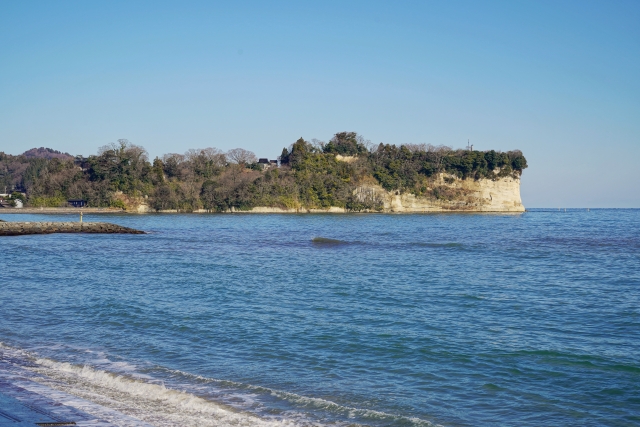
Nestled along the picturesque Toyama Bay, with the majestic Tateyama mountain range often serving as a dramatic backdrop, lies the charming Himi Bay Area. While Toyama Prefecture is increasingly gaining recognition for its natural beauty and culinary delights, Himi remains a delightful coastal secret, best explored with the freedom and flexibility of your own set of wheels. Imagine cruising along the scenic coastline, stopping whenever a fresh seafood shack or a breathtaking view beckons, and unwinding in a soothing hot spring with the sound of waves as your lullaby. This rental car itinerary is your passport to an unforgettable journey through Himi, where pristine nature, incredible gastronomy, and rejuvenating onsen converge.
## Discovering Himi Bay: Toyama’s Coastal Gem
Himi is renowned for its vibrant fishing port, one of Japan’s most productive, guaranteeing an endless supply of incredibly fresh seafood. Beyond the bounty of the sea, the area boasts captivating coastal landscapes, charming fishing villages, and a collection of restorative hot springs, many with stunning sea views. For international travelers seeking an authentic, off-the-beaten-path Japanese experience that combines culinary indulgence with natural beauty and relaxation, Himi Bay offers an enticing alternative to more crowded destinations.
### The Freedom of Four Wheels: Why a Rental Car is Essential
While Japan’s public transportation system is famously efficient, exploring the true essence of Himi Bay – from hidden scenic viewpoints to specific local eateries and tranquil onsen resorts – is significantly enhanced by having a rental car. Public bus routes exist but can be infrequent and may not reach every desired spot. A car allows you to set your own pace, linger at favorite locations, and discover unexpected gems along the winding coastal roads. It transforms your trip from a scheduled tour into a personal adventure.
## Your Journey to Himi Bay
Getting to the Toyama region is straightforward, with excellent connections from Japan’s major cities.
### Accessing Toyama
* **From Tokyo:** The Hokuriku Shinkansen offers a speedy and comfortable journey, whisking you from Tokyo Station to Toyama Station or Shin-Takaoka Station in approximately 2 to 2.5 hours.
* **From Osaka/Kyoto:** Take the Thunderbird limited express train to Kanazawa, then transfer to the Hokuriku Shinkansen for a short ride to Toyama or Shin-Takaoka. Alternatively, a direct bus service is also available.
* **By Air:** Toyama Kitokito Airport (TOY) serves domestic flights from Tokyo Haneda and Sapporo, and international flights from Seoul and Taipei, making it a convenient option for some travelers.
Upon arrival at Toyama Station or Shin-Takaoka Station, you’ll find numerous rental car agencies (Toyota Rent-a-Car, Nissan Rent-a-Car, Times Car Rental, etc.) conveniently located nearby. It’s advisable to book your rental car in advance, especially during peak seasons, and remember to secure an **International Driving Permit (IDP)** before you leave your home country – it’s mandatory in Japan!
## A 3-Day Himi Bay Coastal Adventure
This itinerary is designed to maximize your experience, blending the best of Himi’s seafood, scenery, and hot springs.
### Day 1: Arrival & The Taste of Himi
* **Morning/Early Afternoon: Arrival & Car Pickup**
Arrive at Toyama Station or Shin-Takaoka Station, pick up your pre-booked rental car, and get acquainted with Japanese driving (remember, it’s left-hand traffic!). The drive to Himi is a pleasant 45-60 minutes, offering glimpses of the bay.
* **Afternoon: Himi Banya-gai Market – A Seafood Extravaganza**
Your first stop in Himi should undeniably be the **Himi Banya-gai Market (Himi Fisherman’s Wharf)**. This bustling complex is a sensory delight, showcasing the freshest catches from Toyama Bay. Head straight to the food hall or one of the many restaurants for an unforgettable lunch. Indulge in a “kaisen-don” (seafood rice bowl) piled high with glistening sashimi, or savor freshly grilled local fish. If visiting between December and February, look out for “Himi Kanburi” (yellowtail), a highly prized seasonal delicacy. Explore the market stalls selling dried seafood, local produce, and unique souvenirs.
* **Late Afternoon: Coastal Views at Amaharashi**
After your seafood feast, take a scenic drive south along the coast to the **Amaharashi Coast**. Famous for its unique rock formations, particularly the “Onnaiwa” (woman rock) and “Otoko-iwa” (man rock), and the pine tree-clad island of Yoshitsune Rock, Amaharashi offers breathtaking views of the Tateyama mountain range across Toyama Bay. On a clear day, the snow-capped peaks rising above the sea are truly magnificent – a view unique to this part of Japan. Park your car and take a leisurely stroll along the beach, breathing in the fresh sea air.
* **Evening: Check-in & Onsen Relaxation**
Head to your accommodation in the Himi Onsenkyo area. Many traditional ryokans here boast ocean views and excellent onsen facilities. Consider staying at a ryokan like **Himi Onsenkyo Umiakari**, which offers various baths, including open-air ones, with panoramic views of Toyama Bay. Enjoy a lavish multi-course dinner (kaiseki) typically featuring an exquisite array of local seafood. Afterwards, soak in the therapeutic waters of the onsen, letting the day’s travel melt away.
### Day 2: Panoramic Views & Onsen Bliss
* **Morning: Scenic Drives & Local Exploration**
Start your day with a traditional Japanese breakfast at your ryokan. Then, embark on a scenic drive along the smaller coastal roads north of Himi Port. These winding routes offer more intimate views of fishing villages, rocky coves, and terraced rice fields overlooking the sea. You might stumble upon charming local shrines or small, quaint beaches. If time and interest allow, a visit to the **Himi City Museum** can offer insights into the area’s history, fishing culture, and local folklore.
* **Lunch: A Different Himi Flavor**
For lunch, explore a local restaurant away from the main market. Look for establishments specializing in grilled fish set meals (yakizakana teishoku) or even a local ramen joint that incorporates seafood broth. This provides a chance to taste Himi’s culinary range beyond sashimi bowls.
* **Afternoon: Deeper Onsen Immersion**
Dedicate your afternoon to further onsen indulgence. If your ryokan has private bath options, now might be the time to reserve one for a truly serene experience. Alternatively, explore a day-use onsen (higaeri onsen) in the area, such as the public baths at the **Himi Seaside Hot Spring Spa Resort**, which offers diverse facilities and often a more communal atmosphere. Let the mineral-rich waters soothe your muscles and rejuvenate your spirit.
* **Late Afternoon: Sunset Spectacle**
As the day draws to a close, find a scenic viewpoint along the coast – perhaps return to Amaharashi or discover a new spot – to witness the magical Himi sunset. The sun dipping below the horizon, casting a golden glow over Toyama Bay, is a spectacle not to be missed.
* **Evening: A Final Seafood Farewell**
Enjoy another delightful dinner. If you dined at your ryokan last night, consider trying a local izakaya or restaurant tonight to sample different dishes and soak in the local atmosphere. Many places offer fresh sushi, tempura, or regional sake pairings.
### Day 3: Last Bites & Homeward Bound
* **Morning: Last-Minute Delights & Souvenirs**
Savor a final Himi breakfast. If you missed anything at Himi Banya-gai or wish to pick up more souvenirs, make a quick return visit. You might find unique regional snacks, craft items, or even frozen Himi seafood (if your travel plans permit carrying it). Consider buying some local Himi Udon noodles or locally produced sake.
* **Late Morning: Optional Detour**
Depending on your departure schedule, you might have time for a brief detour before heading back to the station.
* **Takaoka City:** Just a short drive from Himi, Takaoka offers the magnificent **Takaoka Daibutsu** (Great Buddha), considered one of Japan’s three great Buddhas. For fans of Japanese animation, Takaoka is also the hometown of Fujiko F. Fujio, creator of Doraemon, with various Doraemon-themed spots around the city.
* **Toyama City:** If you’re departing from Toyama Station, explore the modern **Toyama Glass Art Museum** or relax at **Fugan Unga Kansui Park**, home to the famous “most beautiful Starbucks in the world.”
* **Lunch: Final Toyama Flavors**
Enjoy a last meal, either in Himi, Takaoka, or Toyama city, before returning your rental car.
* **Afternoon: Departure**
Return your rental car at Toyama Station or Shin-Takaoka Station, and catch your Shinkansen or flight for your onward journey, carrying with you memories of Himi’s fresh seafood, stunning coasts, and soothing onsen.
## Essential Tips for Your Himi Bay Adventure
To ensure a smooth and enjoyable trip, keep these practical tips in mind:
* **Driving in Japan:**
* **International Driving Permit (IDP):** Absolutely essential. Obtain it in your home country before you travel.
* **Left-Hand Driving:** Japan drives on the left side of the road. Take some time to get comfortable.
* **GPS:** Rental cars often come with GPS systems that can be set to English. Inputting phone numbers or map codes (available for many attractions) is often easier than addresses.
* **Tolls:** Many highways in Japan are tolled. Consider renting an ETC card with your car for automatic toll payment, or be prepared to pay cash at toll booths.
* **Parking:** Look for designated parking areas, especially at tourist spots and markets. Expect to pay for parking in some locations.
* **Best Time to Visit:**
* **Spring (March-May):** Pleasant weather, cherry blossoms (early April) and fresh seafood.
* **Summer (June-August):** Warmer, good for coastal activities, but can be humid. Sea swimming is possible.
* **Autumn (September-November):** Crisp air, beautiful foliage in the mountains, and excellent seafood.
* **Winter (December-February):** Cold and potentially snowy, but this is the season for the famous Himi Kanburi (yellowtail), making it a culinary pilgrimage for seafood enthusiasts.
* **Language:** While English might be limited in smaller establishments, many tourist information centers and larger hotels will have English-speaking staff. Have Google Translate or a similar app ready, and learn a few basic Japanese phrases (e.g., *konnichiwa* for hello, *arigato gozaimasu* for thank you).
* **Cash vs. Card:** Major hotels and larger stores accept credit cards, but smaller local restaurants, shops, and some onsen might be cash-only. Always carry a sufficient amount of Japanese Yen.
* **Onsen Etiquette:**
* Always thoroughly wash and rinse your body before entering the bath.
* Swimwear is generally not allowed; you bathe nude.
* Tattoos can sometimes be an issue in public baths. If you have tattoos, consider booking a ryokan with private (kashikiri) onsen options, or be prepared to discreetly cover them if permitted.
* Do not put your towel in the bathwater.
## Embrace the Unforgettable Charm of Himi Bay
The Himi Bay Area, with its intoxicating blend of gastronomic delights, stunning coastal scenery, and therapeutic hot springs, offers a truly unique and enriching travel experience in Japan. With a rental car as your companion, you’ll uncover hidden gems, savor the freshest seafood, and create lasting memories of Toyama’s breathtaking Hokuriku coastline. Prepare to be charmed by Himi’s authentic appeal and discover a side of Japan that few travelers get to experience.
Recommended Travel Deals


コメント