
📍 Related Prefecture Guide:
Kochi Travel Guide
As spring breathes new life into Japan, a delicate transformation sweeps across the nation, painting landscapes in ethereal shades of pink and white. While iconic destinations like Kyoto and Tokyo draw immense crowds, the island of Shikoku harbors a quieter, yet equally enchanting cherry blossom experience. In Kochi Prefecture, nestled on Shikoku’s Pacific coast, spring unfolds with a unique blend of historical grandeur, spiritual serenity, and vibrant local culture, all set against a breathtaking backdrop of sakura.
This article invites you on a journey to discover Kochi’s cherry blossom magic, focusing on the historical Kochi Castle and the tranquil Chikurin-ji Temple, along with practical tips and delightful boutique hotel recommendations for the international traveler seeking an authentic and unforgettable Japanese spring.
## Kochi Castle: A Historical Canvas in Pink
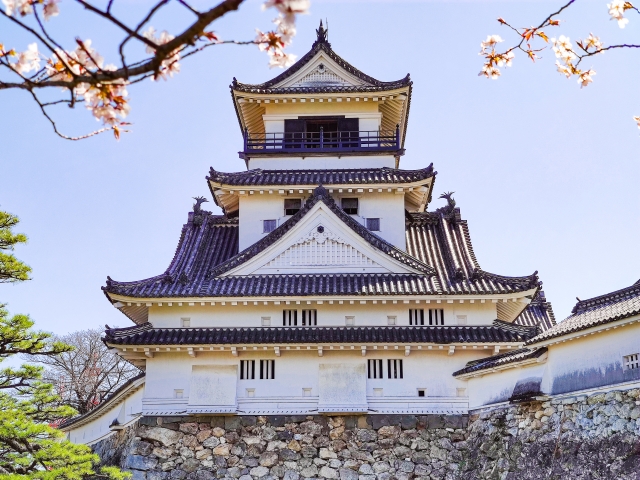
Kochi Castle stands proudly as one of Japan’s twelve original castles, spared from the fires and conflicts that destroyed so many others. Its elegant white walls and multi-tiered pagoda-style keep are impressive at any time of year, but come spring, the castle grounds transform into a spectacular sea of cherry blossoms, making it the city’s premier sakura viewing spot.
### Climbing to History, Bathed in Sakura
Unlike many castles, Kochi Castle allows visitors to ascend its original keep, offering a fascinating glimpse into samurai-era architecture and breathtaking panoramic views from the top. As you walk through the castle park, surrounded by hundreds of blooming cherry trees, the air hums with a gentle festive atmosphere. The path up to the main keep, lined with sakura, feels like a walk through a tunnel of blossoms, each step leading you deeper into history and beauty. From the topmost floor, gaze out over Kochi city, a verdant expanse punctuated by the silver ribbon of the Kagami River, all framed by the soft, pillowy clouds of cherry blossoms.
### Sakura Spectacles Around the Castle
The expansive Kochi Park, which cradles the castle, becomes a hub of activity during the sakura season. Locals and visitors alike gather under the sprawling branches of *somei yoshino* and *yaezakura* trees for picnics (known as *hanami*), enjoying bento boxes, sake, and lively conversation. As dusk descends, the magic continues with evening illuminations, or *Yozakura*. The castle and its surrounding trees are bathed in soft light, creating a dramatically beautiful and romantic scene that feels distinctly Japanese. Don’t miss the opportunity to stroll through the lit-up grounds – it’s a truly captivating experience.
* **Practical Tip:** The cherry blossoms at Kochi Castle typically peak from late March to early April. Check local forecasts a few weeks prior to your visit for the most accurate blooming predictions.
## Chikurin-ji Temple: Serenity Amidst the Blossoms
Just a short distance from the bustling city center, perched on Mount Godai, lies Chikurin-ji Temple (竹林寺). This ancient temple, number 31 on the 88-temple Shikoku Pilgrimage, offers a serene escape and another breathtaking cherry blossom experience, albeit with a more spiritual and contemplative air.
### A Spiritual Journey to Temple No. 31
Chikurin-ji is renowned for its beautiful gardens, traditional architecture, and its connection to the esteemed Buddhist monk Kūkai (Kobo Daishi). As you approach the temple, the path winds through a canopy of trees, many of them cherry, creating a tranquil passage. The main gate, the vibrant red pagoda, and various temple halls are masterpieces of Buddhist design, each enhanced by the soft pink hues of the surrounding blossoms. This temple also houses a treasure house with important cultural artifacts and a serene moss garden, inviting quiet reflection.
### Zen Gardens and Blooming Beauty
The temple grounds are meticulously maintained, featuring several beautiful gardens, including a prominent traditional Japanese garden designed by the renowned landscape architect Muso Soseki. During spring, the delicate cherry blossoms mingle with the vibrant green of the moss and the sturdy elegance of pine trees, creating a stunning tableau. The five-story pagoda, standing tall amidst the blossoms, offers a picturesque photo opportunity that captures the essence of Japanese spring and spirituality. Take your time to wander, breathe in the fragrant air, and absorb the peaceful ambiance.
* **Practical Tip:** From Kochi Castle or the city center, Chikurin-ji Temple is easily accessible by bus. Take a local bus heading towards Godaisan (五台山) from Kochi Station or Harimaya Bridge. The ride is short and scenic.
## Beyond the Blossoms: Kochi’s Spring Charms
While cherry blossoms are undoubtedly a highlight, Kochi offers a wealth of other attractions that promise to enrich your spring visit.
### Hirome Market: A Taste of Kochi
No trip to Kochi is complete without a visit to Hirome Market (ひろめ市場). This lively, indoor food hall is a sensory delight, bursting with the aromas and sounds of local life. Here, you can sample Kochi’s most famous dish, *katsuo no tataki* (seared bonito), prepared right before your eyes over straw fires. Pair it with local sake and soak in the convivial atmosphere shared by locals and travelers seated at communal tables. It’s a perfect place to refuel after a morning of sightseeing.
### Sunday Market: A Centuries-Old Tradition
If your visit falls on a Sunday, make sure to experience Kochi’s Sunday Market (日曜市). Stretching for over a kilometer along Otesuji Street (leading up to Kochi Castle), this open-air market has been running for over 300 years. You’ll find an incredible array of fresh local produce, seafood, flowers, crafts, and unique souvenirs. It’s a fantastic opportunity to interact with local vendors and discover the authentic flavors and crafts of Kochi.
### Katsurahama Beach: Coastal Beauty
For a change of scenery, head to Katsurahama Beach (桂浜). While not suitable for swimming, this crescent-shaped beach is famous for its picturesque views, dramatic rock formations, and the iconic statue of Sakamoto Ryoma, a revered historical figure from Kochi. The coastal park offers lovely walking paths and the Sakamoto Ryoma Memorial Museum for those interested in his legacy.
## Planning Your Kochi Cherry Blossom Escape
To make the most of your cherry blossom adventure in Kochi, here’s some essential planning information.
### When to Visit
The cherry blossom season in Kochi typically runs from **late March to early April**. The exact timing varies each year depending on weather conditions. It’s advisable to monitor cherry blossom forecasts (available online from February/March) for the most accurate predictions closer to your travel dates. Weekdays generally see fewer crowds than weekends.
### Getting There
Kochi is well-connected and surprisingly accessible.
* **By Air:** Kochi Ryoma Airport (KCZ) has direct flights from major Japanese cities like Tokyo (Haneda) and Osaka (Itami). From the airport, an airport bus can take you directly to Kochi Station or Harimaya Bridge in the city center.
* **By Train:** JR trains offer a scenic journey to Kochi. From Tokyo or Osaka, take the Shinkansen (bullet train) to Okayama, then transfer to the JR Dosan Line limited express train to Kochi. The journey from Okayama to Kochi takes approximately 2.5 hours and is covered by the Japan Rail Pass.
### Getting Around Kochi
Kochi’s city center is compact and walkable.
* **Trams:** The retro “Tosaden” tram system is a charming and efficient way to navigate the main sights within the city, including Kochi Station, Harimaya Bridge, and the area near Kochi Castle.
* **Buses:** Local buses serve areas further afield, such as Chikurin-ji Temple and Katsurahama Beach.
* **Walking:** Many of the central attractions are within easy walking distance of each other.
* **Rental Car:** For exploring beyond the city and discovering Shikoku’s natural beauty, renting a car offers flexibility.
### Boutique Hotel Retreats Nearby
Kochi offers a range of accommodations, but for a truly immersive and comfortable experience, consider these options that blend local charm with modern amenities.
* **Sansuien (三翠園):** This exquisite *ryokan* (traditional Japanese inn) is a prime example of boutique luxury in Kochi. Located near Kochi Castle, Sansuien boasts beautiful traditional Japanese gardens, spacious rooms (many with private open-air baths), and an excellent on-site *onsen* (hot spring) bath. It offers a taste of traditional Japanese hospitality with elegant dining experiences featuring local Kochi cuisine. It’s the perfect place to unwind after a day of exploration.
* **Jyoseikan (城西館):** Another highly-regarded traditional ryokan with a long history, Jyoseikan offers a similar luxurious ryokan experience with excellent service, beautiful Japanese aesthetics, and relaxing hot spring baths. It provides a deeper dive into Japanese culture and hospitality.
* **The Crown Palais Kochi:** For those preferring a more contemporary hotel experience with modern comforts, The Crown Palais Kochi offers well-appointed rooms, many with city views, and convenient access to Kochi Castle and other attractions. While a larger hotel, its service and amenities make for a very comfortable stay.
## Essential Travel Tips for International Visitors
To ensure a smooth and enjoyable trip, keep these tips in mind:
* **Connectivity:** Rent a portable Wi-Fi device or purchase a local SIM card upon arrival for easy navigation and communication. Free Wi-Fi is available in many hotels, cafes, and public spots.
* **Language:** While English is spoken in some tourist-heavy areas, learning a few basic Japanese phrases (hello, thank you, excuse me) will go a long way. Translation apps are highly recommended.
* **Cash vs. Card:** Japan is still a cash-heavy society. While major hotels and department stores accept credit cards, smaller shops, restaurants, and many market stalls may only take cash. ATMs are widely available at convenience stores (7-Eleven, Lawson, FamilyMart) and post offices.
* **Etiquette:** Japanese culture values politeness and respect. Be mindful of quietude in temples, remove your shoes when entering homes or specific areas of ryokans, and use polite language.
* **Comfortable Shoes:** You’ll be doing a lot of walking, especially at the castle and temple grounds, which can involve stairs and uneven paths. Comfortable footwear is essential.
## Embrace the Kochi Spring
Kochi during cherry blossom season offers a truly magical experience, blending the spectacle of nature with rich history and vibrant local culture. From the grandeur of Kochi Castle bathed in pink to the serene beauty of Chikurin-ji Temple, and the culinary delights of Hirome Market, this hidden gem on Shikoku invites you to discover a different, more intimate side of Japan’s beloved spring. Prepare to be enchanted by Kochi’s cherry blossom magic – a journey you’ll cherish long after the last petal has fallen.


コメント