
📍 Related Prefecture Guide:
Kagoshima Travel Guide
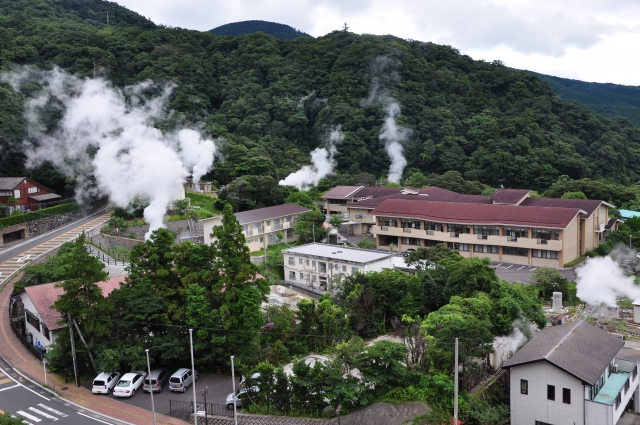
Imagine a winter escape where the crisp air invigorates your senses, and the warmth of natural hot springs melts away every trace of stress. Welcome to Kagoshima, a prefecture on Japan’s southernmost Kyushu island, renowned for its dramatic volcanic landscapes, unique onsen culture, and exceptional culinary delights. For first-time international travelers seeking a truly rejuvenating experience, a luxury onsen ryokan stay in the Kirishima and Ibusuki regions offers an unparalleled winter wellness retreat.
This guide will take you through everything you need to know to plan an unforgettable journey into the heart of Kagoshima’s volcanic embrace, focusing on the serene indulgence of its traditional inns.
## Introduction
Kagoshima Prefecture, often called the “Naples of the East” due to its iconic, active volcano Sakurajima, is a treasure trove of natural wonders. While it boasts a relatively mild climate even in winter, the cooler months (December to February) transform it into an idyllic destination for experiencing Japan’s famed onsen (hot spring) culture.
Our focus for ultimate winter wellness lies in two distinct yet equally captivating areas: **Kirishima**, with its mountainous landscapes and diverse spring qualities, and **Ibusuki**, famous worldwide for its unique natural sand baths. Combining stays in both regions, nestled in luxurious ryokans (traditional Japanese inns), promises a holistic journey of relaxation, cultural immersion, and gourmet pleasure.
## Why Visit This Area
Visiting Kirishima and Ibusuki in Kagoshima offers a multi-faceted appeal, especially during winter:
* **Diverse Onsen Experiences:** From Kirishima’s mineral-rich, often sulfurous springs bubbling amidst misty mountains to Ibusuki’s therapeutic hot sand baths (suna-mushi onsen) on the coast, the variety is astonishing. Each offers unique health benefits, from improving circulation to soothing muscles and detoxifying the skin.
* **Stunning Natural Beauty:** Kirishima-Kinkowan National Park offers dramatic volcanic peaks, crater lakes, and ancient forests, perfect for gentle exploration. Ibusuki boasts scenic coastlines with panoramic views of Kinko Bay and Sakurajima, along with tranquil lakes.
* **Authentic Japanese Culture:** Staying in a luxury ryokan provides an immersive cultural experience, from sleeping on futons in tatami rooms to enjoying elaborate multi-course kaiseki dinners and understanding traditional Japanese hospitality (omotenashi).
* **Mild Winter Climate:** Unlike northern Japan, Kagoshima enjoys relatively mild winters, making outdoor activities more pleasant while still offering that wonderful contrast between cool air and warm onsen water.
* **Gourmet Delights:** Kagoshima is famous for its distinct local cuisine, particularly its succulent *Kurobuta* pork, fresh seafood, and unique local vegetables and fruits.
## Best Things to Do
Your wellness journey will be punctuated by unique activities and sights that complement your onsen relaxation.
### Kirishima Highlights
* **Kirishima Onsenkyo (Kirishima Hot Spring Village):** This collection of hot spring resorts boasts a variety of water types, including sulfur, iron, and carbonated springs. Spend your days hopping between different onsen, experiencing their unique therapeutic qualities. Many luxury ryokans here offer private open-air baths (rotenburo) with breathtaking mountain views.
* **Kirishima Jingu Shrine:** A majestic shrine nestled deep within a cedar forest, Kirishima Jingu is a powerful spiritual spot with a history spanning over 1,000 years. Its vibrant vermilion hues stand out beautifully against the winter greenery.
* **Ebino Kogen:** While some hiking trails might be challenging in deep winter, Ebino Kogen offers accessible walking paths around picturesque crater lakes like Lake Fudo and Lake Rokkannonmiike, surrounded by frosty natural beauty.
* **Maruoka Park:** Home to a cherry blossom festival in spring, in winter it offers panoramic views of Kirishima’s mountains and, on clear days, even Sakurajima.
### Ibusuki Highlights
* **Suna-mushi Onsen (Sand Bath):** This is Ibusuki’s iconic experience. Don a yukata, lie down on the beach, and have staff bury you up to your neck in naturally heated volcanic sand. The warmth and pressure provide a unique detoxifying and muscle-relaxing effect. Don’t worry, it’s completely hygienic and incredibly therapeutic!
* **Lake Ikeda:** Kagoshima’s largest lake, shrouded in mystery as the legendary home of “Isshii,” a Japanese lake monster. It’s also known for its stunning rapeseeds blooming in winter, creating vibrant yellow fields contrasting with the blue lake.
* **Cape Nagasakibana:** The southernmost tip of Satsuma Peninsula, offering stunning ocean views, a picturesque lighthouse, and a shrine dedicated to Ryugu-jinja, the Dragon God of the Sea. It’s a fantastic spot for photography and to feel the refreshing sea breeze.
### Kagoshima City (Gateway & Day Trip)
* **Sakurajima:** Take a short ferry ride (approx. 15 minutes) from Kagoshima Port to this active volcano. Visit the Arimura Lava Observatory for dramatic views of the volcano and Kinko Bay. The foot spa at Nagisa Park is a perfect way to relax with a view.
* **Sengan-en Garden:** A magnificent traditional Japanese garden with a historic residence, dating back to the Shimazu clan (who ruled Kagoshima for centuries). It offers stunning views of Sakurajima and Kinko Bay, integrating them into its “borrowed scenery.” Don’t miss the local kiriko glass workshop.
* **Tenmonkan:** Kagoshima City’s bustling shopping and entertainment district, perfect for sampling local foods, souvenir shopping, or enjoying a casual evening stroll.

*(Image for illustrative purposes: Sakurajima Volcano and Kinko Bay, a key attraction in Kagoshima)*
## Local Food & Specialties
Kagoshima’s cuisine is hearty, flavorful, and deeply rooted in its agricultural and maritime heritage. Dining at a luxury ryokan typically includes a multi-course *kaiseki* dinner, showcasing the best seasonal ingredients and local specialties.
* **Kurobuta Pork:** Kagoshima’s black pork is renowned for its tenderness, rich flavor, and melt-in-your-mouth texture. Enjoy it as *shabu-shabu* (hot pot), *tonkatsu* (fried cutlet), or in various other preparations.
* **Satsuma-age:** These deep-fried fish cakes are a regional delicacy, made from local fish and often mixed with vegetables. They make a fantastic snack or side dish.
* **Shochu:** Kagoshima is the largest producer of shochu, a distilled spirit, with a vast array of flavors and styles, particularly sweet potato (imo) shochu. Many ryokans will have extensive selections.
* **Kurozu (Black Vinegar):** Produced using traditional methods in Fukuyama, Kagoshima, this artisanal black vinegar is known for its health benefits and unique flavor. You’ll find it in dressings, drinks, and even desserts.
* **Kibinago:** Small, shimmering herring-like fish, often eaten as sashimi with ginger soy sauce.
* **Local Produce:** Expect fresh seafood from Kinko Bay, sweet potatoes, and a variety of citrus fruits.
## Recommended Hotels
For a truly luxurious and rejuvenating experience, here are 3-5 recommended onsen ryokans in Kirishima and Ibusuki:
### Kirishima Region
1. **Wasureno-Sato Gajoen (忘れの里 雅叙苑):**
* **Description:** An award-winning, rustic-chic ryokan where each villa is a detached, traditional-style cottage, many with private open-air onsen. Emphasizes natural beauty and serenity. Meals feature locally sourced ingredients, some from their own farm.
* **Unique Feature:** “Wild” onsen, some shared baths are open to the sky and blend seamlessly with nature. Exceptional privacy.
* **Estimated Cost:** ¥50,000 – ¥100,000+ per person per night (includes dinner & breakfast).
2. **Kirishima Kokusai Hotel (霧島国際ホテル):**
* **Description:** A larger, more established hotel with fantastic views of Sakurajima and Kinko Bay from its public baths. Offers both traditional Japanese rooms and Western-style options. Excellent for those wanting extensive public bath facilities.
* **Unique Feature:** Offers various baths including mud baths, steam baths, and waterfalls, all fed by different spring sources.
* **Estimated Cost:** ¥25,000 – ¥50,000 per person per night (includes dinner & breakfast).
### Ibusuki Region
3. **Ibusuki Hakusuikan (指宿白水館):**
* **Description:** A grand, traditional ryokan renowned for its stunning Satsu-ma cultural museum within the premises and its incredible public baths. Features an indoor sand bath facility.
* **Unique Feature:** “Genroku Fukuro” bathhouse, replicating an Edo-period bathhouse with multiple baths of different styles. Direct access to the Suna-mushi Onsen on the beach.
* **Estimated Cost:** ¥30,000 – ¥70,000 per person per night (includes dinner & breakfast).
4. **Ibusuki Seaside Hotel (指宿シーサイドホテル):**
* **Description:** A comfortable hotel with a beautiful beachfront location, offering easy access to the sand baths. Many rooms have ocean views. A good balance of comfort and value for the Ibusuki experience.
* **Unique Feature:** Has its own sand bath facility on site and direct access to the beach. Great for families.
* **Estimated Cost:** ¥20,000 – ¥40,000 per person per night (includes dinner & breakfast).
## Recommended Tours & Activities
While much of the wellness journey is self-guided relaxation, certain tours can enhance your experience:
* **Private Chartered Car & Driver:** For maximum convenience, especially between Kirishima and Ibusuki or for accessing remote ryokans and sights, a private car with an English-speaking driver can be invaluable. This allows for flexible scheduling and easy navigation.
* **Guided Hiking in Kirishima (Seasonal):** If visiting during milder winter days, a local guide can lead you through accessible trails, sharing insights into the volcanic landscape and local flora/fauna.
* **Kagoshima Shochu Distillery Tour:** Learn about the production of Kagoshima’s famous shochu. Many distilleries offer tours and tastings (e.g., Hombo Shuzo in Minamisatsuma, accessible from Ibusuki).
* **Traditional Craft Workshops:** Some ryokans or local cultural centers might offer workshops like *satsuma-yaki* pottery painting or *kiriko* glass cutting (especially in Kagoshima City).
## How to Get There
Kagoshima Prefecture is well-connected and relatively easy to access.
### From Major Japanese Cities (Tokyo/Osaka)
* **By Air:** The fastest way. Fly from Tokyo (Haneda or Narita) or Osaka (Itami or Kansai) to **Kagoshima Airport (KOJ)**. Flight time is approximately 1 hour 45 minutes to 2 hours from Tokyo, and 1 hour 15 minutes from Osaka. Major airlines like JAL and ANA operate frequent flights, as do low-cost carriers (LCCs) like Peach and Jetstar.
* **Estimated Cost:** Flights range from ¥8,000 – ¥30,000+ depending on booking time and airline.
* **By Shinkansen (Bullet Train):** Take the Kyushu Shinkansen to **Kagoshima-Chuo Station**.
* From Tokyo Station: Approximately 7 hours via transfer in Shin-Osaka/Hakata.
* From Osaka (Shin-Osaka Station): Approximately 4 hours.
* From Fukuoka (Hakata Station): Approximately 1 hour 15 minutes.
* **Estimated Cost:** Tokyo-Kagoshima ~¥28,000, Osaka-Kagoshima ~¥22,000 (one-way). The Japan Rail Pass is valid for this route.
### From Kagoshima Airport (KOJ)
* **To Kirishima Onsenkyo:**
* **Bus:** Direct airport buses connect to various stops within Kirishima Onsenkyo. Travel time is approximately 30-50 minutes, depending on your specific stop.
* **Taxi/Rental Car:** Taxis are available, or pick up a rental car at the airport for more flexibility.
* **To Kagoshima-Chuo Station:**
* **Bus:** Airport buses operate frequently between KOJ and Kagoshima-Chuo Station (approx. 40 minutes).
### From Kagoshima-Chuo Station
* **To Kirishima Onsenkyo:**
* **JR Train & Bus:** Take the JR Nippo Main Line to Kirishima-Jingu Station (approx. 50-60 minutes). From there, local buses or taxis will take you to your ryokan (additional 20-30 minutes).
* **Rental Car:** Highly recommended for exploring Kirishima’s scattered attractions.
* **To Ibusuki:**
* **JR Train:** Take the scenic JR Ibusuki Makurazaki Line directly to Ibusuki Station (approx. 50 minutes to 1 hour 15 minutes, depending on the train, including the special “Ibusuki no Tamatebako” sightseeing train).
* **Rental Car:** A good option for exploring sights around Ibusuki and accessing more remote onsen.
**Travel Times & Best Seasons:**
* **Best Season:** Winter (December to February) is ideal for onsen and avoiding peak tourist crowds, offering a magical atmosphere with cooler air complementing the hot springs. Early spring (March-April) and late autumn (October-November) are also pleasant for combining onsen with outdoor activities.
* **Internal Travel:** Factor in 1-2 hours travel time between Kirishima and Ibusuki/Kagoshima City using public transport, or less with a rental car.
## Travel Tips for International Visitors
Stay Connected in Japan
Get a Japan eSIM for fast, reliable mobile data.
Use code JAPANTRAVELHUB for a discount.
* **Onsen Etiquette:**
* Always wash thoroughly before entering the bath.
* No swimwear allowed in traditional communal onsen (private baths are an exception).
* Tattoos are often restricted or require covering in public baths. Check with your ryokan in advance; many luxury ryokans with private baths are tattoo-friendly.
* Be mindful of noise levels; onsen are places of quiet relaxation.
* **Ryokan Etiquette:**
* Remove your shoes at the entrance and in your room.
* Wear the provided *yukata* (cotton kimono) and *geta* (wooden sandals) around the ryokan.
* Dinner is typically served early (between 6 PM and 7 PM). Be punctual for your meal.
* **Language:** While major hotels and tourist spots might have some English speakers, learning a few basic Japanese phrases or using a translation app will be very helpful, especially in more rural areas.
* **Booking in Advance:** Luxury ryokans, especially those with private onsen, book up quickly, particularly during peak seasons and holidays. Book several months ahead to secure your desired dates.
* **Cash vs. Card:** While major establishments accept credit cards, it’s wise to carry some cash for smaller shops, local eateries, or bus fares.
* **JR Pass:** If you plan extensive train travel throughout Japan, a Japan Rail Pass might be cost-effective. Check if your itinerary justifies the cost.
* **Winter Packing:** While Kagoshima winters are mild, pack layers. Include warm clothing for evenings, good walking shoes, and essentials for the onsen (e.g., a small towel for carrying to the bath).
## Conclusion
A winter wellness escape to Kirishima and Ibusuki in Kagoshima offers more than just a vacation; it’s a journey into profound relaxation and cultural discovery. From the unique volcanic sand baths of Ibusuki to the therapeutic mountain springs of Kirishima, complemented by exquisite local cuisine and the serene hospitality of luxury ryokans, you’ll find rejuvenation for both body and soul.
Prepare to immerse yourself in the warmth of Japan’s southernmost treasures. Your ultimate winter wellness adventure in Kagoshima awaits, promising a deeply enriching experience you’ll cherish long after the last steam from the onsen has faded. Start planning your luxurious escape today!
Explore More About Kagoshima
Find more travel tips, guides, and recommended spots in Kagoshima.

コメント