
📍 Related Prefecture Guide:
Shimane Travel Guide
## Introduction
Nestled along the picturesque coast of the Sea of Japan, Shimane Prefecture remains one of Japan’s most captivating yet often overlooked destinations. Far from the bustling metropolises, Shimane offers an authentic slice of Japanese culture, breathtaking natural beauty, and a laid-back charm perfect for family adventures. This article dives into the coastal wonders of Shimane, specifically highlighting the vibrant **Shimane Aquas Aquarium** and the pristine **summer beaches of Hamada**, offering first-time international travelers a comprehensive guide to an unforgettable family vacation. Prepare to discover a Japan where ancient myths meet sun-kissed shores, and where every turn reveals a new delight for travelers of all ages.
## Why Visit This Area
Shimane Prefecture, part of the Chugoku region, is a true hidden gem for those seeking an enriching travel experience beyond the usual tourist trails. Its appeal lies in a unique blend of ancient mythology, serene landscapes, and a genuine warmth from its local communities. For families, Shimane provides a refreshing escape where children can connect with nature, history, and captivating marine life.
The coastal city of Hamada, in particular, stands out as a family-friendly hub. It offers a relaxed pace of life, stunning stretches of coastline perfect for summer relaxation, and convenient access to the region’s premier marine attraction. Visiting Shimane allows you to experience a more authentic, less crowded side of Japan, fostering deeper connections with its culture and people. Here, you’ll find pristine beaches, delicious seafood, and a chance to witness traditional performing arts, all without the overwhelming crowds found in more popular destinations. It’s an ideal choice for those who appreciate natural beauty, cultural immersion, and creating lasting family memories in a tranquil setting.
## Best Things to Do
### Shimane Aquas Aquarium
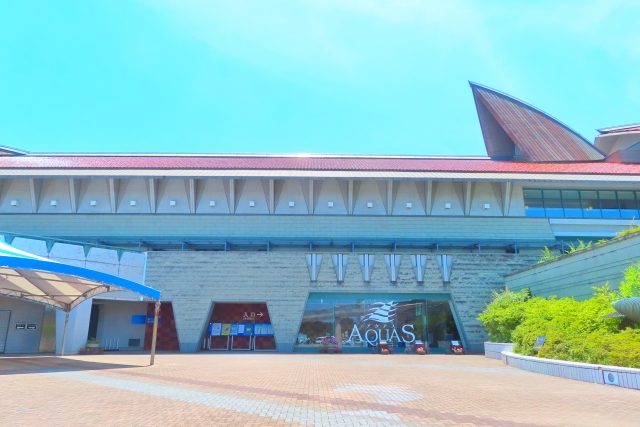
The undisputed star attraction on Shimane’s coast for families is the **Shimane Aquas Aquarium (島根県立しまね海洋館アクアス)**. Located just north of Hamada city, this state-of-the-art aquarium is home to an incredible array of marine life, from vibrant tropical fish to majestic sharks.
* **Signature Attraction:** The highlight for many visitors, especially children, is undoubtedly the **Beluga Whale Performance**. Witnessing these intelligent, charismatic creatures perform their famous “bubble ring” trick, where they exhale air to create perfect rings, is a truly magical experience. The Beluga show schedule is typically posted at the entrance and online; ensure you check it upon arrival to plan your visit.
* **Exhibits:** Beyond the Belugas, Aquas features several impressive exhibits, including a tunnel aquarium offering panoramic views of sharks and rays, and a captivating section dedicated to the marine life of the Sea of Japan. There are also interactive exhibits designed to educate and entertain younger visitors.
* **Practical Information:**
* **Location:** 1119-1 Asari-cho, Hamada, Shimane Prefecture.
* **Estimated Cost:** Adult: ¥1,550; High School Student: ¥1,030; Elementary/Junior High Student: ¥510; Children under 6: Free.
* **Travel Time:** Approximately 15-20 minutes by bus or car from Hamada Station.
* **Best For:** Families with children of all ages. Allow at least 2-3 hours for a comfortable visit.
### Hamada’s Best Summer Beaches
Hamada boasts some of Shimane’s most beautiful and accessible beaches, making it a prime destination for summer fun. The swimming season typically runs from early July to early September, with lifeguards and facilities available during peak times.
* **Kokufu Beach (国府海水浴場):** One of Hamada’s most popular beaches, Kokufu Beach is known for its wide sandy expanse and clear waters. It’s a fantastic spot for swimming, sunbathing, and even has areas popular with local surfers. Facilities often include showers, changing rooms, and sometimes snack stalls during the summer. It’s easily accessible and perfect for a full day of family relaxation.
* **Asari Beach (浅利海水浴場):** Located closer to Aquas Aquarium, Asari Beach offers calmer waters, making it an excellent choice for families with smaller children. The gentle slope into the sea and generally milder waves provide a safer swimming environment. It’s often less crowded than Kokufu, offering a more peaceful beach experience.
* **Ohama Beach (大浜海水浴場):** Another beautiful sandy beach in the Hamada area, Ohama is well-regarded for its clean environment and family-friendly atmosphere. It’s a great spot for picnicking and enjoying the coastal scenery.
* **Best Season:** July to early September is ideal for swimming and beach activities, when the water is warm and facilities are fully operational.
* **Activities:** Swimming, sunbathing, building sandcastles, beach volleyball, picnicking, and simply enjoying the scenic views of the Sea of Japan.
* **Estimated Costs:** Most beaches are free to access. Parking fees may apply at some locations (around ¥500-1,000 per day).
[IMAGE: Beluga Whale performing bubble rings at Shimane Aquas Aquarium or a panoramic shot of Kokufu Beach.]
### Immerse in Iwami Kagura
While not directly aquatic, experiencing **Iwami Kagura (石見神楽)** is a cultural highlight not to be missed in Shimane, especially in the Iwami region where Hamada is located. This traditional Shinto theatrical dance involves vibrant costumes, intricate masks, and powerful music, depicting mythical tales of gods and demons.
* **Where to See It:** Performances are often held at local shrines during festivals, at cultural centers, or sometimes even at special evening events within hotels or designated venues. Some limited performances might even occur at Aquas Aquarium during specific holiday seasons. The best way to find a performance is to check with the Hamada Tourist Information Center upon arrival or search for local event schedules online.
* **Experience:** The energy and spectacle are captivating, providing a fascinating glimpse into Japan’s ancient folklore and performing arts. It’s an immersive experience that appeals to all ages.
* **Estimated Cost:** Performance tickets can range from free (at shrine festivals) to ¥1,000-3,000 for dedicated shows.
* **Travel Time:** Varies greatly depending on the venue.
### Other Local Gems
* **Roadside Station Yuhi Park Hamada (道の駅 ゆうひパーク浜田):** Perched on a hill with panoramic views of the Sea of Japan, this roadside station is perfect for a scenic stop. You can enjoy local food, purchase Shimane souvenirs, and watch breathtaking sunsets.
* **Hamada Children’s Museum of Art (浜田市世界こども美術館):** A wonderful option for a rainy day or for children interested in hands-on art activities, with various exhibitions and workshops.
## Local Food & Specialties
Shimane’s coastal location means fresh, delectable seafood is a cornerstone of its cuisine. Hamada, in particular, is renowned for its ocean bounty.
* **Nodoguro (Blackthroat Seaperch):** Often called the “ruby of the sea,” Nodoguro is a premium white fish prized for its rich, fatty texture and exquisite flavor. It’s delicious grilled with salt (shioyaki), as sashimi, or in sushi. While it can be expensive (a single grilled fish might cost ¥3,000-5,000 or more), it’s a must-try delicacy for seafood lovers.
* **Squid and Other Fresh Fish:** Hamada is a major fishing port for squid. Enjoy it as sashimi, grilled, or fried. Look out for various seasonal white fish, often served as *teishoku* (set meals) at local eateries.
* **Izumo Soba:** While more famously associated with the Izumo region, Izumo Soba (buckwheat noodles) is widely available throughout Shimane. Served cold with a dipping sauce or hot in a savory broth, its darker color and chewier texture set it apart. A bowl typically costs ¥800-1,500.
* **Local Sake:** Shimane boasts a rich sake-brewing tradition, thanks to its pure waters. Many local restaurants will offer a selection of regional sake that pairs perfectly with seafood.
* **Dining Costs:** A casual lunch at a local restaurant or ramen shop might cost ¥1,000-2,000 per person. A mid-range dinner, perhaps including some local seafood, could range from ¥3,000-5,000 per person, excluding premium items like Nodoguro or drinks.
## Recommended Hotels
Hamada offers a range of accommodations, from modern business hotels to traditional Japanese inns (ryokan), catering to various budgets.
1. **Shimane Hamada Washington Hotel Plaza:** A reliable mid-range option known for its comfortable, clean rooms and excellent service. It’s conveniently located near Hamada Station, making it ideal for those relying on public transport. Offers standard amenities, making it a good choice for families.
* *Estimated Cost:* ¥7,000-12,000 per night for a double room.
2. **Hotel Route-Inn Hamada Ekimae:** Another well-known chain hotel offering good value. Expect modern, functional rooms, a complimentary breakfast, and often a public bath (onsen-style) for guests. Also located near Hamada Station for convenience.
* *Estimated Cost:* ¥6,000-10,000 per night.
3. **Ryokan Hamada Jinya (湯屋温泉 浜田陣屋):** For a taste of traditional Japanese hospitality, consider a ryokan. While this specific one might be a bit outside central Hamada (check location carefully), a ryokan experience often includes traditional rooms (tatami mats, futons), multi-course Japanese dinners (kaiseki), and access to onsen (hot springs). It offers a deeply cultural stay.
* *Estimated Cost:* ¥15,000-30,000+ per person per night, especially with dinner/breakfast.
4. **Minshuku/Guesthouse near the Coast (e.g., around Kokufu or Asari Beach):** For a more local and budget-friendly experience, look for minshuku (family-run inns) or guesthouses directly along the coast. These often offer simpler accommodations but can provide a charming, authentic stay with direct beach access. Booking directly or through Japanese travel sites might be necessary.
* *Estimated Cost:* ¥5,000-10,000 per night, typically without meals.
## Recommended Tours & Activities
While large organized group tours focusing specifically on Hamada might be limited, the area is perfect for self-guided exploration or smaller, specialized experiences.
* **Self-Guided Aquas & Beach Day:** Combine a morning at Shimane Aquas Aquarium with an afternoon relaxing and swimming at a nearby beach like Asari or Kokufu. If you rent a car, you can easily pack a picnic and make a full day of it.
* **Coastal Driving Tour:** Renting a car (highly recommended for Shimane) allows for a flexible coastal adventure. Drive along Route 9, stopping at scenic viewpoints, local fishing villages, and other hidden beaches. You could extend your drive to explore other parts of the Iwami coast, known for its dramatic cliffs and rock formations.
* **Iwami Kagura Experience:** Actively seek out a local Iwami Kagura performance. Some cultural centers or tourist information offices may offer information on scheduled performances or even workshops where you can try on a Kagura mask.
* **Local Food Exploration:** Engage in a self-guided food tour. Visit Hamada’s fish markets (if accessible to tourists) in the morning for fresh catches, then dine at local izakayas or seafood restaurants in the evening.
## How to Get There
Getting to Hamada in Shimane Prefecture requires a bit of planning, but it’s well worth the journey. The main entry point for Shimane is often Izumo Airport (IZO) or Yonago Kitaro Airport (YGJ), or via Shinkansen to major hubs and then local trains.
**1. From Tokyo:**
* **By Air + Train/Bus (Fastest):** Fly from Haneda Airport (HND) to Izumo Enmusubi Airport (IZO) (approx. 1.5 hours). From Izumo Airport, take a bus to Izumo-shi Station (approx. 30 mins) then a JR Limited Express train (e.g., Super Oki or Super Matsukaze) to Hamada Station (approx. 1.5-2 hours).
* *Estimated Cost:* Flight: ¥15,000-30,000+ one-way. Train/Bus: ¥4,000-5,000.
* *Total Travel Time:* 4-5 hours.
* **By Shinkansen + Train (Scenic, Japan Rail Pass option):** Take the Tokaido-Sanyo Shinkansen from Tokyo Station to Shin-Yamaguchi Station (approx. 4.5-5 hours) or Okayama Station (approx. 3.5-4 hours). From Shin-Yamaguchi, transfer to the JR San’in Main Line Limited Express Super Oki to Hamada (approx. 2.5-3 hours). From Okayama, take the JR Hakubi Line Limited Express Yakumo to Izumo-shi, then transfer to the San’in Main Line to Hamada (total approx. 4.5-5 hours from Okayama).
* *Estimated Cost:* Shinkansen + Limited Express: ¥20,000-25,000+ one-way. (Covered by Japan Rail Pass).
* *Total Travel Time:* 7-9 hours.
**2. From Osaka/Kyoto:**
* **By Train (Recommended):** Take the JR Sanyo Main Line Shinkansen from Shin-Osaka to Okayama Station (approx. 45 mins – 1 hour). From Okayama, transfer to the JR Hakubi Line Limited Express Yakumo to Izumo-shi Station (approx. 3 hours), then transfer to the JR San’in Main Line Limited Express to Hamada Station (approx. 1.5-2 hours).
* *Estimated Cost:* ¥10,000-15,000+ one-way. (Covered by Japan Rail Pass).
* *Total Travel Time:* 5-6 hours.
* **By Highway Bus:** Night buses are available from major cities like Osaka to Hamada. This is a budget-friendly option but can be long (approx. 8-10 hours).
* *Estimated Cost:* ¥5,000-8,000 one-way.
**3. Within Shimane:**
* **JR San’in Main Line:** Connects major cities like Izumo, Matsue, and Yonago to Hamada.
* **Local Buses:** Hamada city and its surroundings are served by local bus networks, including routes to Aquas Aquarium and some beaches from Hamada Station.
* **Rental Car (Highly Recommended):** For maximum flexibility, especially to explore the numerous beaches, scenic coastal roads, and smaller attractions, renting a car at Izumo Airport, Matsue, or Hamada Station is strongly advised. An International Driving Permit (IDP) is required.
* *Estimated Cost:* Rental car: ¥6,000-10,000 per day, plus fuel and tolls.
## Travel Tips for International Visitors
Stay Connected in Japan
Get a Japan eSIM for fast, reliable mobile data.
Use code JAPANTRAVELHUB for a discount.
* **Japan Rail Pass:** Evaluate if the Japan Rail Pass is cost-effective for your itinerary. If you’re coming from Tokyo or Osaka and doing significant train travel, it could save you money. However, for regional travel within Shimane, local passes or point-to-point tickets might be better if you rent a car.
* **Cash is King (Sometimes):** While major hotels and department stores accept credit cards, smaller shops, local restaurants, and guesthouses in rural Shimane might prefer cash. Always carry some Japanese Yen.
* **Language Barrier:** English is less common in rural areas. Learn a few basic Japanese phrases (“Arigato” – Thank you, “Sumimasen” – Excuse me/Sorry, “Konnichiwa” – Hello). Google Translate (with offline download) and translation apps are invaluable.
* **Wi-Fi and Connectivity:** Consider renting a pocket Wi-Fi device or purchasing a local SIM card upon arrival in Japan. Free public Wi-Fi can be scarce outside major cities.
* **Summer Heat & Hydration:** If visiting in July or August, be prepared for hot and humid weather. Stay hydrated, wear light clothing, use sunscreen, and seek shade. Many public spaces have vending machines with cold drinks.
* **Driving in Japan:** If renting a car, you’ll need an International Driving Permit (IDP) issued in your home country. Roads are well-maintained, and navigation systems are excellent. Driving is on the left side of the road.
* **Cultural Etiquette:**
* **Bowing:** A slight bow is a respectful greeting or thank you.
* **Shoes:** Remove your shoes when entering homes, traditional inns (ryokan), and many temples or even some restaurants. Look for a designated shoe area.
* **Onsen (Hot Springs):** Observe proper etiquette, which typically involves showering thoroughly before entering the bath and no swimsuits (though some mixed-gender baths or family baths allow them).
* **Public Transport:** Keep voices low, avoid talking on the phone, and offer seats to the elderly or pregnant.
* **Tipping:** Tipping is not customary in Japan and can sometimes be considered rude. Excellent service is standard and included.
## Conclusion
Shimane’s coastal gems, particularly the engaging Shimane Aquas Aquarium and the stunning summer beaches of Hamada, offer a refreshing and authentic Japanese travel experience for families. From the captivating bubble-ring show of the Beluga whales to the sun-kissed sands and the vibrant cultural tapestry of Iwami Kagura, this region promises a blend of adventure, relaxation, and discovery.
By venturing to this less-traveled path, you’ll not only create cherished family memories but also gain a deeper appreciation for Japan’s diverse landscapes and rich heritage. Shimane invites you to slow down, explore, and connect with a side of Japan that is both traditionally profound and wonderfully welcoming. So pack your bags, prepare for seaside fun, and embark on an unforgettable journey to the enchanting coasts of Shimane.
Explore More About Shimane
Find more travel tips, guides, and recommended spots in Shimane.


コメント