
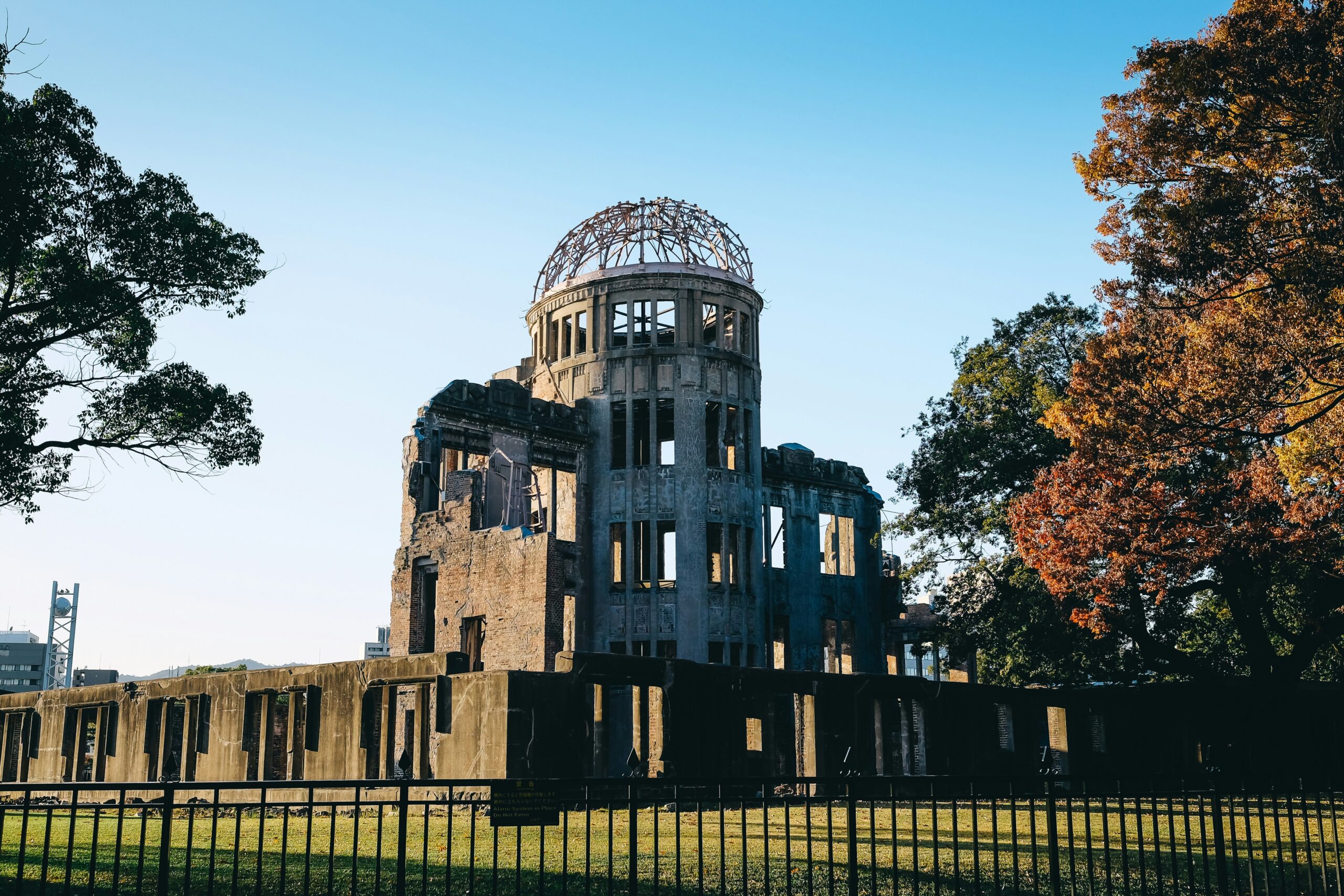
📍 Related Prefecture Guide:
Hiroshima Travel Guide
## Introduction
When you imagine Hiroshima, images of its poignant Peace Memorial Park, delicious *okonomiyaki*, and the serene beauty of Miyajima Island often come to mind. While these iconic attractions are undeniably essential for any first-time visitor to Japan, a hidden gem awaits those seeking a truly unique and tranquil experience – especially in winter. Venture north into Hiroshima Prefecture, and you’ll discover the enchanting Shobara region, a land transformed by a blanket of pristine snow.
Shobara offers an exquisite escape from the bustling cities, inviting travelers to immerse themselves in the quiet grandeur of Japan’s winter landscape. Here, the allure lies in the harmonious blend of exhilarating snow activities and the soothing warmth of traditional *onsen* (hot springs), creating the perfect balance for a rejuvenating retreat. This article will guide first-time international visitors through the wonders of Shobara, providing practical tips, recommendations, and everything you need to plan an unforgettable snowy adventure in the heart of Hiroshima Prefecture.
## Why Visit This Area
Shobara, nestled in the mountainous northern part of Hiroshima Prefecture, offers a distinctly different facet of Japan that many international visitors overlook. Unlike the coastal areas, Shobara experiences significant snowfall, making it a prime destination for winter sports and cozy getaways.
* **Authentic Japanese Winter Experience:** Far from the well-trodden tourist paths, Shobara provides an opportunity to witness a more rural, authentic side of Japan. Picture traditional farmhouses nestled in snow, steam rising from onsen baths, and crisp, clean air – it’s a scene straight out of a postcard.
* **Onsen for Ultimate Relaxation:** After a day out in the cold, there’s nothing quite like sinking into the mineral-rich waters of a Japanese onsen. Shobara boasts several excellent hot spring facilities, many offering *rotenburo* (open-air baths) where you can soak while surrounded by snow-covered scenery – an unparalleled experience of bliss.
* **Diverse Winter Activities:** Whether you’re a seasoned skier or a family looking for gentle slopes, Shobara’s ski resorts cater to all levels. Beyond skiing and snowboarding, you can enjoy snowshoeing, sledding, or simply building snowmen, creating lasting memories amidst breathtaking natural beauty.
* **Escape the Crowds:** While major cities can be bustling even in winter, Shobara offers a peaceful respite. Enjoy the tranquility, fresh mountain air, and the chance to connect with nature without the usual crowds. It’s an ideal choice for those seeking calm and rejuvenation.
* **Local Culture and Cuisine:** Shobara is also a hub for local produce, including renowned *wagyu* beef and exquisite *sake*. This region provides a chance to savor authentic regional dishes and experience the warm hospitality of rural Japan.
## Best Things to Do
Shobara truly comes alive in winter, offering a range of activities for all ages and interests.
* **Indulge in Onsen Soaks:** The star attraction for many. Shobara and its immediate vicinity are home to several charming onsen. Look for *rotenburo* for the quintessential snowy onsen experience.
* **Yu no Sato (道の駅リストアステーションゆと里):** While a “Michi no Eki” (roadside station), it features a well-regarded onsen facility where you can enjoy local springs. It’s a great stop for relaxation and local produce.
* **Dogo Onsen (道後温泉):** While the famous Dogo Onsen is in Ehime Prefecture, there are smaller, local onsen facilities in the Dogo Plateau area within Shobara (distinct from the Ehime one) that provide similar rustic charm and relaxation.
* **Etiquette Tip:** Remember to thoroughly wash your body *before* entering the bath. Tattoos can sometimes be an issue in traditional onsen; inquire beforehand or look for facilities that are tattoo-friendly.
* **Skiing and Snowboarding:** Shobara boasts several excellent ski resorts, particularly suitable for families and those looking for less crowded slopes than the major resorts in other prefectures.
* **Hiba Valley Ski Resort (ひばごんスキー場):** One of the most popular resorts in the area, offering a good mix of slopes for beginners to intermediate skiers. It’s known for its family-friendly atmosphere and snow quality. Equipment rental and lessons are available.
* **Dogo Plateau Ski Resort (道後山高原スキー場):** Another popular option, particularly good for beginners and those looking for a relaxed skiing experience. Its gentle slopes make it ideal for learning.
* **Rippei Ski Resort (立野スキー場):** A smaller, local resort that offers a more intimate skiing experience, often popular with residents.
* **Estimated Costs:** A full-day lift ticket typically ranges from ¥3,500 to ¥5,000. Equipment rental (skis/snowboard, boots, poles) can be around ¥3,000 to ¥5,000 per day.
* **Snowshoeing and Winter Hiking:** For those who prefer a gentler pace, exploring the snowy forests on snowshoes is a magical experience. Many ski resorts offer designated snowshoeing trails or guided tours. It’s an incredible way to appreciate the tranquil winter scenery and spot local wildlife.
* **Estimated Costs:** Snowshoe rental is often around ¥1,500 to ¥2,500 per day. Guided tours vary but can start from ¥5,000 per person, including rental.
* **Sledding and Snow Play:** Most ski resorts have designated areas for sledding, perfect for families with younger children or anyone wanting some playful fun in the snow.
* **Explore Taishakukyo Gorge (帝釈峡):** While parts might be inaccessible in heavy snow, the sheer cliffs and the graceful natural bridge (Onbashi) offer a different kind of stark beauty in winter. Check local conditions before heading out.
[IMAGE: Key attraction in Hiroshima – Suggestion: A scenic shot of a snowy onsen rotenburo, or a vibrant winter festival scene in a snowy Japanese town, or a beautiful shot of a snowy landscape in Shobara, showing mountains and traditional Japanese houses.]
## Local Food & Specialties
Hiroshima’s Shobara region offers a delicious array of local specialties that are particularly comforting in the cold winter months.
* **Chugoku Hiba Beef (比婆牛):** This is Shobara’s pride and joy. Raised in the pristine environment of the Hiba Mountains, this *wagyu* beef is renowned for its tender texture, rich marbling, and exquisite flavor. Enjoy it as *steak*, in a *sukiyaki* or *shabu-shabu* hot pot, or grilled simply to savor its natural taste. Seek out restaurants or *ryokan* (traditional Japanese inns) that feature it prominently on their menus.
* **Hiroshima-style Okonomiyaki (広島風お好み焼き):** While primarily associated with Hiroshima City, you’ll still find delicious *okonomiyaki* in Shobara, often with a local twist. This savory pancake layered with cabbage, noodles (soba or udon), meat, and egg is a hearty and satisfying meal.
* **Local Sake (日本酒):** Hiroshima Prefecture is a major *sake*-producing region, and Shobara has its own small, quality breweries. Enjoying a warm (or chilled) cup of local *sake* is the perfect accompaniment to a winter meal. Ask your *ryokan* or local restaurant for their recommendations.
* **Winter Nabe (鍋物):** Hot pot dishes are a staple in Japanese winter cuisine. Restaurants and *ryokan* often serve various *nabe*, featuring seasonal vegetables, local meats (like Hiba beef), and seafood, simmered in a flavorful broth. It’s a communal and warming experience.
* **Foraged Vegetables and Mushrooms:** The mountainous terrain means a bounty of seasonal foraged goods. Keep an eye out for dishes featuring local wild mushrooms (*kinoko*) or mountain vegetables (*sansai*) unique to the season.
## Recommended Hotels
For an authentic Shobara winter experience, consider staying at a traditional *ryokan* with onsen facilities, or a hotel conveniently located near the ski resorts. Here are a few recommendations:
1. **Dogo Mountain Resort Hotel (道後山高原スキー場リゾートホテル):**
* **Type:** Ski resort hotel.
* **Vibe:** Convenient, modern facilities catering to skiers and families. Likely to have amenities like equipment rental and direct access to slopes. Expect a relaxed, sporty atmosphere.
* **Estimated Cost:** ¥10,000 – ¥20,000 per person per night (including meals, common at ski hotels).
* **Why recommended:** Ideal for those prioritizing ski-in/ski-out convenience and easy access to winter activities at Dogo Plateau Ski Resort.
2. **Hiba Valley Ski Resort Accommodation (ひばごんスキー場宿泊施設):**
* **Type:** Lodge or guesthouse associated with the ski resort.
* **Vibe:** Simple, functional, and very convenient for accessing the Hiba Valley slopes. Offers a cozy, rustic feel often found in ski lodges.
* **Estimated Cost:** ¥8,000 – ¥15,000 per person per night (often with basic meals).
* **Why recommended:** Perfect for budget-conscious skiers and snowboarders who want to be right on the mountain.
3. **Yu no Sato (道の駅リストアステーションゆと里):**
* **Type:** Michi no Eki (Roadside Station) with onsen and potential accommodation/cabins.
* **Vibe:** While primarily a roadside station, some Michi no Eki offer simple, clean accommodation or bungalows. The main draw here is the onsen facility. It’s a blend of local produce market, restaurant, and hot spring.
* **Estimated Cost:** Onsen access is typically ¥500 – ¥1,000. Accommodation, if available, would likely be around ¥5,000 – ¥10,000 per night for simple rooms.
* **Why recommended:** Good for experiencing a local onsen, trying regional food, and for those traveling by car. A good option for day-trip onsen use.
4. **Local Ryokans/Minshuku in Shobara City Center:**
* **Type:** Traditional Japanese inns or guesthouses.
* **Vibe:** Offers a more authentic, local Japanese experience. You might sleep on futons on tatami mats, and enjoy multi-course *kaiseki* dinners featuring regional ingredients.
* **Estimated Cost:** ¥12,000 – ¥25,000 per person per night (often includes dinner and breakfast).
* **Why recommended:** For travelers seeking a cultural immersion, local hospitality, and delicious home-cooked meals. Ask your *ryokan* host for tips on nearby onsen or activities. *Note: Specific names can vary and availability might be limited, so booking in advance is crucial.*
## Recommended Tours & Activities
While Shobara is fantastic for self-exploration, here are some activity ideas to enhance your trip:
* **Beginner Ski/Snowboard Packages:** Many ski resorts (like Hiba Valley and Dogo Plateau) offer packages that include lift tickets, equipment rental, and group lessons. This is highly recommended for first-timers to get comfortable on the slopes.
* **Estimated Cost:** ¥8,000 – ¥15,000 for a half-day or full-day package.
* **Guided Snowshoeing Tours:** Local guides can take you on picturesque snowshoeing trails, often leading to stunning viewpoints or through serene forests. This is a great way to learn about the local flora and fauna, and safely navigate the winter landscape. Inquire at your hotel or local tourist information centers.
* **Onsen Hopping Day Trip:** If you’re staying at a hotel without an onsen, consider a day trip to visit several local onsen facilities. Many offer day-use passes. It’s a relaxing way to experience different bath types and local atmospheres. Combine this with a visit to a Michi no Eki for local snacks.
* **Sake Brewery Tours (Seasonal):** Some local sake breweries in the broader Hiroshima region might offer tours or tastings. While not specifically winter-focused, it’s a great indoor activity and a chance to learn about traditional Japanese brewing. Check with specific breweries for winter availability.
## How to Get There
Reaching Shobara requires a bit of planning, but it’s well worth the journey. The main gateway to the region is often through Hiroshima City.
* **From Hiroshima City:**
* **By Train & Bus (Recommended):** Take the JR Geibi Line from Hiroshima Station to Bingo-Shobara Station (備後庄原駅). This journey takes approximately 2 to 2.5 hours and costs around ¥1,500. From Bingo-Shobara Station, you will need to take a local bus or taxi to your specific accommodation or ski resort. Bus schedules can be limited, especially in winter, so check in advance.
* **By Highway Bus:** Several highway buses operate from Hiroshima Bus Center (広島バスセンター) to Shobara. This is often the most direct and convenient public transport option. The journey takes around 1.5 to 2 hours and costs approximately ¥2,000. Check specific routes and destinations within Shobara (e.g., stops near ski resorts).
* **By Rental Car:** For ultimate flexibility, especially with ski gear, renting a car from Hiroshima City is highly recommended. The drive takes about 1.5 to 2 hours via the Chugoku Expressway. Ensure your rental car has **snow tires (スタッドレスタイヤ – *sutaddoresu taiya*)** or **chains (チェーン – *chēn*)** during winter, as roads can be icy or snow-covered.
* **Estimated Rental Car Cost:** From ¥7,000-¥15,000 per day, plus tolls and fuel.
* **From Tokyo/Osaka/Kyoto:**
* Take the JR Tokaido/Sanyo Shinkansen (bullet train) to Hiroshima Station. This journey is approximately 4 hours from Tokyo or 1.5-2 hours from Osaka/Kyoto.
* From Hiroshima Station, follow the instructions above (train & bus, highway bus, or rental car) to reach Shobara.
* **Travel Times Summary:**
* Hiroshima Station to Bingo-Shobara (Train): 2-2.5 hours
* Hiroshima Bus Center to Shobara (Bus): 1.5-2 hours
* Hiroshima City to Shobara (Car): 1.5-2 hours
## Travel Tips for International Visitors
Stay Connected in Japan
Get a Japan eSIM for fast, reliable mobile data.
Use code JAPANTRAVELHUB for a discount.
To ensure a smooth and enjoyable snowy retreat in Shobara, keep these practical tips in mind:
* **Best Season:** The optimal time for snow activities and onsen with snowy views in Shobara is generally from **mid-December to early March**. Peak snow depth is usually in January and February.
* **What to Pack:**
* **Warm Layers:** Thermal underwear, fleece, sweaters, waterproof and windproof outer jacket and pants.
* **Waterproof Footwear:** Insulated, waterproof boots with good grip are essential.
* **Accessories:** Warm hat, gloves/mittens, scarf, wool socks.
* **Onsen Essentials:** A small towel (many onsen provide or rent towels, but having your own small one for modesty can be useful), and perhaps a basic change of clothes.
* **Language:** While Japanese is primarily spoken, staff at larger resorts or hotels may have basic English. It’s helpful to have a translation app and learn a few basic Japanese phrases (e.g., *konnichiwa* for hello, *arigato* for thank you, *sumimasen* for excuse me/sorry).
* **Cash is King (Especially in Rural Areas):** While larger establishments accept credit cards, many smaller local shops, restaurants, or even some bus services in rural Shobara might prefer or only accept cash. Carry enough Japanese Yen.
* **Driving in Winter:** If renting a car, absolutely ensure it has snow tires (studless tires). Driving in snowy conditions requires caution. Always check weather and road conditions before heading out.
* **Wi-Fi and Connectivity:** While hotels usually offer Wi-Fi, coverage might be spotty in very remote areas. Consider renting a pocket Wi-Fi device or getting a Japan SIM card/eSIM for reliable internet access.
* **Booking in Advance:** Accommodation, especially *ryokan* with good onsen, can book up quickly during peak winter season and weekends. Book well in advance to secure your preferred options.
* **Tattoos and Onsen:** Traditionally, people with tattoos might be denied entry to public onsen. This rule is relaxing in many tourist-focused areas, but in rural Shobara, it might still be enforced. If you have tattoos, consider booking a *ryokan* with a private onsen, or discreetly covering them if allowed. Always check their policy beforehand.
## Conclusion
Hiroshima’s Shobara region offers a captivating winter escape that promises both exhilaration and profound tranquility. From the thrill of carving through fresh powder at its welcoming ski resorts to the serene embrace of an outdoor onsen amidst snow-laden landscapes, it’s an experience that beautifully contrasts with the more familiar facets of Hiroshima.
For first-time international visitors, Shobara presents a chance to delve deeper into Japan’s diverse natural beauty and authentic rural charm. Indulge in rich local cuisine, immerse yourself in traditional hospitality, and create memories against a stunning backdrop of white. Escape the ordinary and discover the magic of a snowy retreat in Hiroshima’s unforgettable Shobara region – a journey that truly nourishes the soul.
Explore More About Hiroshima
Find more travel tips, guides, and recommended spots in Hiroshima.
コメント