
📍 Related Prefecture Guide:
Niigata Travel Guide
Imagine a landscape painted in hues of gold and amber, where crisp autumn air carries the scent of ripening rice and the promise of exquisite flavors. This is Niigata, Japan’s premier rice-growing prefecture, coming alive in its most captivating season. For the discerning international traveler seeking a profound culinary immersion, an autumn journey to Niigata offers an unparalleled experience: a deep dive into the world of sake, a celebration of the annual rice harvest, and a feast of seasonal gastronomy that defines gourmet travel.
## Niigata in Autumn: A Feast for the Senses
Autumn in Niigata (typically September to November) is a magical time when nature’s bounty is at its peak. The scorching summer heat gives way to pleasant, temperate days, perfect for exploration. The vast rice paddies, the very soul of Niigata, shimmer with mature stalks ready for harvest, creating a breathtaking golden tableau that stretches to the horizon. Beyond the visual spectacle, autumn ushers in a wealth of fresh ingredients – from plump seafood to earthy root vegetables – setting the stage for an unforgettable culinary adventure. This is when Niigata truly reveals its soul to the food and sake enthusiast.
### The Golden Season: Rice Harvest Spectacle
The heart of Niigata’s fame lies in its rice. As Japan’s top producer, it’s home to Koshihikari, arguably the nation’s most prized rice variety. In autumn, the meticulous cultivation culminates in the annual harvest, a testament to generations of agricultural wisdom. Witnessing farmers in their fields, often with traditional methods alongside modern machinery, is a humbling experience that connects you directly to the source of Niigata’s celebrated sake and cuisine. Many local events and festivals celebrate this vital period, offering unique insights into rural Japanese life and the community’s profound respect for nature’s cycles. The purity of Niigata’s water, drawn from the melted snow of its mountainous interior, combined with fertile soil and dedicated farmers, creates the perfect environment for this exceptional grain.
## Unveiling Niigata’s Sake Secrets
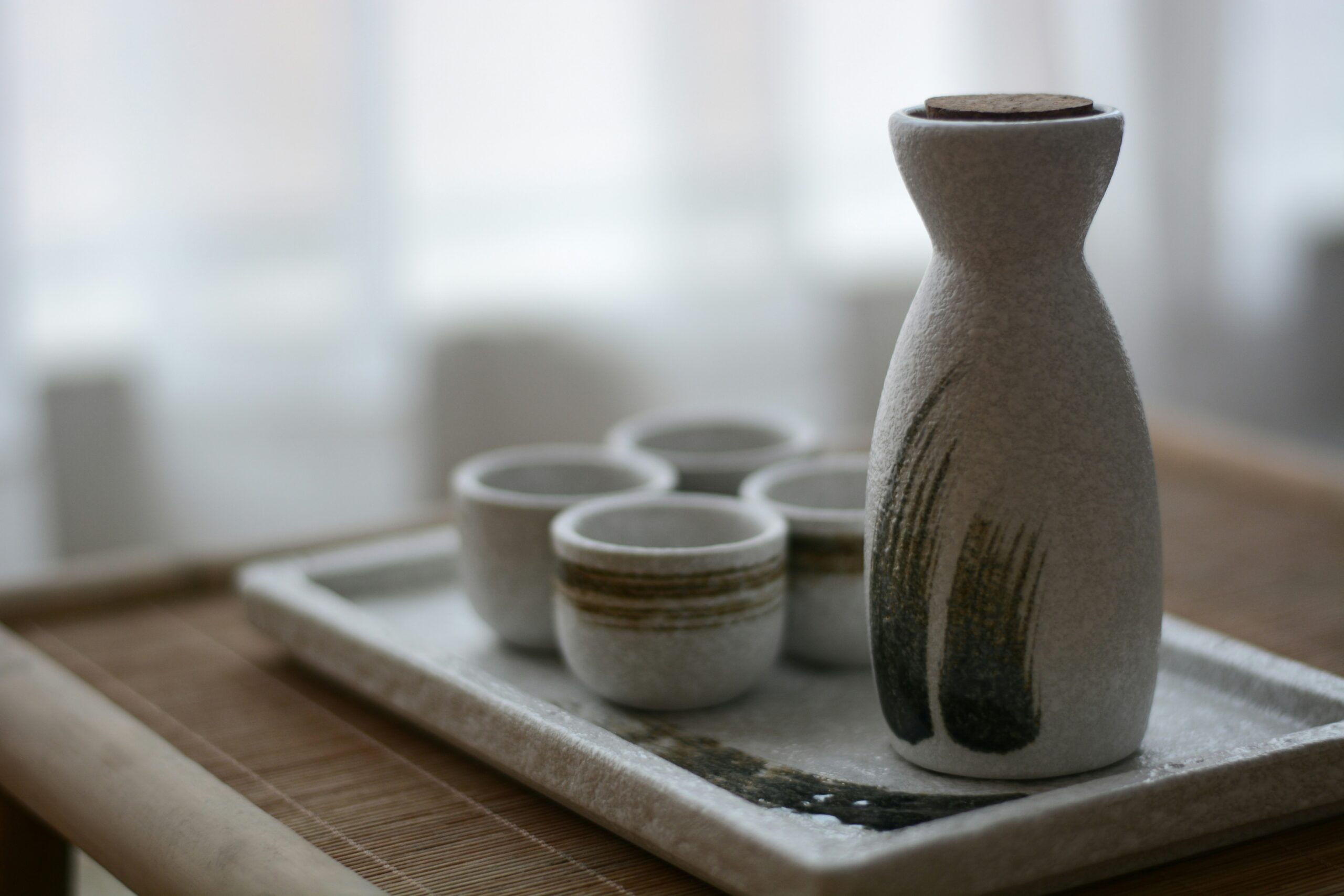
Niigata is not just Japan’s rice bowl; it’s also its sake powerhouse, boasting the highest number of sake breweries in the country. This isn’t by chance. The exquisite rice, pure water, and cold winter climate are the foundational elements for crafting truly exceptional sake. Niigata’s sake is renowned for its distinctive *tanrei karakuchi* style – clean, crisp, and refreshingly dry, making it a perfect complement to a wide range of dishes.
### Brewery Tours and Tastings: A Sip of Tradition
A Niigata sake tour is an education in itself. Many breweries, or *sake kura*, welcome visitors, offering guided tours that explain the intricate brewing process, from rice polishing to fermentation. You’ll learn about *koji* mold, yeast, and the traditional techniques passed down through centuries. The highlight, of course, is the tasting session, where you can sample various grades of sake, from robust *junmai* to fragrant *ginjo* and *daiginjo*, often with an expert guiding your palate.
**Recommendations:**
* **Imayo Tsukasa Sake Brewery (Niigata City):** One of Japan’s few purely *junmai*-only breweries. They offer English tours and are easily accessible from Niigata Station. Reservations are recommended.
* **Kirinzan Brewery (Aga Town):** Known for its beautifully balanced, clean sake. While a bit further afield, the journey through scenic landscapes is rewarding. Check their website for tour availability.
* **Hakkaisan Brewery (Minamiuonuma):** Located at the foot of Mount Hakkai, this acclaimed brewery is famous for its smooth, refined sake and offers extensive facilities, including a popular snow-aging cellar for sake. It’s a fantastic day trip, particularly if combining with a stay in Echigo-Yuzawa.
Remember to make reservations well in advance, especially if you require English-speaking guides. Some smaller breweries may not have regular tours but might offer tastings or retail shops.
### Beyond the Bottle: Sake’s Culinary Companions
Niigata sake isn’t just for sipping; it’s an integral part of the local culinary identity. Its crisp character makes it an ideal pairing for the region’s diverse food offerings, especially its abundant seafood. Many restaurants in Niigata thoughtfully curate their sake lists to complement their menus, offering a seamless gourmet experience where food and drink elevate each other. Don’t miss the opportunity to ask for sake recommendations from local chefs and proprietors.
## Autumn’s Bounty: A Culinary Deep Dive
Niigata’s autumn culinary scene extends far beyond sake. The harvest season delivers an abundance of fresh, high-quality ingredients that chefs transform into delightful dishes, reflecting the region’s deep connection to its land and sea.
### Seasonal Delights from Land and Sea
As the weather cools, the fishing boats bring in a rich harvest from the Sea of Japan. **Yellowtail (buri)**, especially *kanburi* later in autumn, is renowned for its rich, oily flesh. Various white fish, squid, and delicious shellfish also feature prominently. On land, the rice harvest is joined by an array of autumn vegetables like sweet **taro**, earthy **burdock root**, and a variety of **mushrooms**, often foraged from the local mountains. Fruits like sweet **persimmons** and crisp **apples** add a refreshing note to the seasonal palate.
**Must-Try Local Dishes:**
* **Hegi Soba:** A unique buckwheat noodle dish served in wave-like portions on a wooden tray, often using *funori* (seaweed) as a binding agent, giving it a distinct springiness. It’s traditionally eaten with a soy-based dipping sauce and local condiments.
* **Noppe Jiru:** A heartwarming, savory soup made with a variety of root vegetables (taro, carrots, burdock), mushrooms, and sometimes chicken or seafood, thickened with potato starch. It’s a staple of Niigata home cooking, particularly in cooler months.
* **Koshihikari Rice:** Of course, simply enjoying perfectly cooked Niigata Koshihikari rice, perhaps with some local pickles (*tsukemono*) and miso soup, is a gourmet experience in itself.
### Farm-to-Table Experiences and Gourmet Stays
Many *ryokan* (traditional Japanese inns) and upscale restaurants in Niigata emphasize a “farm-to-table” or “sea-to-table” philosophy, crafting *kaiseki* (traditional multi-course) dinners that showcase the best seasonal ingredients. These gourmet stays offer not just a luxurious room but a comprehensive culinary journey, often prepared with traditional techniques and presented as edible art.
**Gourmet Stay Tips:** Look for *ryokan* in areas known for their hot springs (like Iwamuro Onsen or Echigo-Yuzawa) that highlight their use of local Niigata ingredients in their *kaiseki* menus. These often provide the most immersive experience, combining relaxation with exceptional dining.
## Crafting Your Niigata Culinary Journey: Practical Tips
Planning your trip effectively will enhance your Niigata autumn adventure. Here’s what international travelers need to know.
### Getting There and Getting Around
* **To Niigata:** The fastest and most convenient way to reach Niigata from Tokyo is via the **Joetsu Shinkansen** (bullet train). The journey takes approximately 2 hours, offering scenic views as you travel north.
* **Within Niigata City:** Niigata City itself is relatively walkable, and local buses and taxis are readily available for getting around.
* **Exploring the Prefecture:** For exploring rural breweries, rice paddies, and specific culinary spots outside the city, **renting a car** is highly recommended. This provides the flexibility to explore at your own pace. Ensure you have an International Driving Permit. Local trains connect some towns, but bus services can be less frequent in rural areas.
### Accommodation Recommendations
* **Niigata City:**
* **Hotel Okura Niigata:** Located by the Shinano River, offering excellent views and easy access to attractions.
* **ANA Crowne Plaza Niigata:** Conveniently located near Niigata Station, providing comfortable modern amenities.
* For budget-friendly options, consider business hotels near the station.
* **Rural/Gourmet Stays:**
* **Echigo-Yuzawa:** A popular ski resort town in winter, but beautiful in autumn, offering a selection of *ryokan* with excellent *kaiseki* meals, often featuring sake pairings.
* **Iwamuro Onsen:** Closer to Niigata City, this hot spring town boasts *ryokan* where you can enjoy traditional hospitality and local cuisine.
* When booking *ryokan*, specifically look for plans that include elaborate dinner and breakfast, as these are a significant part of the experience.
### Activity Recommendations
* **Sake Brewery Tours:** As highlighted, a must-do. Research and book in advance.
* **Pia Bandai Market:** A vibrant seafood and produce market in Niigata City. Great for fresh sashimi, local products, and a casual lunch.
* **Niigata Furusato Village:** A large complex offering souvenirs, local crafts, and a chance to learn about Niigata’s history and culture. You can also sample and purchase a wide variety of local sake and food products.
* **Cooking Classes:** Some guesthouses or local organizations might offer cooking classes focused on Niigata cuisine. Inquire locally or search online.
* **Visit a Rice Farm:** While direct participation in harvest might be difficult for tourists, some farms or tourism offices might offer observational tours or educational sessions during the autumn.
### Essential Tips for Travelers
* **Language:** While some places in Niigata City or major tourist spots may have English-speaking staff, having a translation app and knowing a few basic Japanese phrases will greatly enhance your experience, especially in rural areas.
* **Reservations:** Absolutely essential for popular restaurants, *ryokan*, and brewery tours, especially during peak autumn season.
* **Cash is King (or very useful):** While credit cards are accepted in many places, it’s wise to carry sufficient cash, particularly when visiting smaller shops, markets, or rural establishments.
* **Dietary Restrictions:** If you have any dietary restrictions or allergies, communicate them clearly and in advance, especially when booking *ryokan* or *kaiseki* meals. A written note in Japanese can be very helpful.
* **Best Time to Visit:** Mid-September to late November for the vibrant autumn colors, rice harvest, and seasonal foods. October is often considered ideal.
## Conclusion
A journey to Niigata in autumn is more than just a trip; it’s an awakening of the senses, a deep dive into the heart of Japanese culinary tradition. From the shimmering golden rice fields that yield the finest grains to the crystal-clear waters that become the foundation of exquisite sake, every element conspires to create an unforgettable experience. Indulge in the crisp, clean sakes, savor the freshest seasonal bounty, and immerse yourself in the warm hospitality of this truly special region. Niigata in autumn promises a gourmet adventure that will linger in your memory long after you’ve returned home, beckoning you back to its golden embrace.
Recommended Travel Deals


コメント