The best place to stay in Nagasaki depends less on a hotel brand than on the part of the city you want to make effortless. Choose Nagasaki Station when a rail arrival, an onward train or a short stay sets the rhythm. Choose Dejima when waterfront history, central tram access and a calmer evening are the priority. Choose Shianbashi when late dinner and a livelier night are part of the trip rather than an occasional detour.
These three areas are connected, but they do not remove the same friction. Nagasaki’s hills, waterways and tram routes make a small-looking map misleading after luggage, rain or a late meal. Start with your first and last day, then compare a small number of hotels in the area that matches it. The practical context below was checked on 2026-08-17; use the live tram map, hotel directions and service notices again for your travel date.
| Area | Best for | Choose it if | Think twice if |
|---|---|---|---|
| Nagasaki Station | Rail arrivals, onward journeys and simple first or last nights | You want to minimise the move between a train, luggage and your room. | Your trip is centred on late evenings in the southern downtown area. |
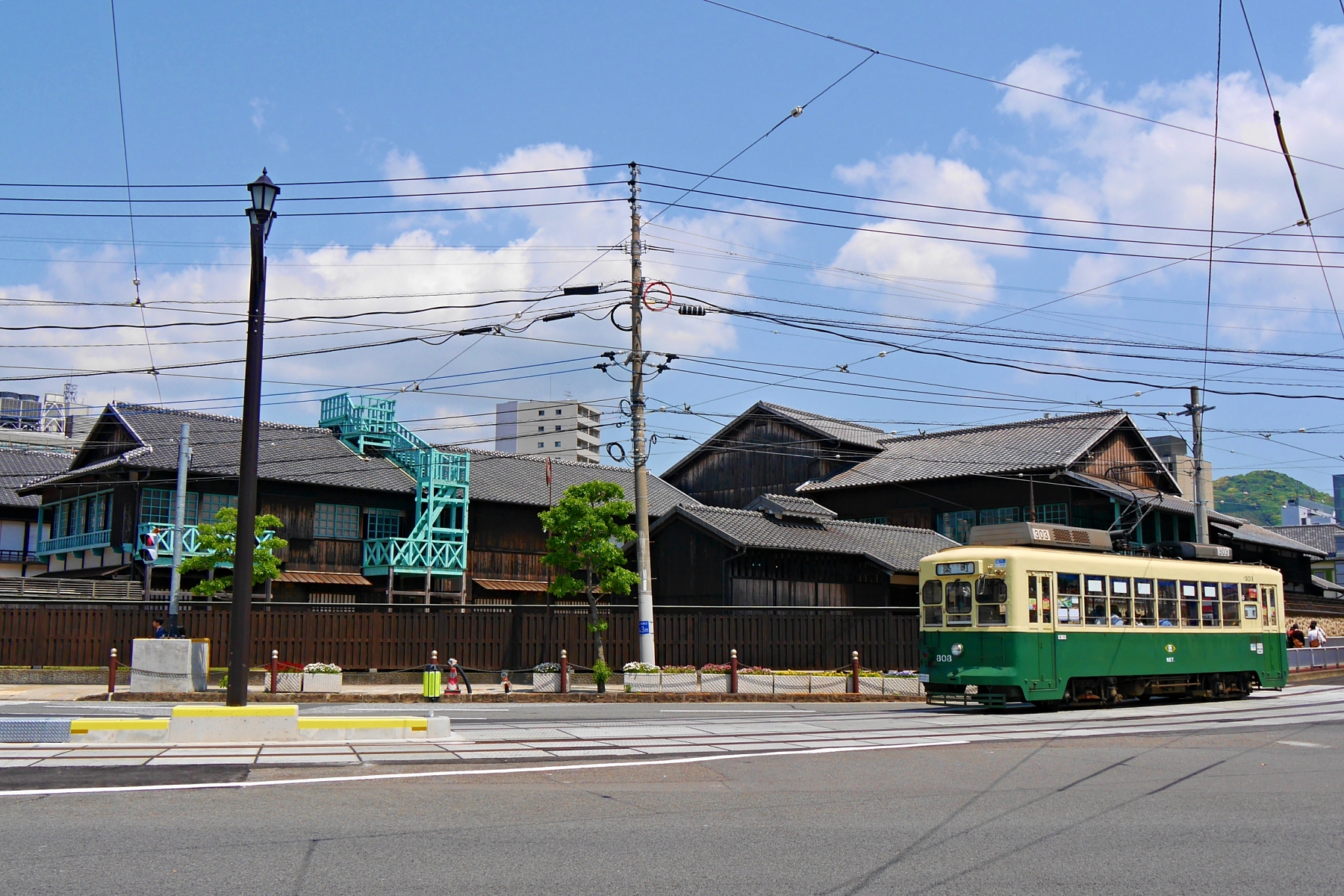
| Dejima | History, waterfront walks and a balanced central base | You want a tram-friendly base near Dejima and the harbour-side area. | You need to be beside the station for an early departure. |
| Shianbashi | Late dining, nightlife and an evening-led city stay | You want the lively centre within a short walk after dinner. | You prefer quiet streets or expect several early rail starts. |
Stay by Nagasaki Station for the easiest rail days
Nagasaki Station is the sensible default when the journey itself matters. It works especially well after a long arrival, before an early departure, or when Nagasaki is one stop in a wider Kyushu route. A hotel within an easy walk of the station reduces the part of a trip that is least memorable but most tiring: getting luggage between a train platform and a room.
The station area is not isolated from sightseeing. The city’s tram network connects it with central and southern stops, but the right question is whether you want to make that ride once or twice a day. For a one-night stay, a rail-focused itinerary or a trip continuing toward Fukuoka or Kumamoto, accepting a short tram ride for dinner is often a better trade than moving hotels or carrying bags across town.
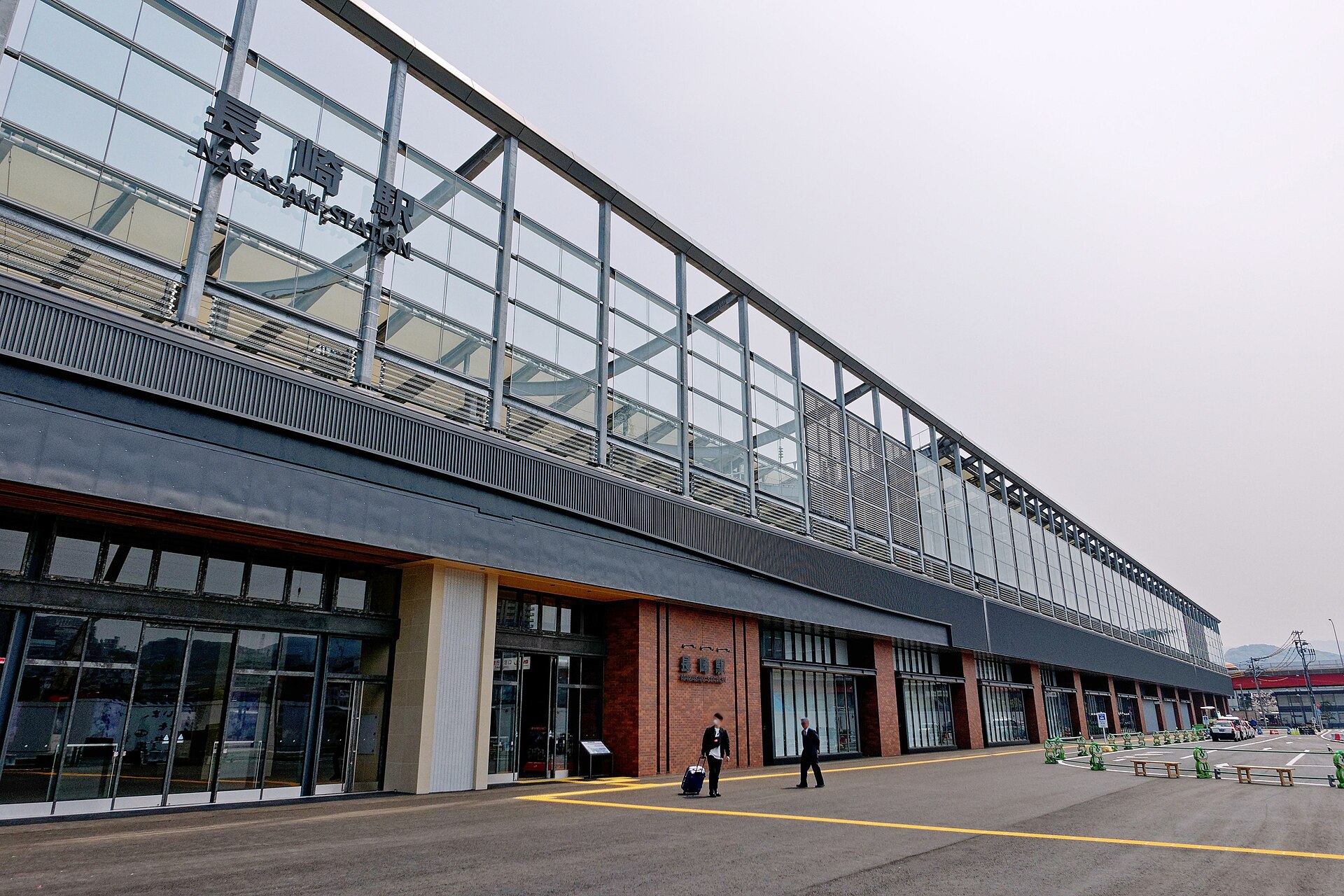
Before booking, check the hotel’s actual walking route from the station exit rather than relying on a map-pin distance. Construction, crossings and a street that looks flat online can matter with a suitcase. If your plan has a fixed train, choose this area first and let the evening plan remain flexible.
Choose Dejima for history, waterfront and a balanced base
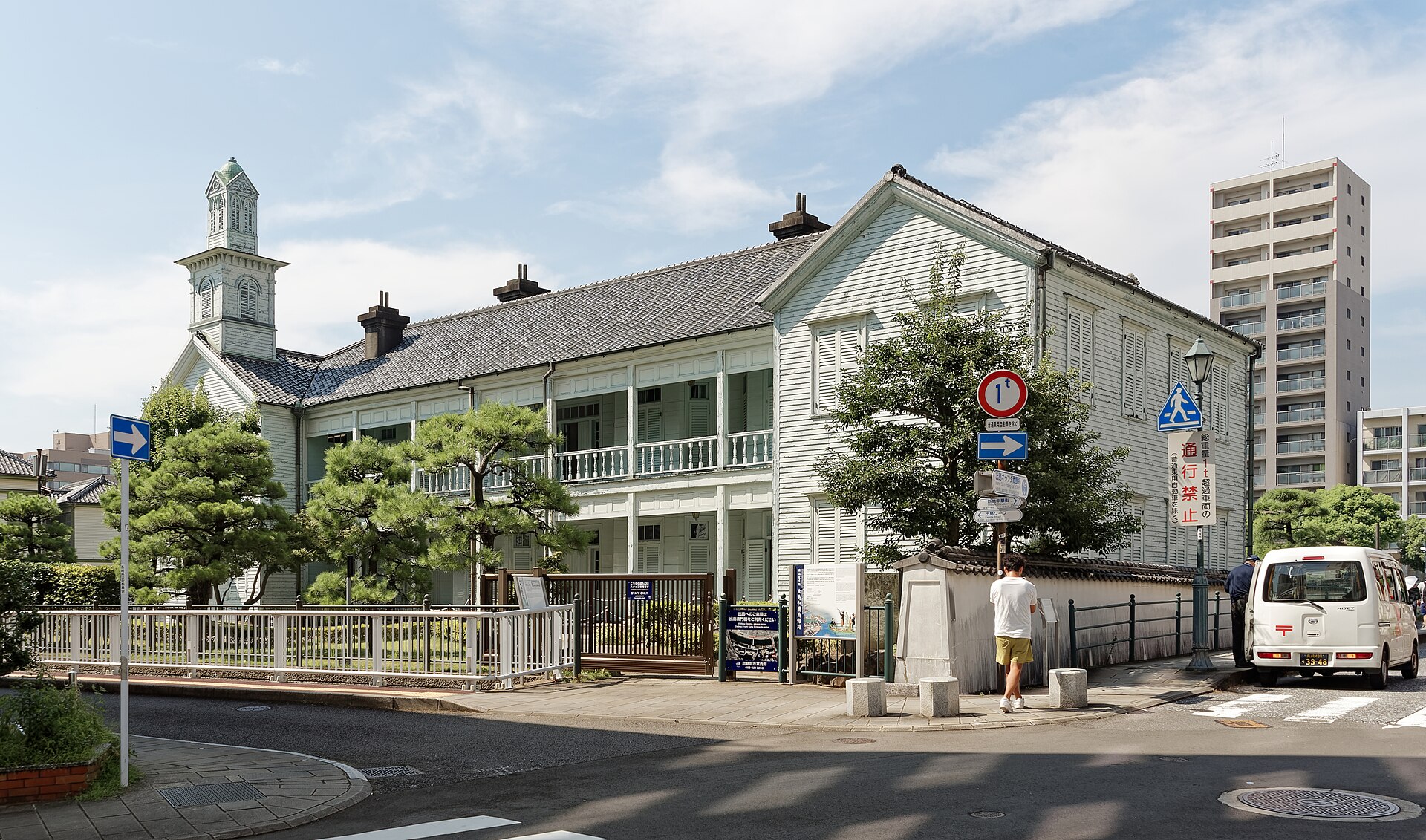
Dejima is the strongest all-round choice when the city itself is the focus and you do not need to sleep beside a platform. The official visitor guide describes the Dejima Wharf area as about a six-minute tram ride from Nagasaki Station to Dejima, followed by a short walk. That makes the district practical for travellers who want to combine historic Dejima, waterfront time and central-city stops without committing to the liveliest late-night streets.
Use Dejima as your search area when you are staying two or more nights, expect to take the tram for sightseeing, or want an evening that can be calm without being remote. It is also a useful compromise for travellers who want access to Chinatown and central streets but do not want every restaurant choice to be directly outside the hotel door. The trade-off is clear on an early rail morning: add the tram or taxi time back to the station before deciding that the room rate is the better deal.
Stay in Shianbashi when the evening is part of the plan
Shianbashi suits a food-led stay where late dinner, bars or a lively walk home are genuine priorities. Discover Nagasaki places it at roughly twelve minutes by tram from Nagasaki Station, so it is not the same convenience choice as sleeping beside the rail hub. It earns that extra movement when you want the evening district to be close enough that you do not have to watch the clock after every meal.
This is a choice to make deliberately. Check recent property reviews for noise, the exact route from the nearest tram stop and whether the room faces a busy street. Shianbashi can make a city break feel immediate, but it is a weaker default for light sleepers, families who need early starts or travellers who will repeatedly return to the station with bags.
Make the booking with your first and last day in mind
- Arriving late or leaving by train early: start with Nagasaki Station and only move farther south if the hotel is clearly worth the extra transfer.
- Planning a city-focused stay: compare Dejima properties first, then test the real tram and walking route to the places you expect to visit twice.
- Prioritising late food and nightlife: search Shianbashi, but read recent noise and entrance reviews before paying a non-refundable rate.
- Using the tram: save the current official network map and recheck service notices on the morning of a fixed plan.
- Continuing around Kyushu: make the departure day easy first, then use the remaining time for the area that best suits your evenings.
In short: choose Nagasaki Station for the smoothest rail days, Dejima for the most balanced history-and-waterfront base, and Shianbashi for nights you want close by. Once that choice is clear, compare specific hotels within the right area rather than searching the whole city. Continue with the Nagasaki travel guide, the Fukuoka travel guide for a northern Kyushu route, and the Kumamoto travel guide for the next stop south.
Sources checked: Discover Nagasaki accommodation guidance, Dejima Wharf visitor information, Shianbashi visitor information, and the Nagasaki Electric Tramway map. Checked 2026-08-17.