
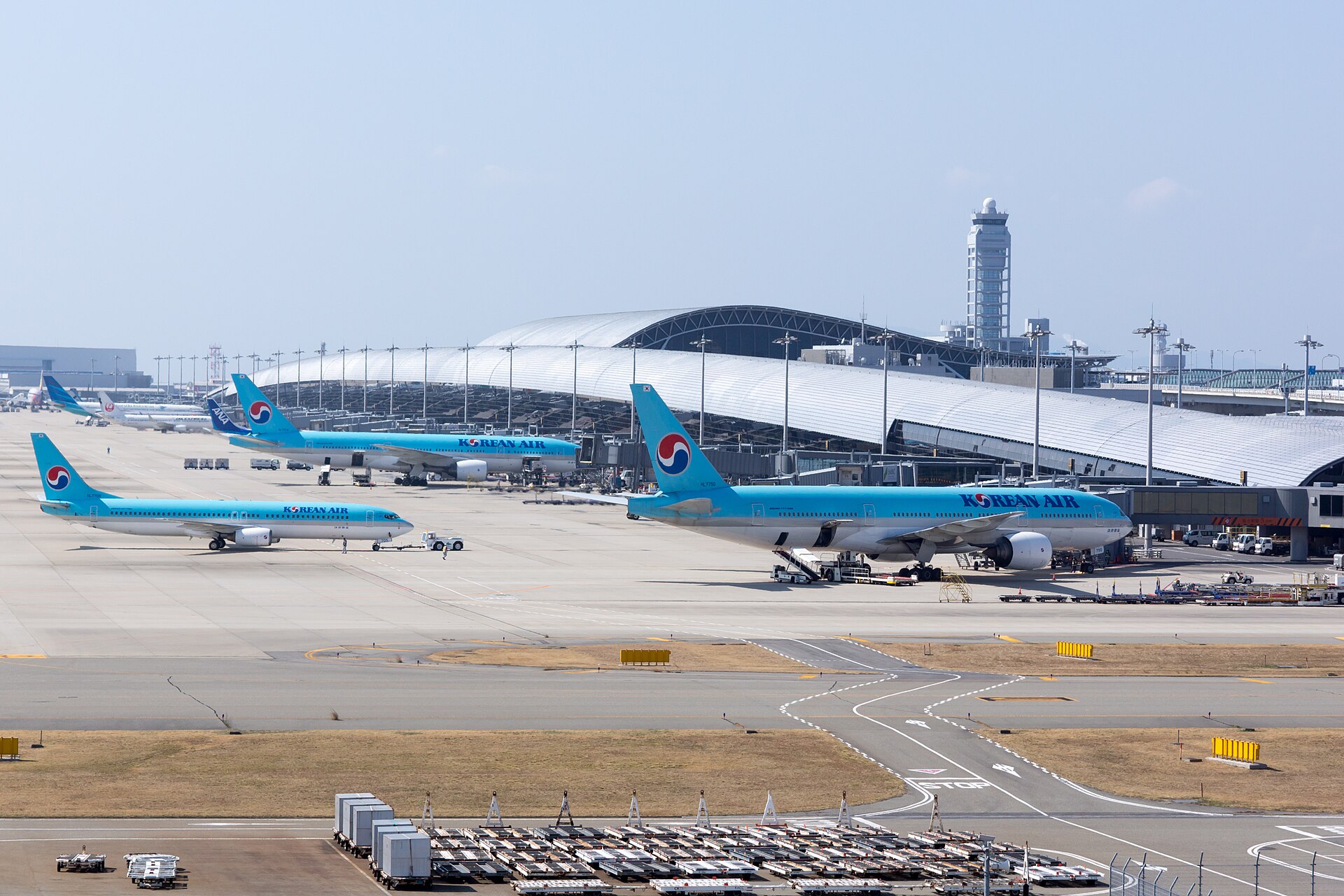
The best train from Kansai International Airport (KIX) is the one that puts you at the right first base with the fewest awkward transfers. Namba is a strong starting point for southern and central Osaka; Tennoji, Osaka and Shin-Osaka suit different JR connections; Kyoto needs a route that is worth the extra airport-to-city time. Start with your hotel neighbourhood, arrival terminal and bags—not simply the shortest advertised train time.
Routes and service patterns can change, so this guide was checked on 2026-08-07. Use the airport and operator route finders again for your actual flight, terminal and hotel before buying a ticket. For the rest of the trip, keep the Osaka travel guide and Kyoto travel guide open.
The quick choice
| First base | Start by comparing | Why it often fits | Check before committing |
|---|---|---|---|
| Namba, Shinsaibashi or south-central Osaka | Nankai Rapi:t or Airport Express | Both run directly between KIX and Nankai Namba; the airport express avoids a limited-express supplement. | Whether Namba is actually walkable from the hotel, and whether the faster Rapi:t departure works for your flight. |
| Tennoji, Osaka/Umeda, Shin-Osaka or a JR connection | JR airport services | JR can make the onward city or Shinkansen connection clearer than arriving at Namba. | Your actual train stop, the transfer within a large station and the last train after immigration. |
| Kyoto Station area | Direct JR airport service or airport bus | A direct Kyoto arrival can be calmer than changing in Osaka with bags. | The current timetable, hotel distance from Kyoto Station and whether your flight leaves enough margin. |
| Terminal 2 or a late, luggage-heavy arrival | Terminal shuttle and a hotel bus/taxi fallback | The rail station is attached to Terminal 1, not Terminal 2; a simple transfer can matter more than a few rail minutes. | Shuttle timing, last rail service, the exact hotel bus stop and a realistic taxi backup. |
Think of this as an arrival-base decision, not a timetable. A train that is nominally faster can be worse if it leaves you with a crowded interchange, stairs and a long hotel walk. Put your hotel address into the official route finder before choosing the rail company.
First, make sure you are at the right terminal and station
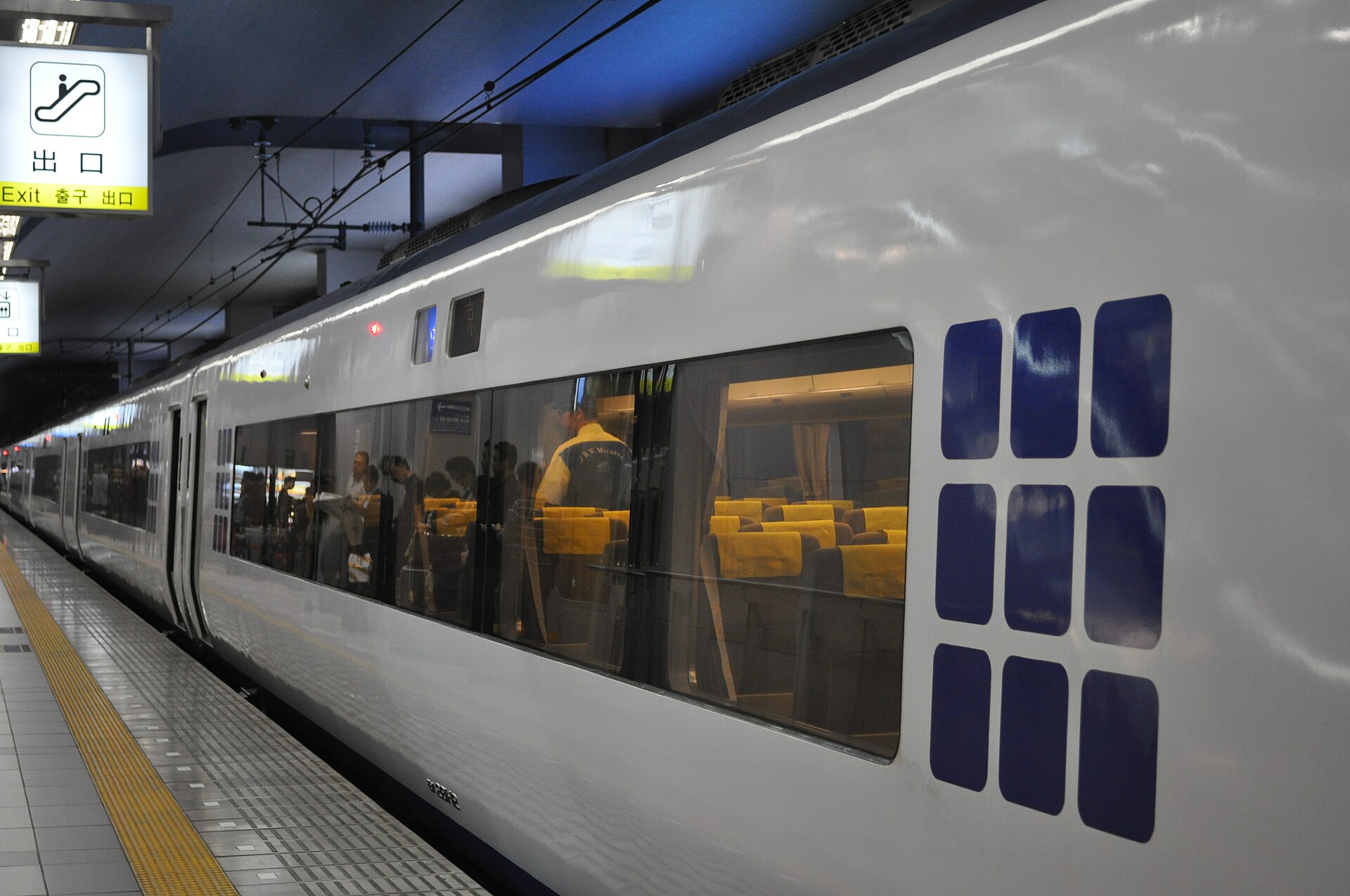
Kansai Airport Station is directly connected to the second floor of Terminal 1 and the Aeroplaza building. If you arrive at Terminal 2, you first need the free inter-terminal shuttle from Aeroplaza; the airport lists that ride as about seven to nine minutes. Build that movement into your plan before comparing train minutes, especially after a long-haul arrival or when travelling with children and large cases.
Once at the station, the practical split is straightforward: JR is the better starting comparison for Kyoto and many JR-side Osaka connections, while Nankai is the direct Namba option. Do not buy an airport rail ticket until you know which city gateway leaves you nearest your first hotel or onward train.
For Namba: Rapi:t or Airport Express?
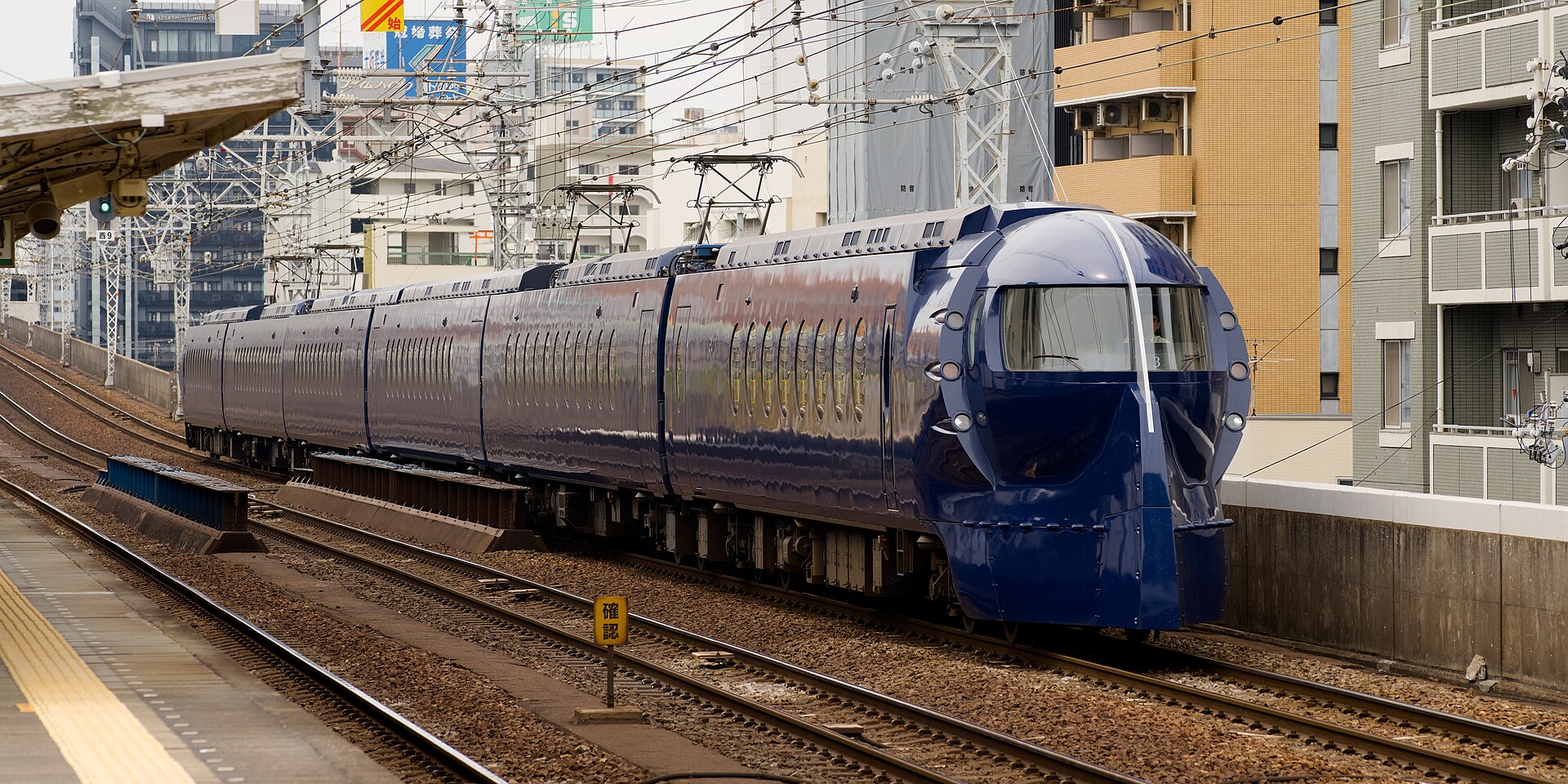
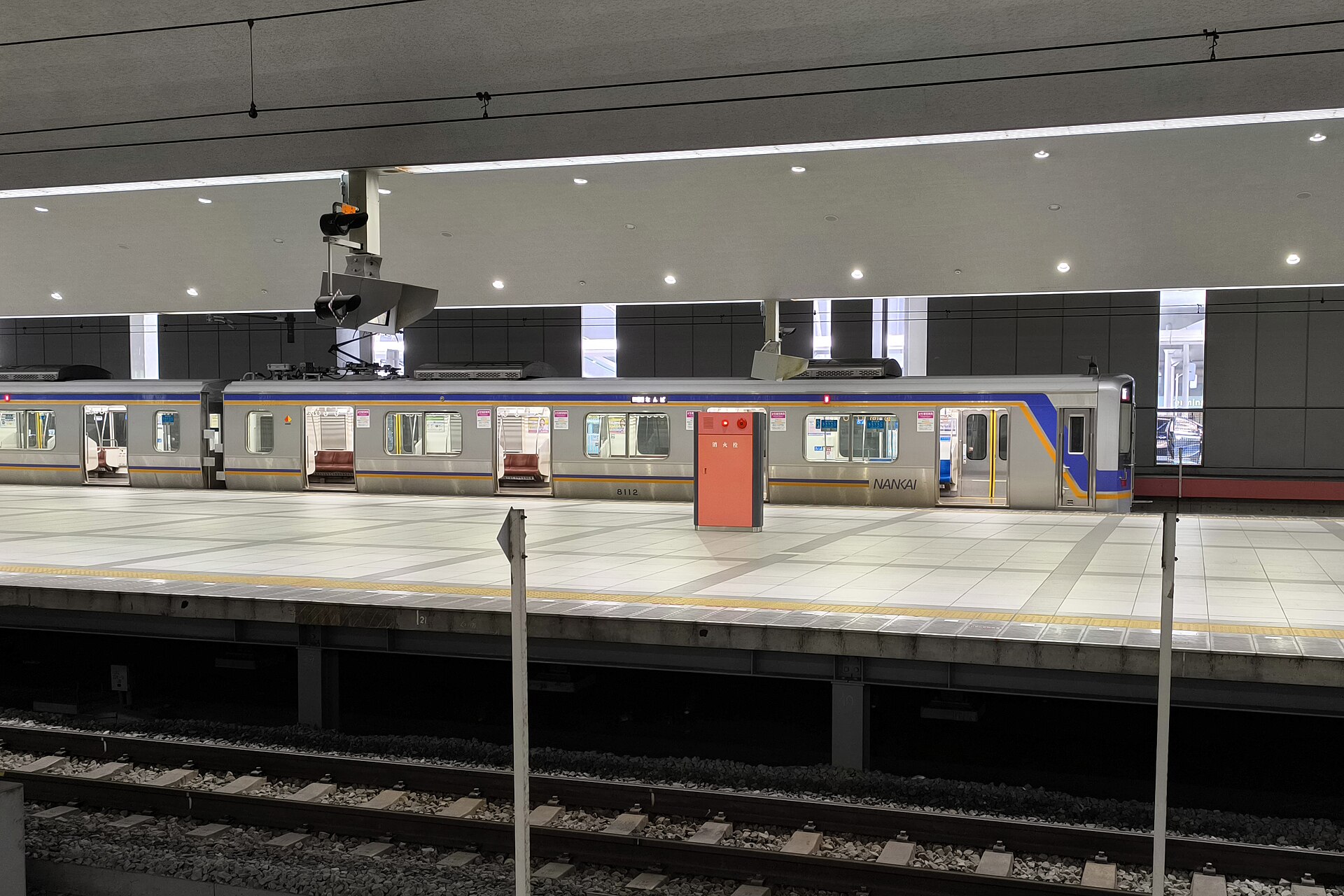
Nankai’s two useful KIX-to-Namba choices answer different needs. The limited-express Rapi:t connects Kansai-Airport and Namba in as little as 34 minutes, but it requires the regular fare plus a limited-express ticket. The Airport Express takes about 45 minutes and needs only the normal train ticket. That makes the decision less about a universal “best train” and more about whether the next Rapi:t departure and its extra ticket are worth roughly the time saving for your arrival.
Choose Nankai when your first night is around Namba, Shinsaibashi, Dotonbori or another south/central Osaka base that is naturally reached from Namba. If the hotel is actually closer to Osaka Station, Shin-Osaka or Tennoji, a Namba arrival can create the very transfer you were trying to avoid. Check the hotel’s nearest station, not just the district name on the booking page.
For JR-side Osaka and Kyoto: reduce the final transfer
JR is the first comparison for travellers heading to Tennoji, Osaka/Umeda, Shin-Osaka, Kyoto or an onward JR journey. Kansai Airport’s own access guidance confirms the Terminal 1 station connection and the current operator links; for Kyoto, compare the direct JR airport route or a limousine bus in the live route finder before you leave. The right choice depends on where the first day ends: a direct Kyoto arrival can be kinder than a cheaper Osaka interchange when you have luggage.
For Kyoto, give extra weight to your arrival time and the hotel’s final leg. Kyoto Station is convenient for many hotels and subway connections, but not every Kyoto stay is near it. If your accommodation is deep in Higashiyama, Arashiyama or a residential area, compare the last bus, subway or taxi movement as part of the airport route—not after you have committed to a train.
For an onward Shinkansen, Shin-Osaka may be the useful gateway. For Kobe, check whether a rail route, airport bus or another transfer gives the calmer arrival; the Hyogo travel guide can help you place that decision in the wider Kansai itinerary.
When the bus or taxi is the better choice
Rail is not always the most comfortable answer. Consider an airport bus when your hotel has a clearly listed stop, your group has bulky luggage, or a late arrival makes the last rail connection too tight. The trade-off is road traffic, so avoid using a bus for a connection with no slack. For a very late flight, check the final scheduled train and bus before leaving home, then keep a taxi cost or airport-area overnight fallback in mind.
A five-minute KIX arrival check
- Confirm Terminal 1 or Terminal 2: Terminal 2 requires the inter-terminal shuttle before the rail station.
- Name the first city gateway: Namba, Tennoji, Osaka/Umeda, Shin-Osaka or Kyoto Station is more useful than asking for the fastest train in the abstract.
- Compare the last transfer with bags: include station exits, stairs, the hotel walk and the actual check-in time.
- Check the next departure and supplement: Rapi:t is faster to Namba but needs a limited-express ticket; the Airport Express is slower but uses the normal fare.
- Keep a late-arrival fallback: use the airport’s live route information for your date and know whether a hotel bus or taxi is realistic.
In short: choose Nankai when Namba is your real gateway; compare JR when Kyoto or a JR-side Osaka connection removes a difficult transfer; and give Terminal 2 and the last hotel leg the same importance as the train itself.
Sources checked: Nankai Kansai-Airport Station access guide, Kansai Airport station and Terminal 2 connection, Nankai timetable and service guide, and Nankai Rapi:t guide. Checked 2026-08-07.