
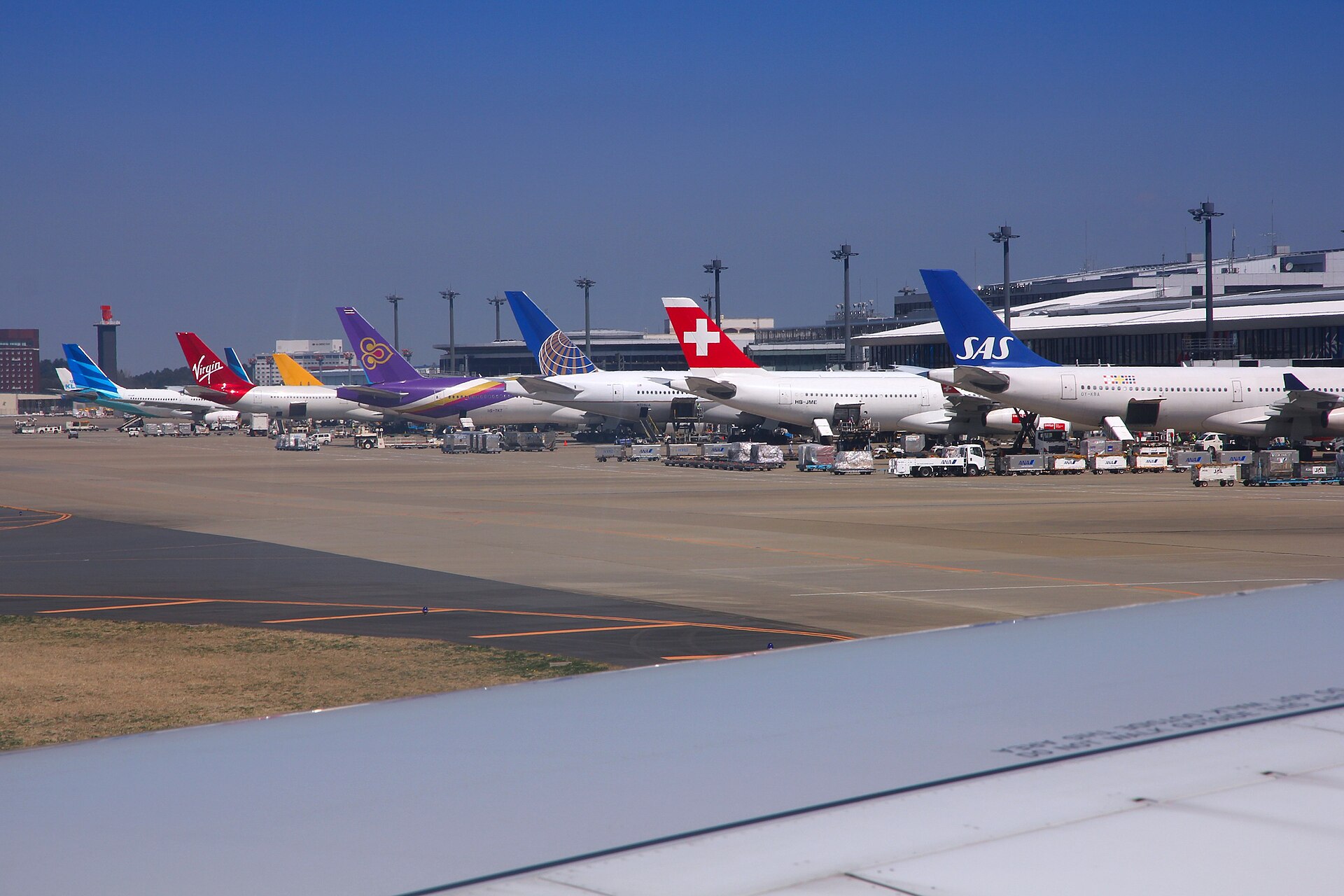
The better airport for central Tokyo is the one that fits your first hotel, not the one that looks closest on a map. From Narita, a direct train can be worth more than a cheaper route with luggage and a crowded interchange. From Haneda, the choice is usually between the Tokyo Monorail for Hamamatsucho and Yamanote Line connections, or Keikyu for Shinagawa and onward trains. Start with your arrival terminal, hotel neighbourhood and how much changing trains you want to do.
This guide covers the first-city transfer only. Routes, fares and service patterns can change, so these details were checked on 2026-08-04; use the official route finders again for your actual flight and hotel before buying a ticket. For the wider trip, see the Tokyo travel guide and Chiba travel guide.
The quick choice
| Arrival and first base | Usually start with | Why it fits | Check before committing |
|---|---|---|---|
| Narita → Tokyo Station, Shibuya or Shinjuku | Narita Express (N’EX) | Direct rail to major central and west-side stations can remove one tiring transfer. | Your terminal, the actual train stop, departure time and whether the hotel is still a walk or subway ride away. |
| Narita → Ueno, Nippori or north/east Tokyo | Keisei Skyliner | Its Nippori and Keisei Ueno endpoints suit these bases and make north/east-side connections simpler. | Whether the last transfer is easier from Nippori or Ueno, not just the advertised rail time. |
| Haneda → Hamamatsucho, Shimbashi or a Yamanote Line base | Tokyo Monorail | It reaches Hamamatsucho, where you can continue on JR lines. | Your terminal station, the JR transfer and any conditional discount-ticket dates. |
| Haneda → Shinagawa or south/west Tokyo | Keikyu Line | Shinagawa can be the cleaner interchange for many south-side and Shinkansen connections. | The exact through service and whether a bus or taxi is kinder after a late arrival. |
The table is a starting point, not a timetable. Tokyo hotels often use a familiar district name while sitting a long walk from that station. Put the hotel address into the airport’s own route search, then compare the last transfer with bags in mind. A route that is a few minutes slower but ends at the right station is usually the calmer first-day choice.
From Narita: choose the train by your Tokyo-side endpoint
Narita is in Chiba Prefecture, well east of central Tokyo, so the arrival decision starts before you board. Narita Airport’s official rail page lists the airport stations for Terminal 1 and for Terminals 2 and 3, and says the terminal walks are about five minutes for Terminal 1 and Terminal 2, and about ten minutes for Terminal 3. Confirm your terminal before following signs: using the wrong station can erase the small time advantage you hoped to gain.
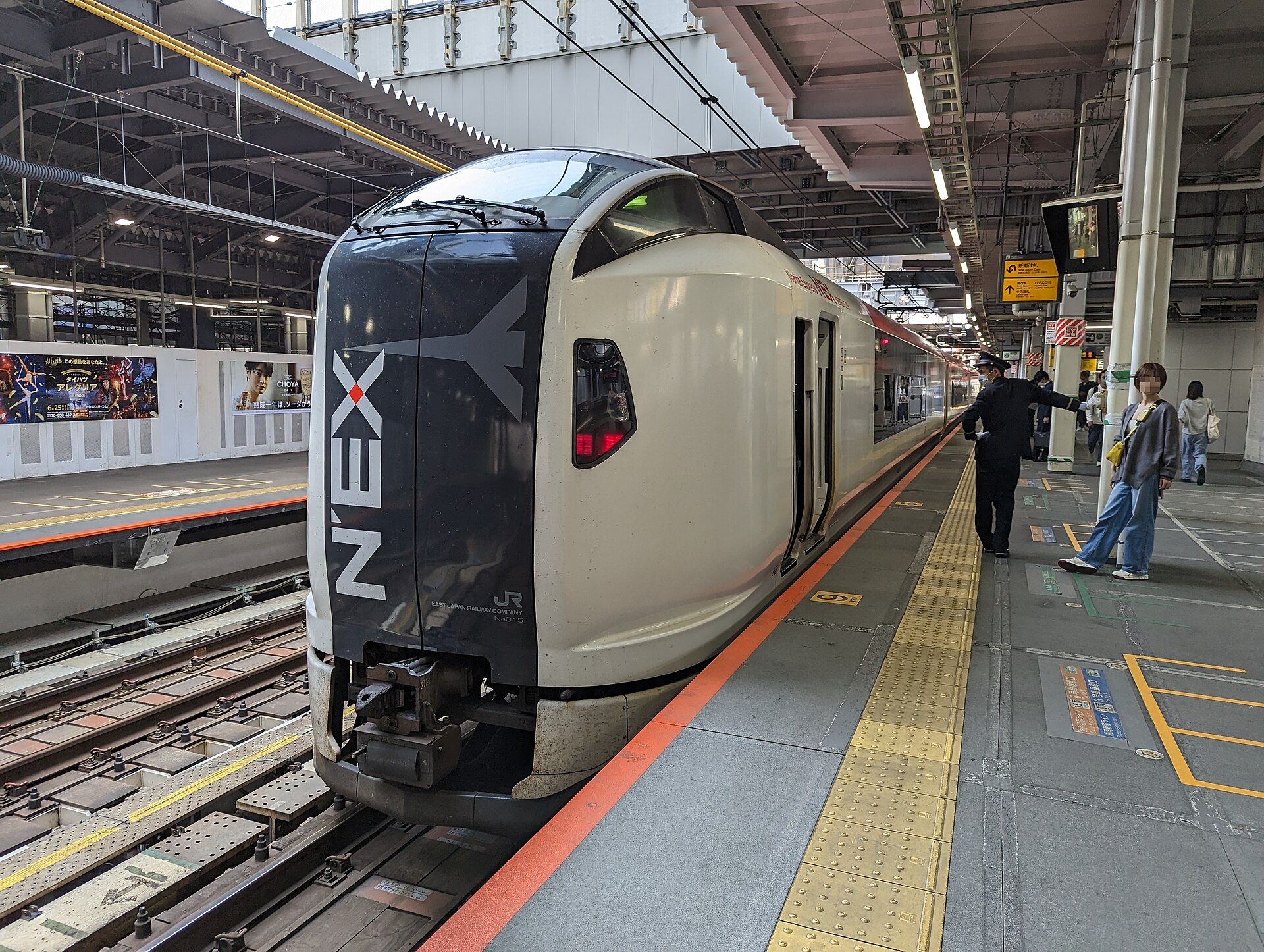
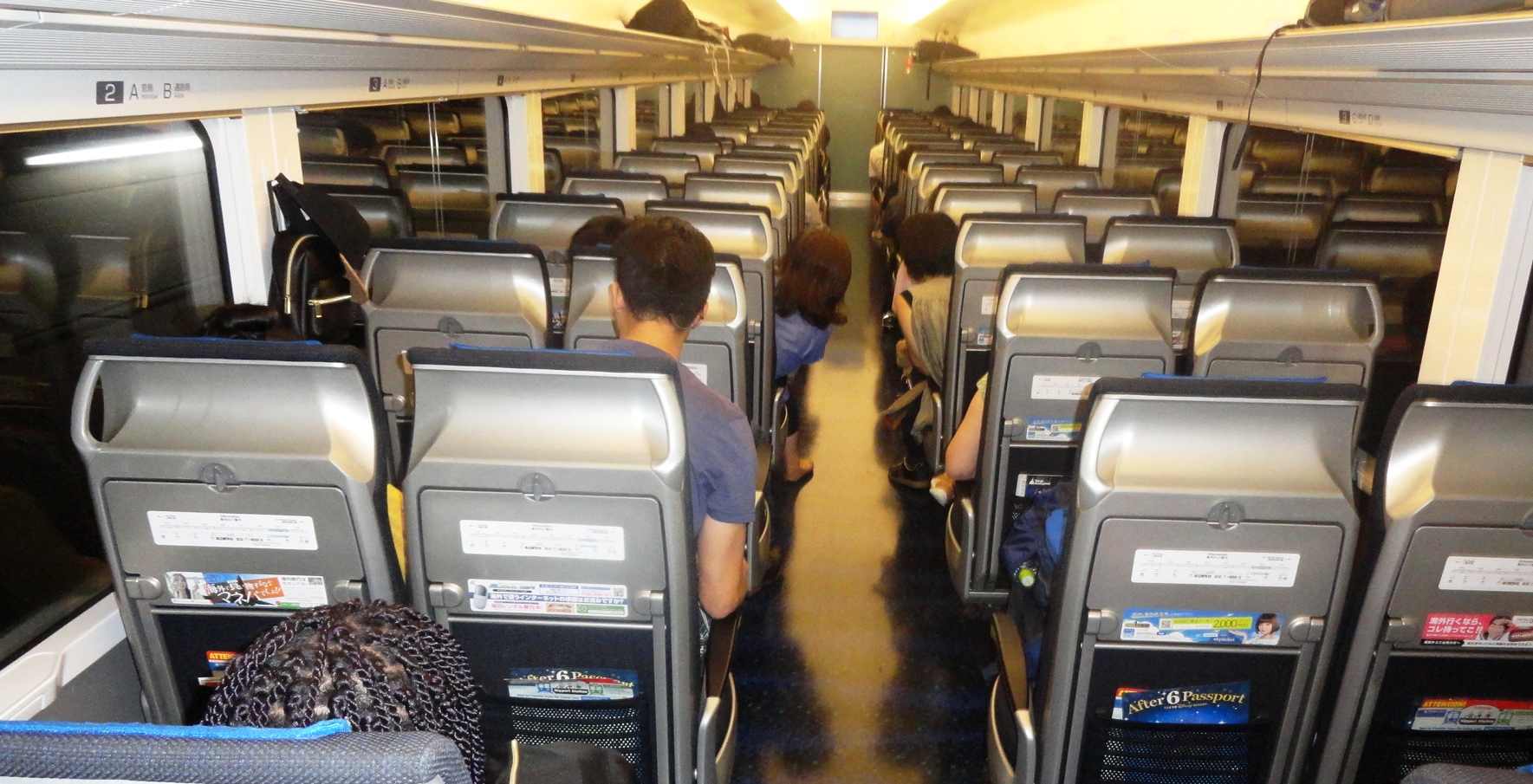
Choose the Narita Express when a direct seat to Tokyo Station, Shinagawa, Shibuya, Shinjuku or Yokohama makes your first transfer easier. The airport lists those major destinations on the N’EX route. This is the sensible option when your hotel is near one of those stations, when you have larger bags, or when you would rather make one familiar city transfer later than several airport-side decisions at once. It is not automatically best for every Tokyo address: a Ueno-side hotel can make a Skyliner endpoint more practical.
Choose the Keisei Skyliner when Nippori or Keisei Ueno puts you close to your next line or hotel. It is particularly useful for Ueno, Asakusa-adjacent and north/east Tokyo itineraries, but be honest about the final leg: Keisei Ueno and JR Ueno are close rather than the same station, and a station-to-hotel walk can matter after a long flight. Keisei’s international e-ticket is for non-Japanese citizens and its station purchase options differ from its online ticket products, so check the current purchase method rather than assuming every fare is interchangeable.
From Haneda: decide whether Hamamatsucho or Shinagawa is your useful gateway
Haneda is in Tokyo and is usually the shorter city transfer, but the terminal and final station still decide the right line. The airport’s official access page lets you search routes, departure and arrival times, and fares by terminal and destination. Do that search after you know whether you land at Terminal 2 or Terminal 3; do not rely on a route screenshot made for another terminal.
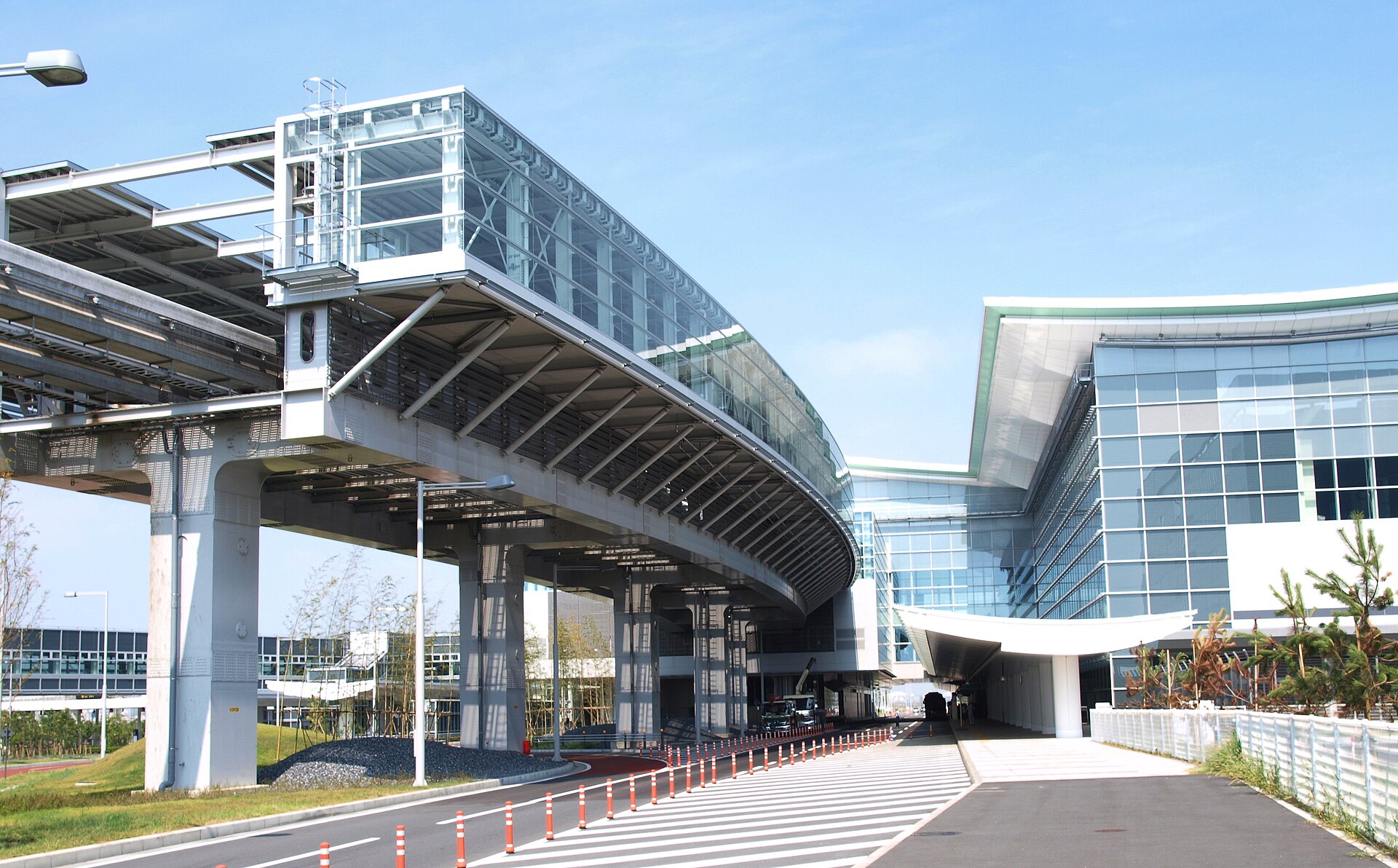
The Tokyo Monorail is the natural first check when Hamamatsucho, Shimbashi or a Yamanote Line connection works for your hotel. It gives you a clear rail route from the airport terminals to Hamamatsucho, then a JR transfer for many central districts. There is one useful but limited price check: the Monorail and Yamanote Line Discount Ticket is ¥590 for the specified airport terminals through Hamamatsucho to a Yamanote Line station, but it is sold only on listed weekends, holidays and select dates. Treat it as a conditional option, not the standard fare; check the operator’s current sale calendar.
Keikyu is often worth comparing when Shinagawa is closer to your first base, you are continuing on a Shinkansen, or your route is better served from the south side of the city. The important question is not “monorail or Keikyu?” in the abstract. It is whether Hamamatsucho or Shinagawa leaves you with the smaller, clearer final move. If you are continuing to Yokohama or elsewhere south of Tokyo, compare the route with the Kanagawa travel guide open as well.
When an airport bus is the better answer
Rail is not always the kindest choice. Consider an airport bus when your hotel has a listed stop, you are arriving with children or bulky luggage, or the final rail transfer would involve stairs and a long walk. The trade-off is road traffic, so do not use a bus for a connection with no slack. For a late flight, compare the last train, the bus’s actual stop and a taxi cost before you leave the arrivals hall.
A five-minute arrival check that prevents bad transfers
- Confirm the terminal: Narita Terminal 1 and Terminals 2/3 use different station names; Haneda route choices also begin at a terminal-specific station.
- Choose the city gateway first: Tokyo/Shinjuku/Shibuya, Ueno/Nippori, Hamamatsucho or Shinagawa is a more useful starting decision than “fastest train”.
- Check the last leg with bags: look for the walk from station exit to hotel, not just the line diagram.
- Check the last service if you arrive late: the airport’s live route finder is more reliable than an old blog timetable.
- Keep a backup: know the airport-bus or taxi option if immigration, baggage reclaim or a delayed flight makes the last train unrealistic.
In short: from Narita, pay for a route that puts you close to the correct Tokyo-side station; from Haneda, choose the gateway that makes your first interchange smallest. That decision will usually matter more than saving a few minutes on the airport train itself.
Sources checked: Narita Airport rail access, Keisei Skyliner e-ticket FAQ, Haneda Airport access, and Tokyo Monorail’s Yamanote Line Discount Ticket. Checked 2026-08-04.