
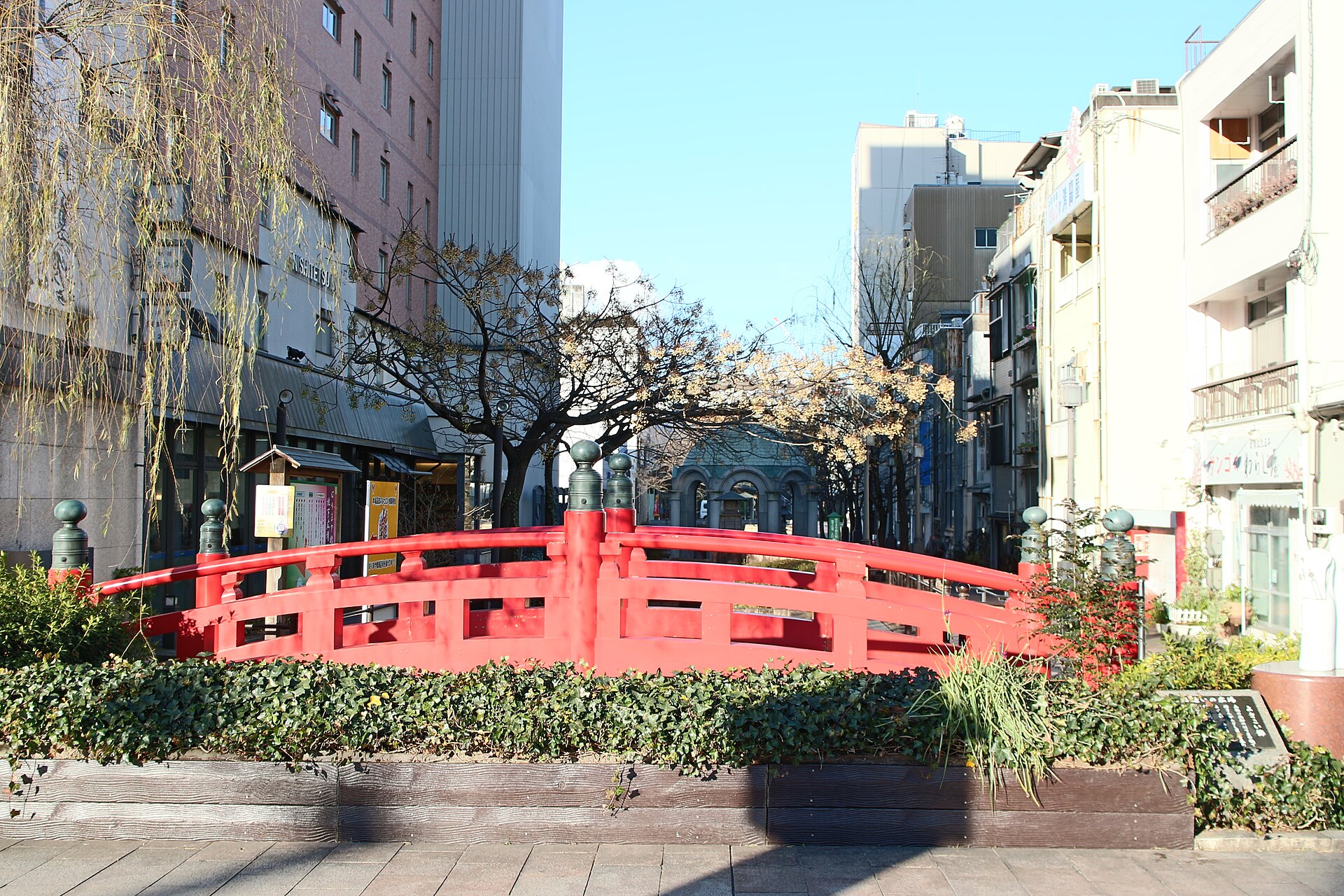
Choose the JR Kochi Station area if an early train, a late rail arrival or heavy luggage is the fixed part of your trip. Choose Harimayabashi if the airport-bus stop and a central-city evening matter more, provided your chosen hotel really is close to the right stop. These are base choices, not promises that every hotel in either district has the same walk or price. Check the official transport and hotel pages for your travel date before booking.
| Decision point | Kochi Station area | Harimayabashi area |
|---|---|---|
| Arrival | Best when the fixed leg is a JR train and you want the shortest practical last mile after arrival. | Best when the airport bus or a downtown stop fits your actual hotel entrance; confirm the bus stop. |
| Walkability | One named example, JR Clement Inn Kochi, says about two minutes on foot from JR Kochi Station. Do not generalize that to every listing. | One named example, Kochi Terminal Hotel, is in front of Harimayabashi Bus Terminal. Test the walk to other addresses separately. |
| Local mobility | Start rail-led mornings at the station. A tram or local bus adds a separate journey for downtown plans. | Harimayabashi is a streetcar transfer point; JR departures require a trip back to the station. |
| Evening fit | Easy if the night is mainly a reset before a train; allow time to visit the centre and return. | Useful if dinner and a central-city walk matter; check your exact route to Hirome Market and each stall’s hours. |
| Stay length | One transit night or several days with repeated early JR starts. | A city-focused night or several days whose evenings are more important than early rail departures. |
| Trade-off | The station is close, but you may make an extra trip into town for dinner or sights. | The evening may be easier, but each rail day begins with the station transfer. |
Before booking, check the current airport-bus timetable and stops, the property’s own access and room terms, and any streetcar connection for your travel date. The hotel names below are location examples, not endorsements or area-wide averages.
Rail arrival and early departure: test the station walk
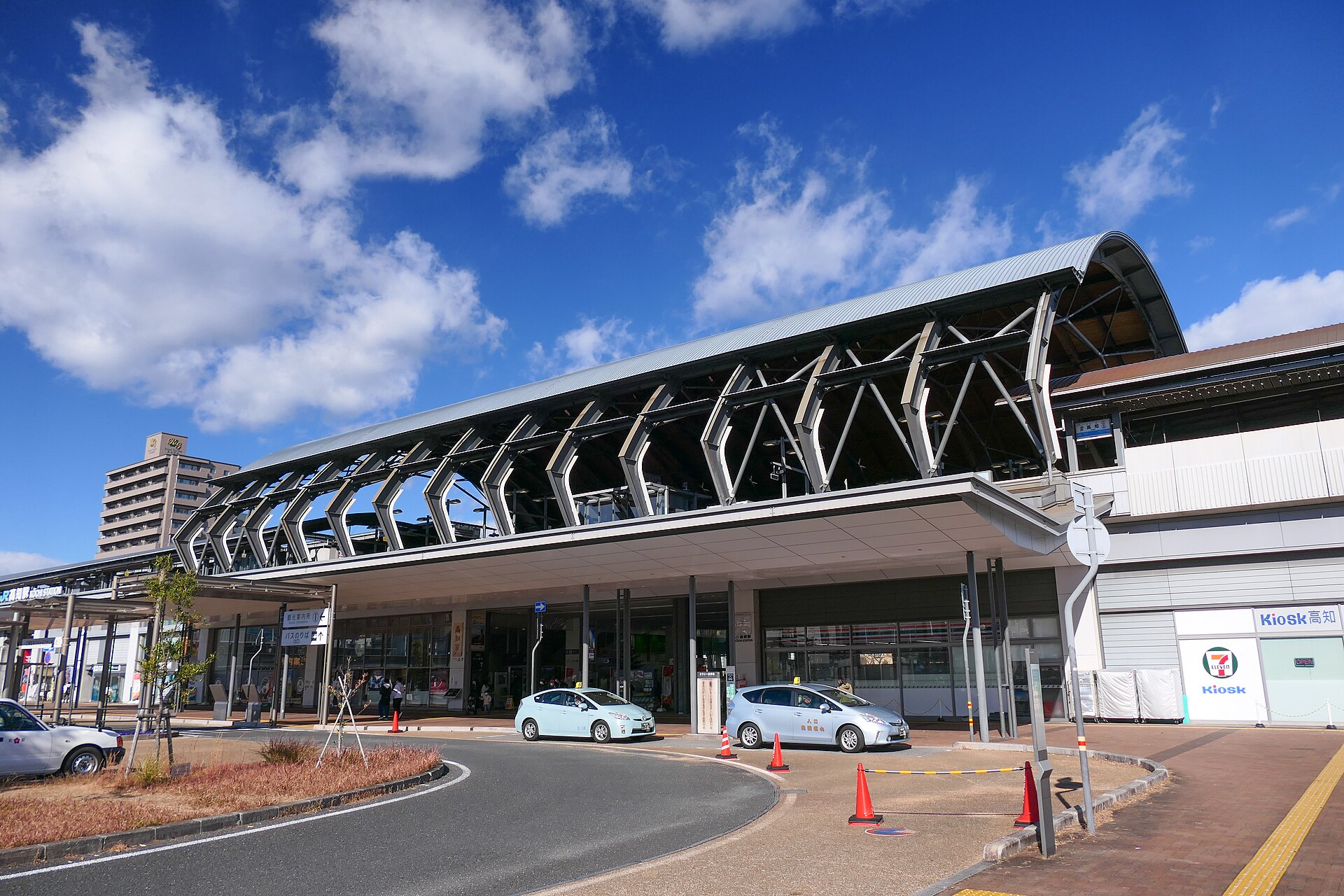
If the next morning is governed by a train, put the most time-sensitive movement on the shortest side of your stay. JR Clement Inn Kochi describes itself as a two-minute walk from JR Kochi Station. That concrete property is a useful benchmark; another hotel advertised as “station area” might be farther from the correct exit. Open its access map and count the complete platform-to-door route, especially if you will carry bags or need step-free access.
Staying by the station does not exclude a downtown meal. It changes which part of the evening involves a local ride or walk. If your train leaves early or you will make several rail day trips, that repeated station journey is worth counting for every morning. If you only take one train on your final day and have a long evening in town, the station’s convenience may be less valuable than the extra movement it creates after dinner.
Airport-bus arrival: pick the stop before picking the hotel
The Tosaden airport-bus page links current schedules and fare tables and shows both Kochi Station and Harimayabashi in its city-side stop plan. Do not assume every bus, stop or timetable is interchangeable: match the actual flight, bus operator, direction and hotel entrance. The operator also cautions that buying a mobile ticket does not reserve a seat. Leave a buffer rather than promising yourself a precise hotel check-in time from an airport arrival.
A named Harimayabashi reference is Kochi Terminal Hotel, which says it is directly in front of Harimayabashi Bus Terminal and describes JR Kochi Station as about five minutes away by car. This is a location example, not a claim that Harimayabashi is universally better for airport arrivals. If another property’s front door is several blocks from the bus stop, a station-side hotel may still produce the easier total journey. Check which side of the road the bus uses and whether you must cross the intersection with luggage.
Harimayabashi is also a streetcar transfer point in Tosaden’s rider guide. That helps a visitor who will cross the centre, but a tram is not a guaranteed hotel shuttle. Count the walk to the platform, waiting time, transfers and the final walk. For a very early departure or a late evening, confirm the live service first; a taxi may be simpler, but its price must be compared with your actual route.
Does the central evening justify another station trip?
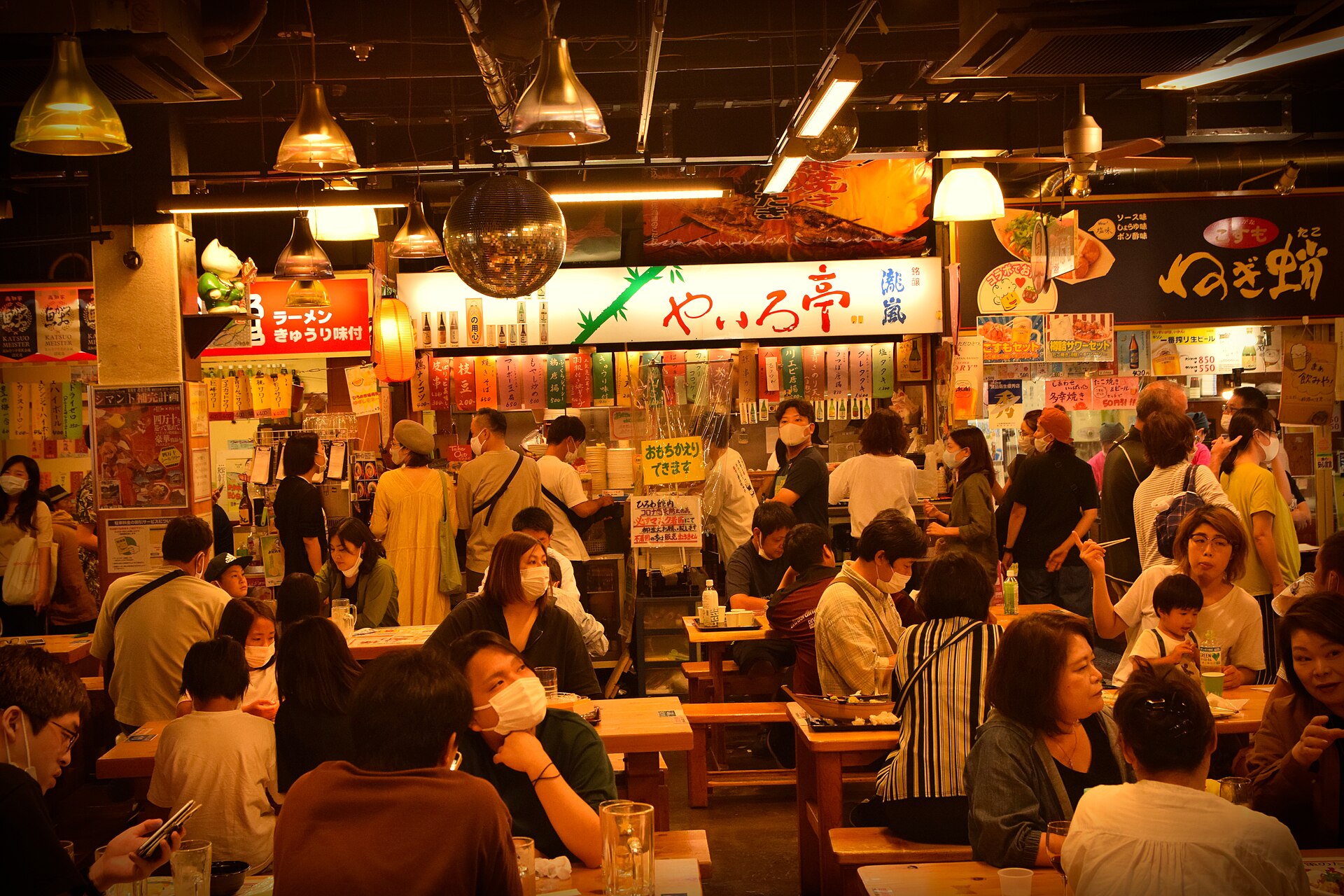
The official Kochi tourism listing for Hirome Market places it in the centre, describes a roughly 15-minute walk from JR Kochi Station and identifies Ohashidori tram stop as another access point. The shared-stall setting can be a good reason to stay centrally when dinner is part of the trip, but the listing also warns that individual shops have different hours and closures. Check the specific place you hope to eat; do not choose a hotel on the assumption that every stall will be open when you arrive.
Nor is “Harimayabashi” an exact hotel address. Some rooms are closer to the tram junction, some closer to the shopping streets, and others require another walk. Trace the actual door-to-market and door-to-airport-bus route on a map. If those are the movements you will repeat, a central base may make the trip feel less like a sequence of transfers. If sightseeing is only a short add-on to rail day trips, the extra JR transfer can outweigh that evening gain.
Compare live room prices on equal terms
There is no defensible fixed rule that station hotels are cheaper or that Harimayabashi hotels cost more. Search both bases for the same night, number of guests and room type. Compare the final amount including taxes, breakfast, cancellation deadline and any luggage-storage or parking needs. Then add the bus, tram or taxi legs you will actually take—not a generic area average. A room that appears cheaper may lose its advantage if you repeat a paid transfer on each morning; a room near the station may save no money if you taxi into the centre every night.
- One night before an early JR train: start with a genuinely short station walk. Take a central room only if the evening has enough value to justify the return trip.
- Arrival by air and a downtown evening: start with the bus stop and actual hotel address around Harimayabashi, then verify the station journey for the next day.
- Several rail-led day trips: count each morning’s door-to-platform time. Repetition usually strengthens the station case.
- Several relaxed city days: count the dinner and local-transit trips instead. A central base may be worth the station transfer on one departure day.
- Mobility limits, children or large bags: prioritize the exact exit, crossings and step-free path over either district name.
The choice rule is simple: put your least flexible movement beside the hotel. If that is the JR departure, choose Kochi Station; if it is an airport-bus stop plus a central evening, start with Harimayabashi. Verify the final door-to-door route and live room quote before booking. Use the Kochi travel guide for a wider prefecture plan; neighboring Ehime and Tokushima guides help if this night is part of a Shikoku route.
Image credits: Harimayabashi by Suicasmo (CC BY-SA 4.0); JR Kochi Station by MaedaAkihiko (CC BY-SA 4.0); Hirome Market by Raita Futo (CC BY 2.0). Images resized for web display; no content edits.
Official sources: JR Clement Inn Kochi, Kochi Terminal Hotel, Tosaden airport buses, Tosaden streetcar guide, and Kochi tourism’s Hirome Market listing.




.jpg)