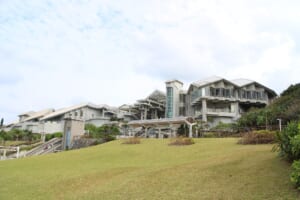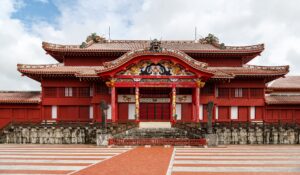
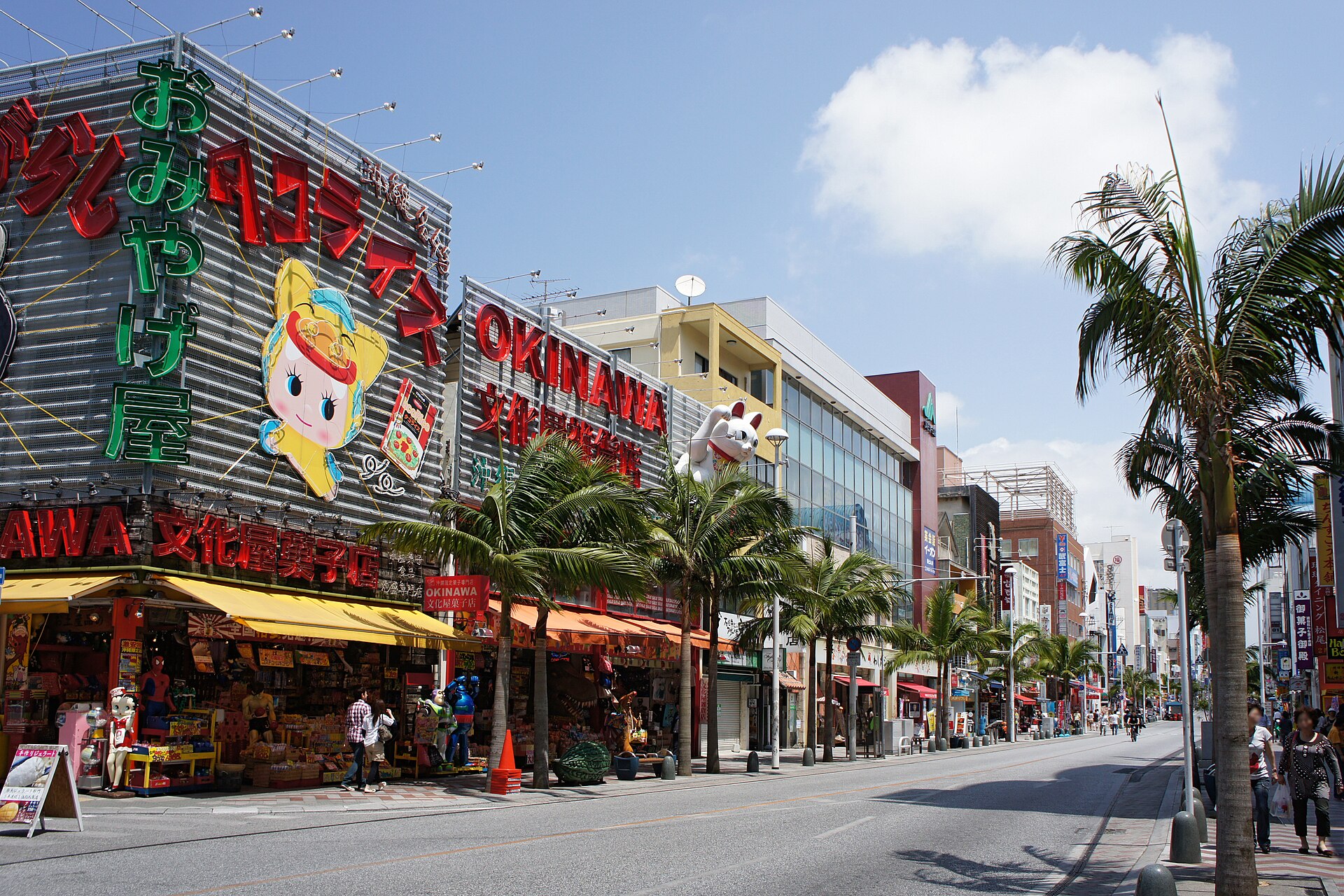
Where you stay in Naha decides whether the city feels like a walkable evening base or a more deliberate stop between the airport, the monorail and the rest of Okinawa. Choose Kokusai-dori when you want food, small streets and the city centre to be the easy default after you put down your bag. Choose Omoromachi when a quieter, more modern Yui Rail base and a planned city day matter more than sleeping beside the main thoroughfare. The useful choice is not simply busy versus quiet: it is whether your evenings or your transport rhythm should shape the stay.
As of 2026-09-06, the Official Okinawa Travel Guide describes Kokusai Street as a 1.6-kilometre stretch of shops, cafés, bars and restaurants, with smaller streets and the Makishi market area branching nearby. It also identifies Naha Main Place in Omoromachi as a separate shopping area. Yui Rail’s current English site lists both Makishi and Omoromachi stations on the airport line. Use those facts to choose the base, then check the live timetable and your hotel-to-station walk before booking.
| If this is the priority | Choose | Why it fits |
|---|---|---|
| Walkable dinners, souvenirs, market-side streets and a lively first night | Kokusai-dori | Make the central street and its side lanes the place you can return to without planning another ride. |
| A calmer city base, Naha Main Place and a defined rail stop | Omoromachi | Use a more planned neighbourhood and its Yui Rail station as the anchor for airport and city movements. |
| A very short Naha stay with a late arrival | Kokusai-dori, if the evening is the point | It gives the first night a walkable purpose instead of turning dinner into another transport decision. |
| A rental-car handover or a fixed airport movement | Choose by the actual handover point | Confirm the provider’s live office and the rail timetable; neither area is automatically best for every car plan. |
Choose Kokusai-dori when Naha itself is part of the trip
Kokusai-dori is the better base when you want the first evening to work on foot. The official Okinawa guide calls it Naha’s energetic main street and describes a long corridor of shops, restaurants and bars, with covered arcades and smaller streets around the Makishi area. That gives a short city stay a simple rhythm: arrive, settle in, walk out for dinner, and leave the detailed sightseeing decision for the next morning.
The trade-off is that this is a lively central stay, not a promise of a silent room or a universal airport shortcut. Choose a hotel only after checking which end of the street it occupies and which Yui Rail station is practical on your actual arrival date. The official three-day guide notes access from both Prefectural Office and Makishi stations, so the street is not one single station choice. If your flight lands late, make the hotel-to-station movement and check-in time visible before you commit.
Choose Omoromachi for a planned rail-and-city base
Omoromachi is the better answer when you prefer a defined station base over being beside the main evening street. The official Okinawa guide identifies Naha Main Place in Omoromachi among the city’s shopping options, while Yui Rail lists Omoromachi as a stop on its airport-to-city network. This gives the area a clear practical role: use it when the rail connection, a modern city district and a more settled daytime plan are more important than stepping directly into Kokusai-dori after dinner.
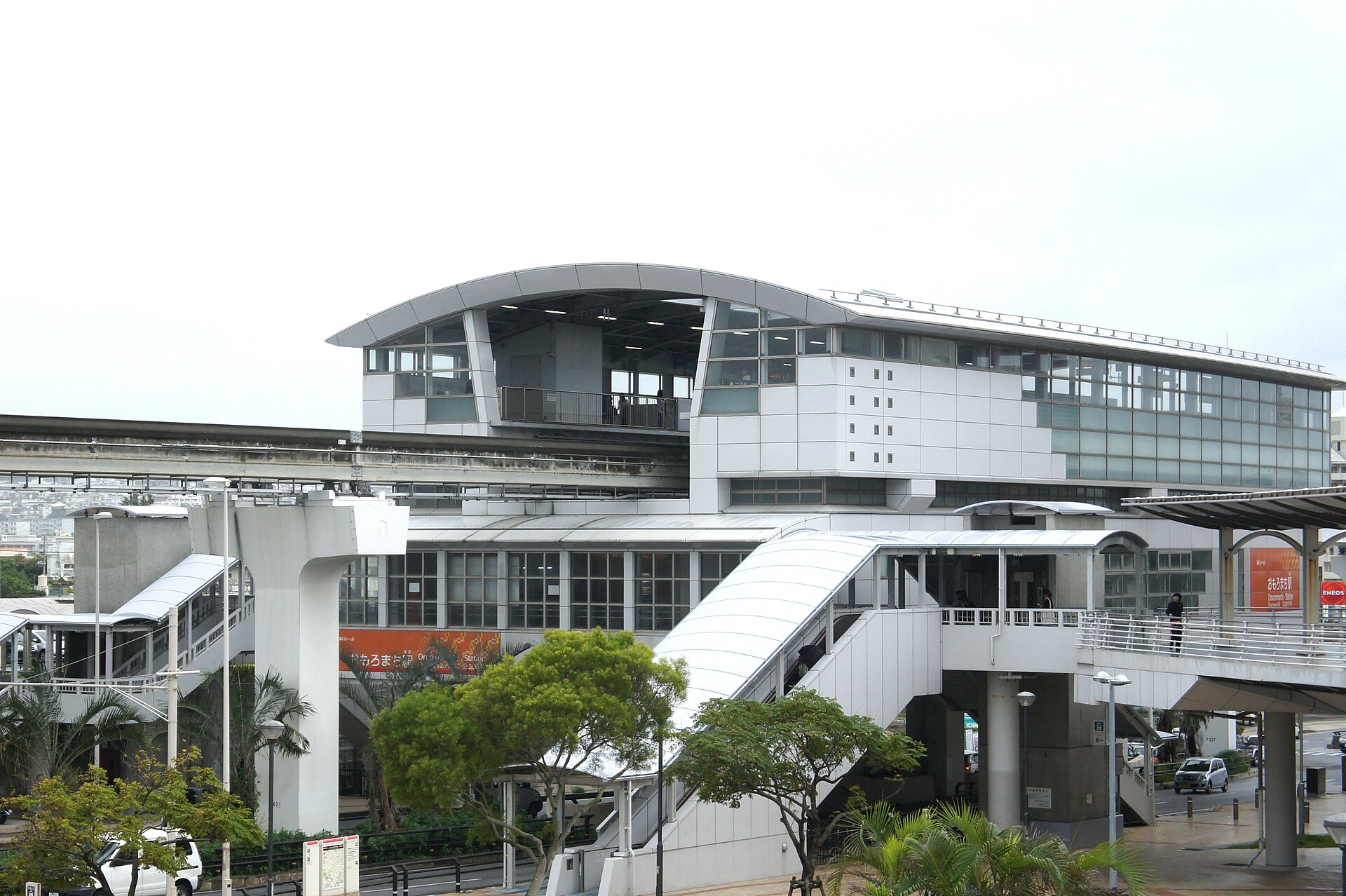
Do not choose Omoromachi merely because it looks central on a map. Open the live Yui Rail page for your travel date and check the station direction, last useful train and the walk from the actual hotel. The operator’s Omoromachi page provides a date-selectable timetable and fare information; that is better evidence than a copied arrival-time claim. Omoromachi works best when you will actually use the rail line or the district’s daytime facilities, not when the central night streets are the entire purpose of the stay.
Make airport and onward movements break the tie
Naha is a gateway to the rest of the prefecture, with flights and ferries connecting onward destinations. That makes the final movement as important as the first. If you arrive late and want one easy evening, Kokusai-dori usually gives the clearest city-centre reward. If you need to leave on the monorail, visit a particular modern district or keep the city stay structured, Omoromachi can be the calmer base. If a rental car collection or return is non-negotiable, choose the hotel only after confirming the provider’s current office and opening conditions.
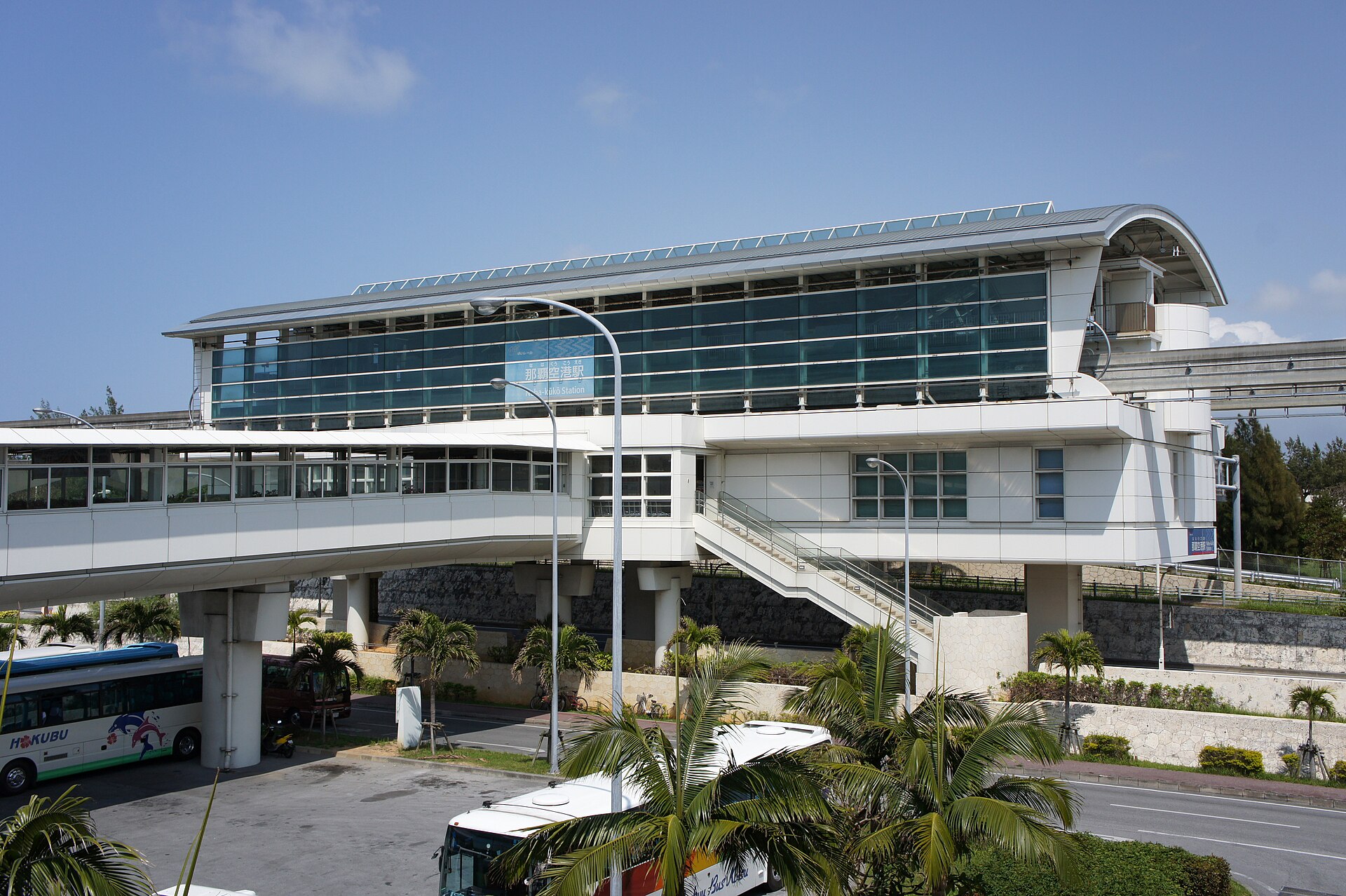
Avoid splitting hotels just to try both areas unless the itinerary genuinely changes. A two-night Naha stay is usually easier when one area carries the whole city rhythm. Use Kokusai-dori for a walk-and-eat-led stay, or Omoromachi for a rail-and-plan-led stay; then make day trips, Shuri and the north-island route separate choices rather than reasons to move rooms automatically.
A short Naha booking check
- Name the first evening. If it is food and city walking, start with Kokusai-dori.
- Name the fixed transport move. If it is Yui Rail and a defined station base, compare Omoromachi hotels first.
- Check the actual station walk. Kokusai-dori has more than one useful access point; the hotel address matters.
- Open the live monorail timetable. Do not assume a timetable or special service from an old itinerary.
- Confirm any rental-car handover directly. The provider’s current office, not a neighbourhood label, decides that part of the stay.
The short answer
Stay around Kokusai-dori when a walkable first evening and the central Naha streets are the reason to sleep in the city. Stay in Omoromachi when a calmer rail-connected base and a more planned city rhythm are the reason. Continue with the Okinawa travel guide, the Shuri Castle guide, and the Churaumi Aquarium guide when placing Naha in a wider Okinawa itinerary.
Sources checked: Official Okinawa Travel Guide: Naha, Official Okinawa Travel Guide: Naha itinerary, Yui Rail, and the Omoromachi timetable. Checked 2026-09-06.