From Hiroshima Station, take JR to Miyajimaguchi if your priority is reaching the ferry sooner; take Hiroden line 2 if a lower fare or a stop in central Hiroshima matters more. Neither tram nor train reaches Miyajima Island. Both routes end on the mainland and require a ferry across the channel.
| Decision axis | JR train + ferry | Hiroden tram + ferry |
|---|---|---|
| Fare and cost, one adult one way | JR Hiroshima–Miyajimaguchi about ¥420, JR ferry ¥200, plus ¥100 visitor tax on the inbound crossing: about ¥720 total. | Hiroden line 2 ¥240, ferry ¥200, plus the same ¥100 inbound visitor tax: about ¥540 total. |
| Journey time | About 28 minutes on the train, around five minutes on foot to the pier, and about ten minutes on the ferry; add waiting and boarding time. | About 66 minutes on line 2 to Hiroden-miyajima-guchi, a short walk to the pier, and about ten minutes on the ferry; add waiting and boarding time. |
| Transfers | Leave JR Miyajimaguchi Station, follow the underpass and terminal signs, then board a ferry. | Leave the Hiroden-miyajima-guchi terminus beside the pier area, then board a ferry. |
| Booking | Ordinary local train and scheduled passenger ferry are not advance-reservation choices; check fares and the day’s sailing. | Ordinary line 2 tram and scheduled passenger ferry are not advance-reservation choices; check fares and the day’s sailing. |
| Arrival and onward plan | Good from Hiroshima Station or for a time-limited island visit. Both ferry operators land at Miyajima. | Useful if you also want a city-centre tram journey or are already near a line 2 stop. Both ferry operators land at Miyajima. |
| Best for | Choose JR when mainland speed and a simple station-to-pier walk matter most. | Choose Hiroden when budget or central Hiroshima stops matter more than mainland speed. |
| Trade-off | The rail leg costs roughly ¥180 more than the tram but is about 38 minutes quicker before the pier transfer. | The mainland fare is lower, but the through tram ride is much longer; neither route removes the ferry or tax. |
These are route-comparison figures, not a guaranteed door-to-island schedule. The Hiroshima Prefecture comparison lists the JR leg at ¥420; JR West Miyajima Ferry gives about 28 minutes for the train. Hiroden’s fare page lists ¥240, and its line 2 guide gives about 66 minutes. The operator’s Japanese ferry fare page lists ¥200 plus the ¥100 visitor tax when entering the island. Check the official JR, Hiroden and ferry fare and timetable pages for your travel date before booking or setting a fixed return time.
The fastest route: JR to Miyajimaguchi, then walk to the ferry
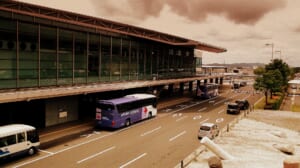
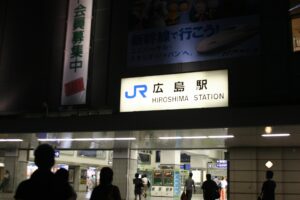
At Hiroshima Station, use the JR Sanyo Line toward Iwakuni and alight at JR Miyajimaguchi. This is the mainland station, not Miyajima’s island pier. Exit the station, use the signed underpass toward the Miyajimaguchi passenger terminal, and allow a short walk before ferry ticketing and boarding. The published train and ferry times add to roughly 43 minutes of movement, but a sensible plan adds platform waiting, the underpass, possible queues and a ferry connection. A quoted 28-minute rail ride is not a promise that you will step onto the island in 28 minutes.
For a morning island visit, JR usually protects more time on Miyajima itself. It also helps if you are arriving at Hiroshima Station by shinkansen with luggage, or if you must be back for a long-distance train. The cost difference in the table is the mainland leg: the ferry and entry tax apply whichever mainland route you chose. A rail pass may change your personal out-of-pocket cost, but check the precise pass’s JR local-train and ferry validity rather than assuming every ticket includes both. The JR West pass rules also explain that the visitor tax is separate.
The lower-fare route: Hiroden line 2 to the mainland terminus
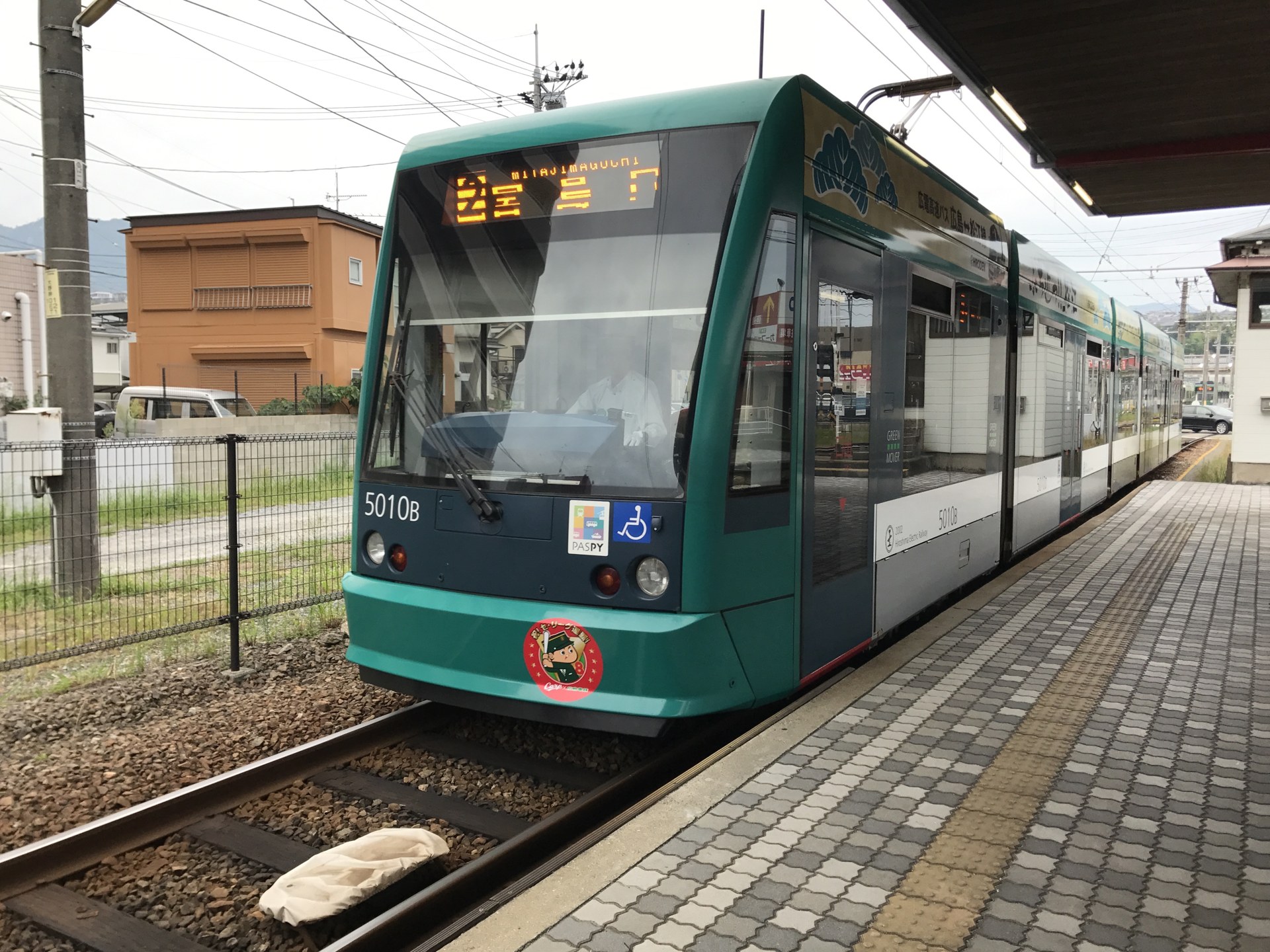
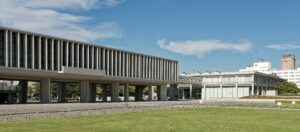
Hiroden line 2 runs from Hiroshima Station through the city to Hiroden-miyajima-guchi. Look for the destination on the vehicle: not every tram you see at Hiroshima Station goes all the way to the pier. This is a useful route if your day begins near a city-centre line 2 stop, especially when a stop around the Peace Memorial Park area is part of the plan. From Hiroshima Station itself, the operator’s approximate 66-minute tram ride is substantially longer than the JR ride. Its lower ¥240 fare does not make the ferry free.
At Hiroden-miyajima-guchi, follow the pedestrian signs to the same mainland ferry-terminal area. Pay attention to the return journey: a tram ride that felt leisurely in the morning can consume valuable time before an evening restaurant reservation or onward train. The Hiroden schedule has the terminal’s direction and last-service information; verify your actual day and allow a buffer. If you want the fastest journey one way and the city-street experience the other, there is no rule requiring you to return by the same mainland mode.
At Miyajimaguchi: the ferry and visitor tax are shared steps
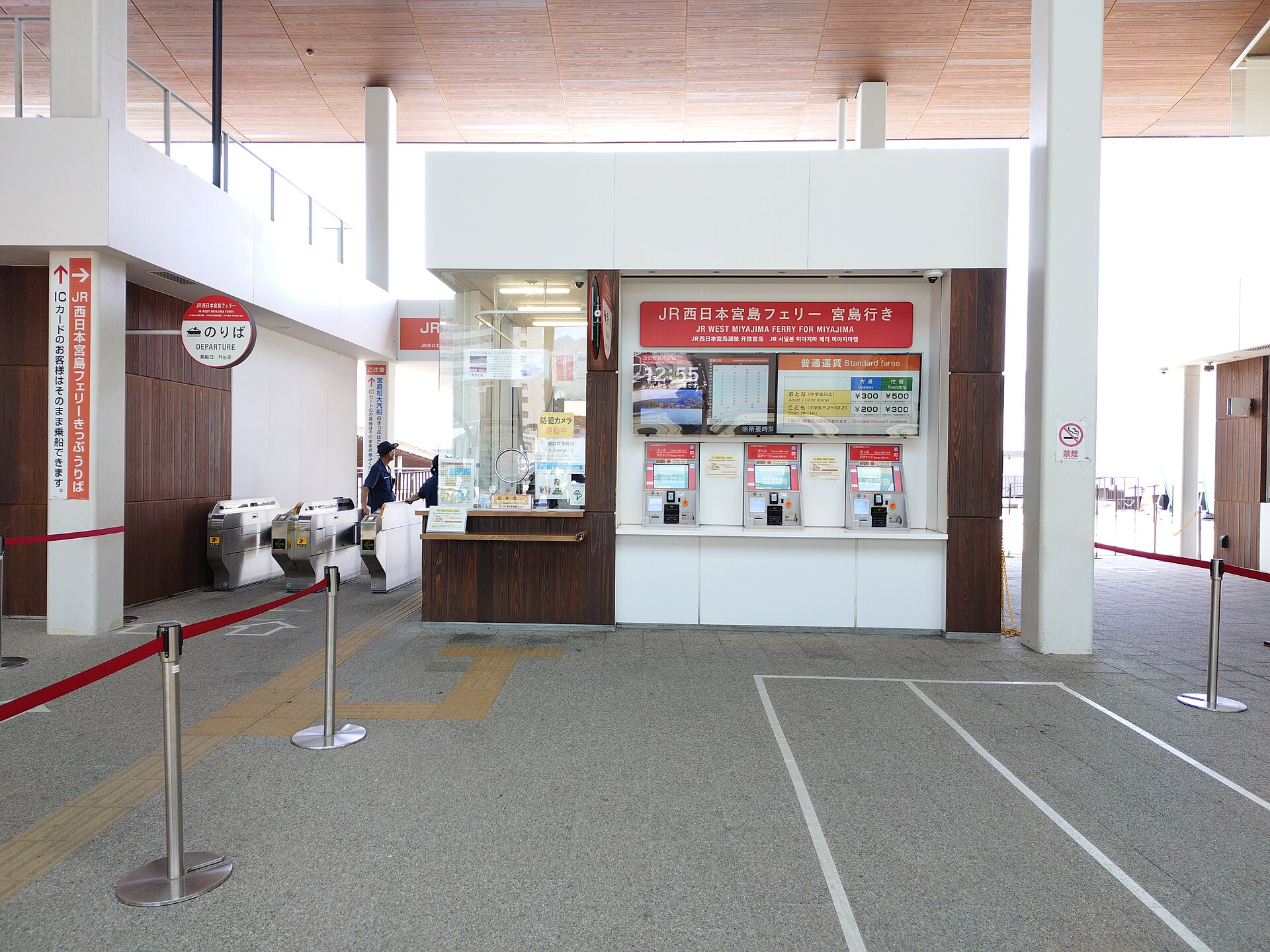
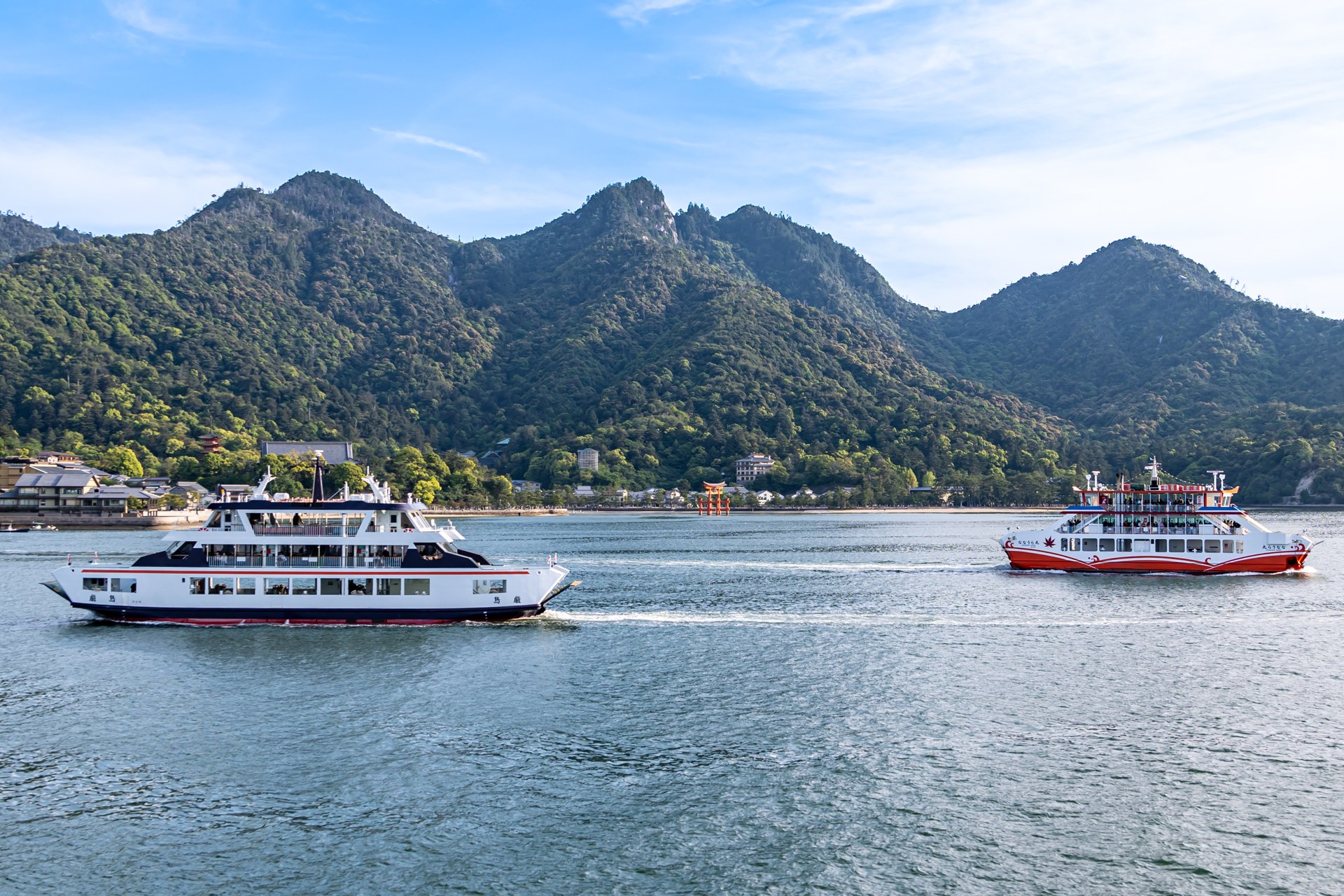
Miyajimaguchi has two scheduled passenger-ferry operators. JR West Miyajima Ferry and Miyajima Matsudai Kisen both show a standard adult fare of ¥200 one way; the ¥100 Miyajima Visitor Tax is added when travelling from the mainland onto the island. It is an entry charge, not another ¥100 for the return crossing. Follow the sign for the operator whose departure, ticket or pass suits you. Do not walk to a gate simply because the boat is visible: confirm the terminal, fare and sailing first.
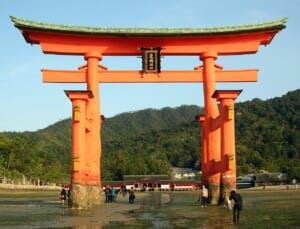
The JR ferry’s published crossing takes about ten minutes. Its timetable highlights some daytime departures that approach the Great Torii more closely, but sea conditions can alter that route. If a Torii view is important, use the ferry’s current timetable and operation notices; do not plan an unrepeatable photograph around a guaranteed passing distance. The ferry photograph above is route context, not a promise about today’s vessel or tide. The Miyajima Tourist Association’s tide information is a separate check if the appearance of the shrine and Torii is central to your visit.
Which route should you take back?
Work backward from the journey after Miyajima, not just the outbound fare. First check the ferry back to Miyajimaguchi, then either the JR service to Hiroshima Station or line 2’s return service. A late ferry cannot rescue a missed mainland connection, and a fast rail ride does not help if you left the island too late to reach the pier. Leave time to walk from the shrine area to Miyajima’s pier, board the ferry, cross, and move from the mainland terminal to your chosen station. Avoid treating the last published departure as your only workable option.
Choose JR both ways for a short visit based at Hiroshima Station; choose the tram when the city journey itself is valuable; or mix them if your departure and return points differ. The Hiroshima guide helps place Miyajima in a wider city stay, while the Itsukushima Shrine guide helps plan what you do after landing. The key distinction remains simple: train versus tram is a mainland choice, and ferry is the final leg for both.
Image credits: Miyajima ferries by Naokijp and Hiroden tram by そらみみ (both CC BY-SA 4.0); ferry ticket gate by Sashimiteishoku (CC0). Images resized for display; no content edits.
Official sources: JR ferry access, JR ferry fares, JR ferry timetable, Hiroden fares, Hiroden schedules, and Hiroshima Prefecture route comparison, Matsudai ferry fares, Miyajima tides, and JR West pass rules.