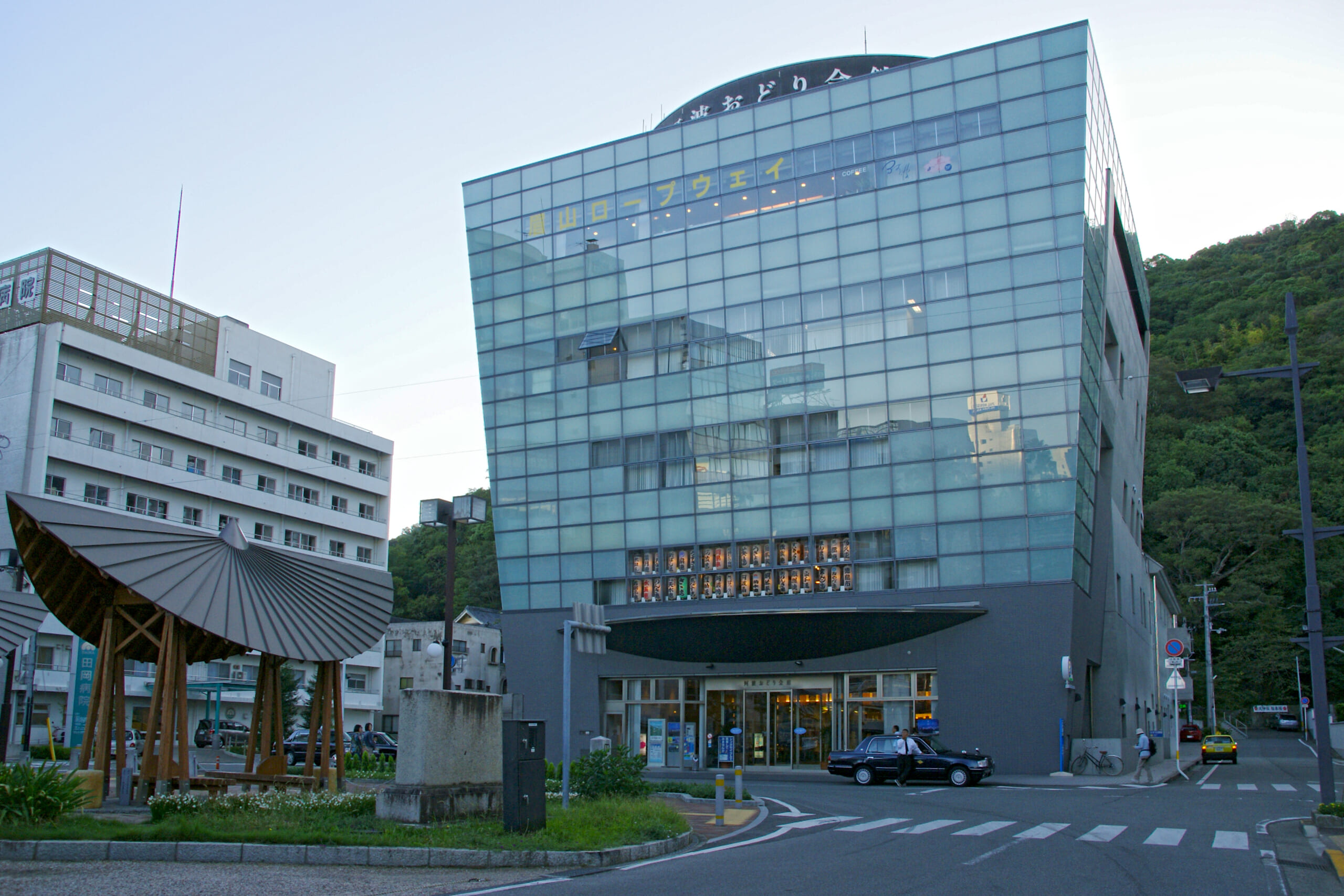
For a first visit to Awa Odori Kaikan, choose the show by the time you can actually spend in Tokushima. The daytime performance is shorter and less expensive; the evening performance is a useful finale after a full day in town. The museum and the Bizan Ropeway are separate additions, not automatically included with a show ticket. This is a year-round indoor introduction to Awa Odori, not a substitute for an August street-festival seat.
| Item | Planning answer |
|---|---|
| Admission | Adult daytime show ¥1,300; evening show ¥1,600; museum ¥500. Ropeway fare is separate. |
| Hours | Day shows 11:00, 14:00, 15:00 and 16:00 (about 40 minutes); evening show 20:00 (about 50 minutes). Museum 09:00–17:00, last entry 16:45. |
| Closed days | Hall normally closes on the second Wednesday of February, June, September and December (following day if a holiday), and December 28–January 1. Special performances or suspensions can differ. |
| Reservation | Individuals and small groups cannot reserve regular-show seats in advance; arrive for the chosen performance. Groups of 20+ have a separate reservation process. |
| Access | 2-20 Shinmachibashi, about 10 minutes on foot from JR Tokushima Station. The Bizan Ropeway lower station is on the building’s fifth floor. |
| Best for | Day show for a flexible daytime stop; evening show for an overnight visitor; museum only for a short cultural break. |
| Trade-off | The evening show is later and costs more; the museum has no live dance. Ropeway hours and fare are separate. |
These prices, times and closure patterns are planning figures. Check the official hall website for your travel date before booking transport, accommodation or a paid show. Also check the hall’s current performance and museum information, its evening roster and any notice for your travel date. Weather or maintenance can affect the separately operated ropeway.
Day show, evening show or museum: the practical comparison
| Choice | Time and adult price | What changes | Best for / trade-off |
|---|---|---|---|
| Day show | Four starts from 11:00 to 16:00; roughly 40 min; ¥1,300 | The resident Awa no Kaze troupe performs, with an audience participation segment. | Best for a daytime stop or onward train. More start times and lower cost, but less useful as an evening finale. |
| Evening show | 20:00; roughly 50 min; ¥1,600 | A well-known troupe rotates by date; the show also includes audience participation. | Best after a full Tokushima day. Longer and later, but leaves a late walk or onward journey to plan. |
| Museum only | 09:00–17:00; adult ¥500 | Exhibits explain the dance’s costumes, instruments and history; it is not the live performance. | Best for a brief cultural stop or a date with no suitable show. Lower cost, but no live dance. |
Choice rule: take the day show if you need to leave Tokushima before dinner or want the lower-priced live option. Take the evening show if you are already staying in town and can protect time after 20:50 for the walk back. Use the museum as a separate short visit, not as a cheaper version of the live show. The performer lineup can change; check the hall’s current night-performance schedule if a particular troupe matters to you.
What a live show actually adds
The building’s second-floor hall presents Awa Odori indoors throughout much of the year. According to the venue’s show description, its resident troupe leads the daytime performances while established troupes rotate at night. Both regular formats include a chance for willing audience members to try the dance. Watching is enough; there is no need to participate. That combination of demonstration and invitation is the reason to pay for a show if your goal is to understand the movement and music rather than simply photograph the building.
Each performance has a limited seating capacity. The hall FAQ says advance reservation is for groups of 20 or more, while individual travelers should come at the performance time. That is not a guarantee that a walk-in seat will remain. Build a buffer before your preferred start, especially if a connection gives you only one possible performance. For accessibility, the FAQ describes wheelchair viewing space near the front-left of the stage and a small number of loan wheelchairs; contact the hall about your own circumstances rather than assuming every seat or route is equivalent.
Museum first, then the show—or keep it short
The third-floor museum is a distinct ticketed experience. It shows costumes, tools and musical instruments and explains how the dance changed over time. Pairing it with a live show makes sense when you want context before seeing the performers. A simple order is museum, a break, then an afternoon show; do not arrive just before the museum’s last admission and assume there is time for both. If you have only a short gap between transport connections, the museum alone may be a more realistic choice than rushing a full show.
The August street festival and the Kaikan’s regular indoor program answer different questions. The former spreads across city venues, with its own event dates and ticket rules; the latter gives you a planned, seated encounter with the dance outside festival time. The Tokushima City visitor page identifies the museum, hall and upper-floor ropeway as separate parts of the building. If your trip is specifically for the August festival, consult that event’s current official ticket and crowd information rather than using this year-round hall guide as its booking plan.
Should you add the Bizan Ropeway?
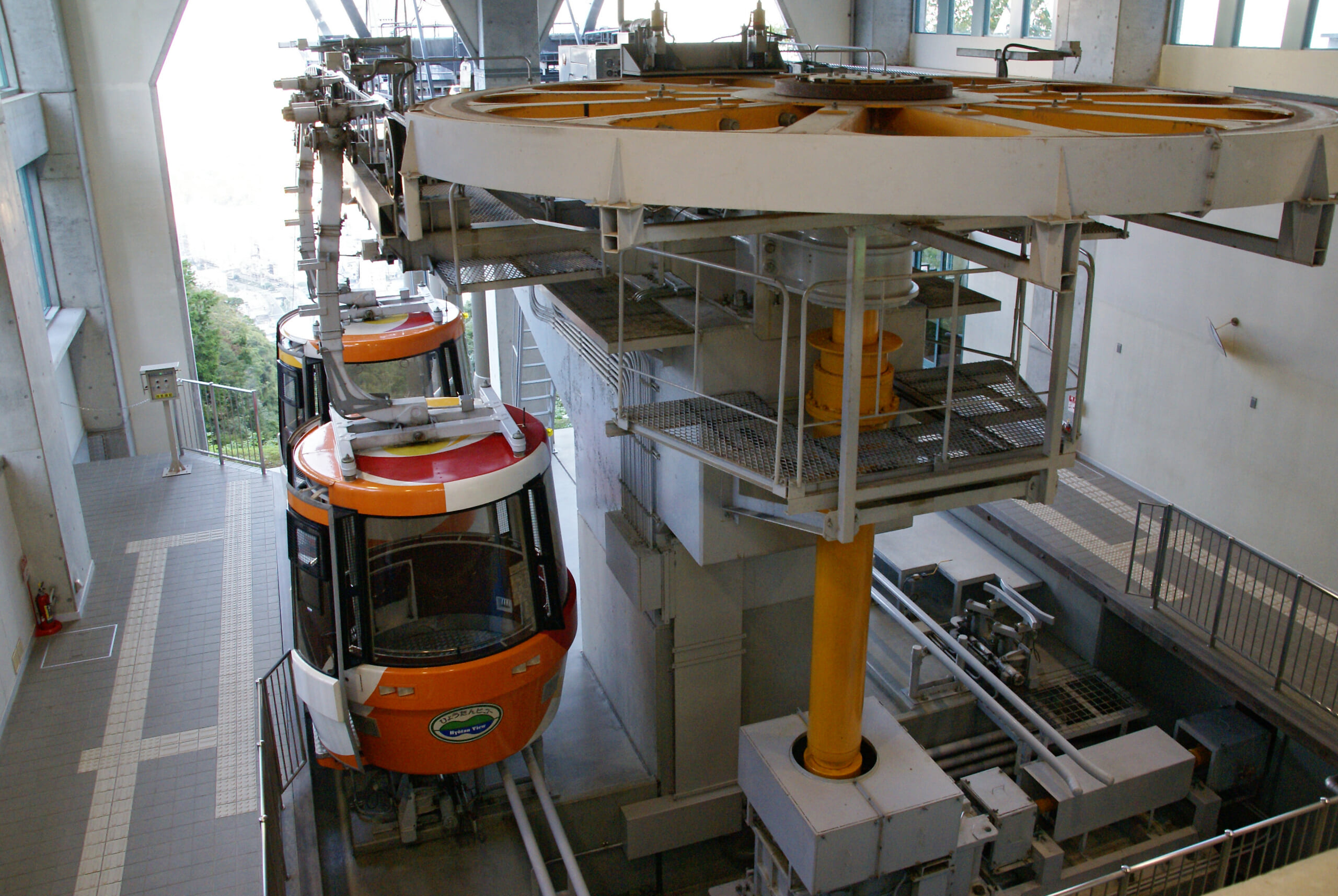
The lower ropeway station is inside Awa Odori Kaikan, so it is tempting to treat Mt. Bizan as a free extension of the show. It is not: the hall’s rate sheet lists a separate adult round-trip ropeway fare of ¥1,500 and different operating hours by season. The listed normal period runs later in April–October than in November–March. Treat the combined show-and-ropeway cost as two purchases, and check the ropeway notice for your own date because weather, inspections and special events can interrupt service.
For a daylight visit, the ropeway can add a city view if you have spare time and clear weather. For a night-show plan, do not assume you can ride up after the 20:00 performance: a typical 50-minute show ends around 20:50, leaving almost no margin even during a later operating season, while the winter schedule ordinarily ends much earlier. Ride before the show, or make it a separate visit. This is a scheduling inference from the published hours, not a promise of same-day service.
Arrival and a low-stress visit order
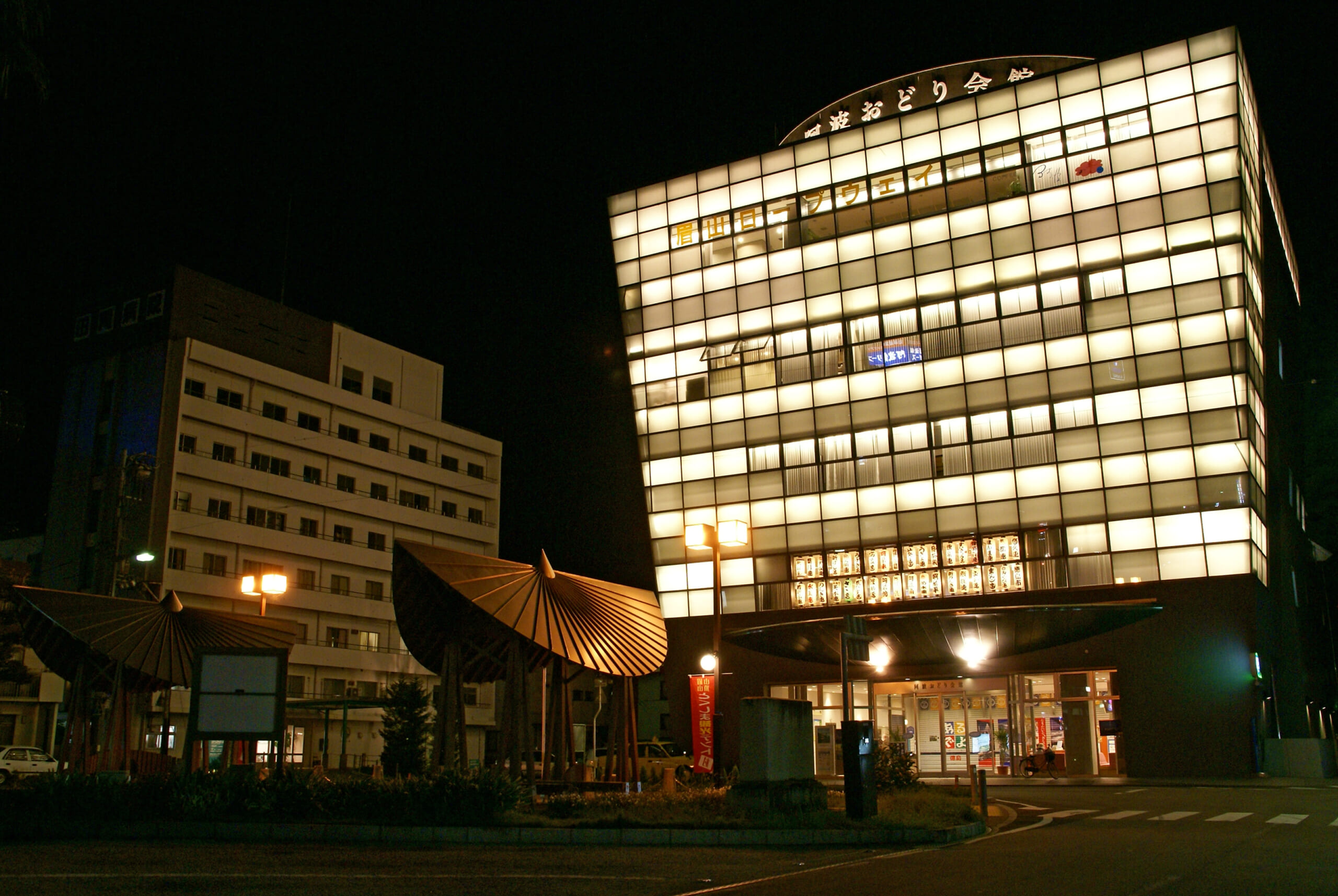
The Japan National Tourism Organization places the hall about a 10-minute walk from JR Tokushima Station. Allow longer if you are leaving bags, finding the entrance or moving with children. A traveler coming from another Shikoku city should check the return train or bus first; the daytime show provides several possible starts, but the night show commits you to one late finish. For a relaxed day, arrive in Tokushima, walk to the hall, visit the museum if desired, see a daytime performance and leave the ropeway as an optional weather-dependent add-on.
If you are staying overnight, reverse the pressure: use daylight for the museum, city walk or Bizan, eat before the show, then see the 20:00 performance without a looming intercity connection. The illuminated hall is easy to recognize after dark, but the photograph here is a view of its exterior—not a representation of the current troupe or stage. The main planning error is booking transport around a nominal show start without accounting for ticketing, the full performance, walking back and a possible schedule change.
- Check the hall’s current show and closure notice for your travel date.
- Choose day, evening or museum-only based on when you must leave Tokushima and whether live dance is the reason for visiting.
- If adding Mt. Bizan, verify ropeway hours and separate fare, then allow weather flexibility.
- Mark your return connection before buying admission, and keep time for the walk from the hall to the station.
For the broader trip, use our Tokushima travel guide to place this cultural stop among the prefecture’s other sights, and browse Things to Do for other ticketed-visit decisions. The worthwhile purchase here is the one that fits your available time; there is no need to buy every part of the building to understand Awa Odori.
Image credits: daytime hall and nighttime hall by 663highland (CC BY 2.5); Bizan Ropeway by 663highland (CC BY-SA 4.0).
Official sources: Awa Odori Kaikan visitor information, hall FAQ, night-performance schedule, Tokushima City facility guide, JNTO access guide, hall and ropeway rate sheet.