Kawaguchiko is small on a map, but the best place to stay depends on what you want to make easy every morning and every evening. Stay by Kawaguchiko Station if you arrive by train or highway bus, have luggage, or need a dependable start for local buses. Choose the east or south lakeside when you want to walk to the ropeway and waterfront sights and do not mind a short transfer from the station. Pick the north shore when a quieter, Fuji-facing setting matters more than stepping onto a bus whenever you move around.
Start with the Yamanashi travel guide for the wider prefecture. Transport and weather both affect a Mount Fuji stay, so the practical details below were checked on 2026-08-05; confirm the live timetable and your property’s exact stop before booking.
The quick choice
| Base | Best for | Choose it if | Think twice if |
|---|---|---|---|
| Kawaguchiko Station | Rail or highway-bus arrivals, luggage and short stays | You want the simplest first and last day, plus the broadest choice of bus departures. | You want a quiet waterfront setting to be the main part of the stay. |
| East/south lakeside | Walkable lake sights and an active sightseeing base | You want the ropeway and lake edge close by, and are comfortable with a short station transfer. | You have an early departure or expect to return to the station several times a day. |
| North shore | View-first stays and a slower lake rhythm | A broad Fuji-and-lake outlook is worth planning bus, taxi or car movements around. | You want the station, restaurants and every local-bus start immediately outside the hotel. |
The important distinction is not “near Mount Fuji” versus “far from Mount Fuji.” All three choices can work for a first visit. The real difference is whether you are optimising for transport, for walkable lakeside time, or for the setting you return to at the end of the day. Decide that first, then compare a small number of properties inside the right area.
Stay by Kawaguchiko Station for the simplest arrival and departure
Kawaguchiko Station is the most forgiving base when your trip begins or ends with a train or a long-distance bus. Fujikyu identifies it as the terminal station of the line, and the town’s tourism site lists direct bus corridors from Tokyo, Shinjuku, Haneda, Narita and other cities. The local transport guide also describes the station as the starting point for the buses that spread around the lake area. That combination matters more than a generic “central” label when you are arriving tired, carrying suitcases or leaving on a fixed connection.
Choose the station area for a one-night stop, a car-free trip with several bus rides, or an itinerary that continues to another city the next morning. It is also the safest default when the forecast is uncertain: you can keep plans flexible instead of making a long return from a distant lakeside hotel just to change transport. The trade-off is atmosphere. You can see Fuji from around the station on a clear day, but the lake itself is not the view outside every door.
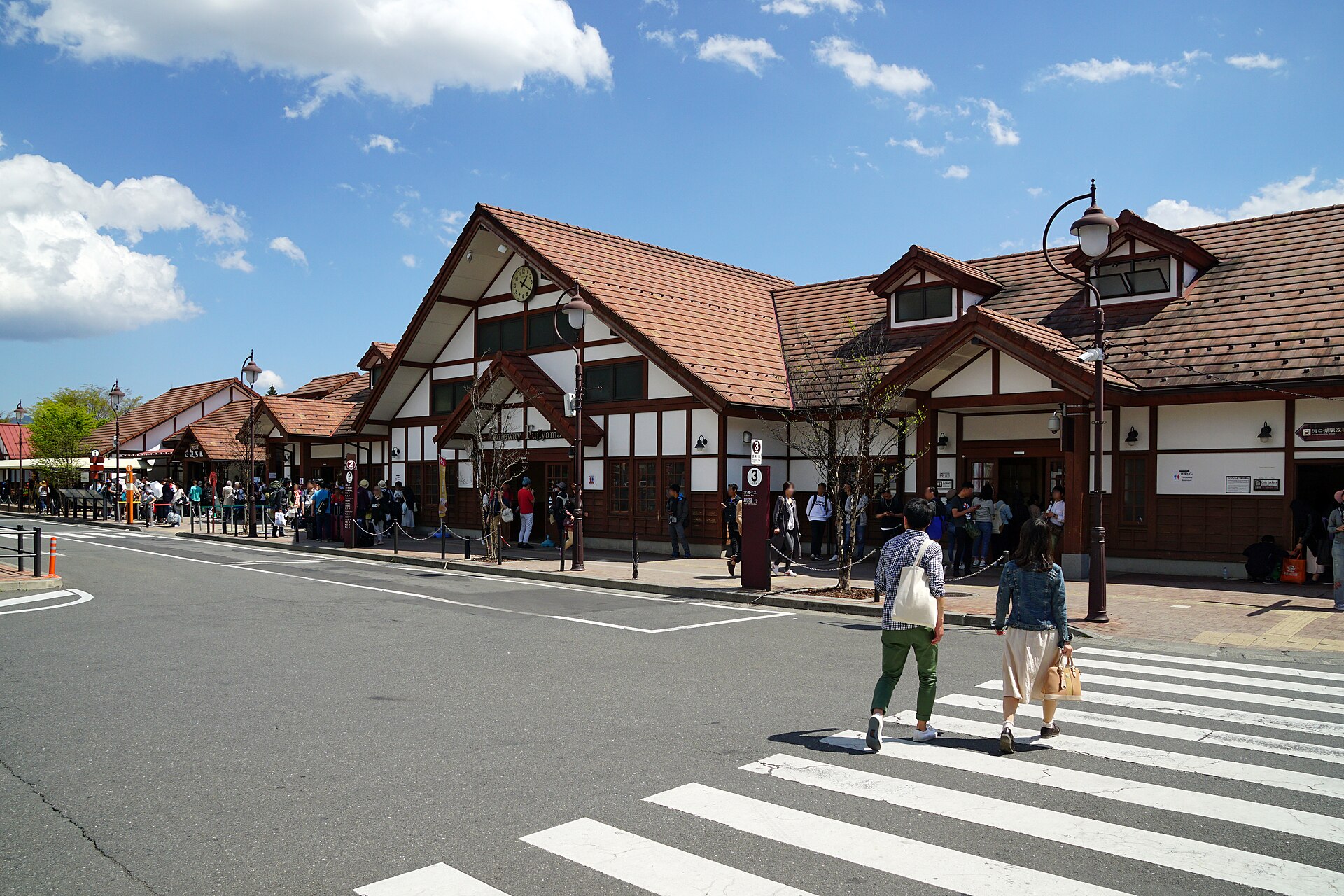
Before committing, check the exact side of the station, the walk to your bus bay, and whether your booked room is actually in the station district rather than simply marketed as “Kawaguchiko.” In a small resort town, that map check is more useful than assuming every property with the lake name is equally convenient for luggage.
Choose the east or south lakeside for walkable sights
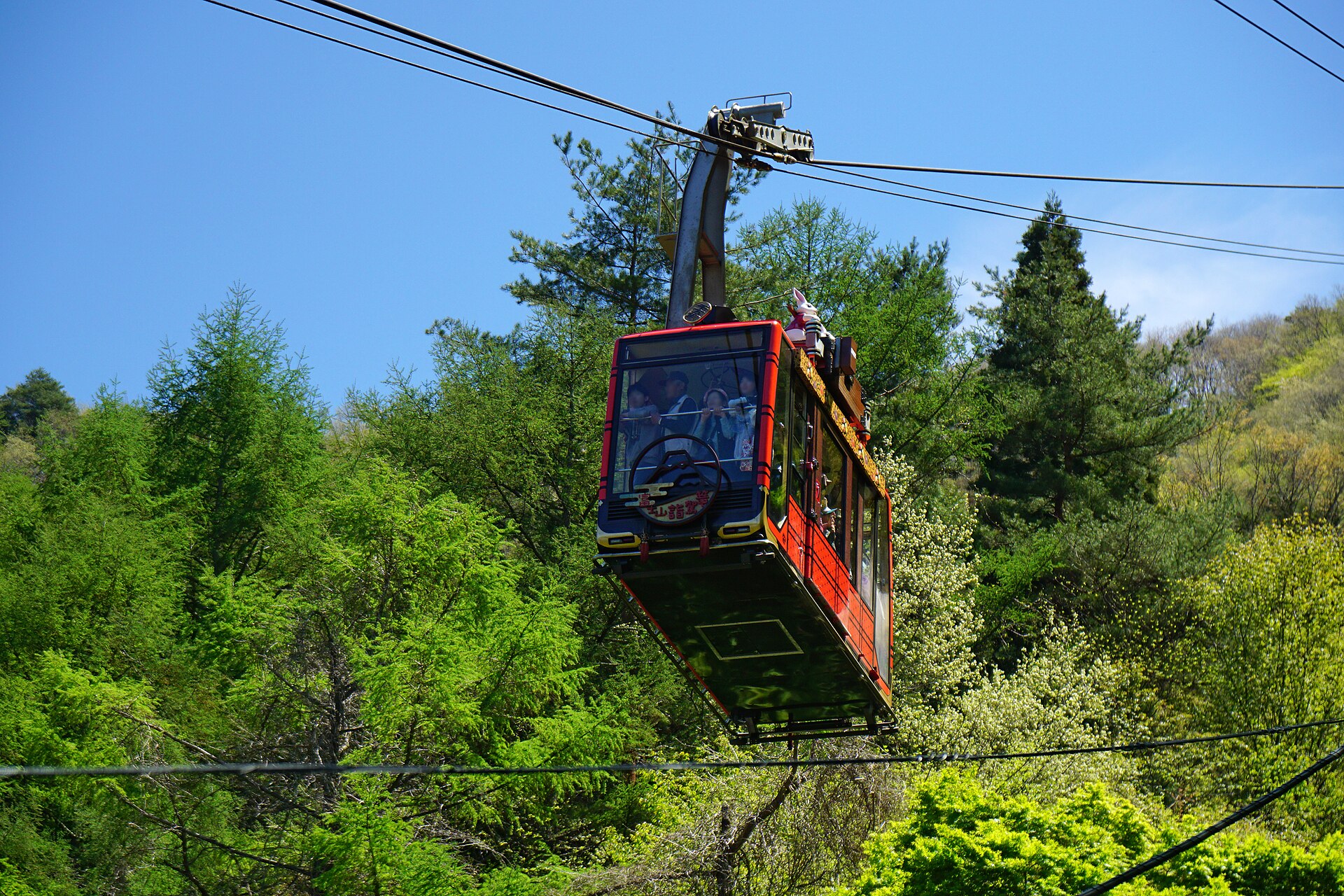
The east and south side of Lake Kawaguchi suit travellers who want the waterfront to shape the day rather than just appear in a transfer. This is the practical choice for the Panorama Ropeway area and nearby lake walks: the ropeway’s own information places it in Asakawa and says it is about a ten-minute walk from Kawaguchiko Station. Staying nearby makes it easier to visit early or return on foot, instead of treating the lakeside as one stop in a bus itinerary.
It is still important to plan realistically. The ropeway does not use reservations and its official FAQ warns that Golden Week, late July to late August, and November foliage season can be crowded. That is a reason to choose a lakeside base if an early start or an evening walk matters to you; it is not a guarantee that every attraction will be quiet. Build your day around the current operating information rather than a hotel listing’s walking-time claim.
This area works well for travellers who prefer one or two focused lake days. It is less ideal when your plan starts each morning from the main bus network or when an early station departure is non-negotiable. A short transfer is easy when you make it once; it feels longer when you repeat it with bags or after dark. For a wider look at the lake area itself, see the Fuji Five Lakes guide.
Choose the north shore when the view is the point of the stay
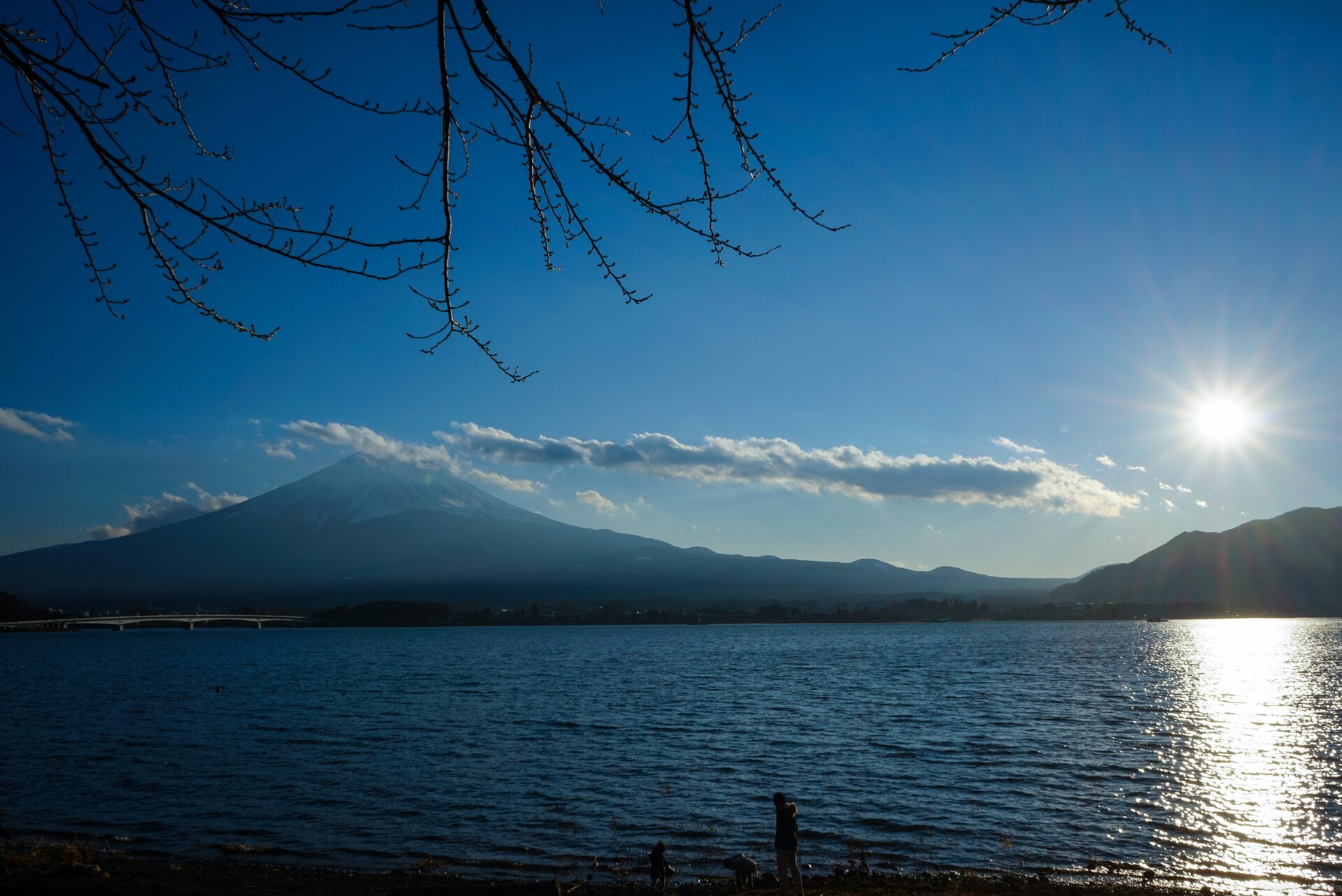
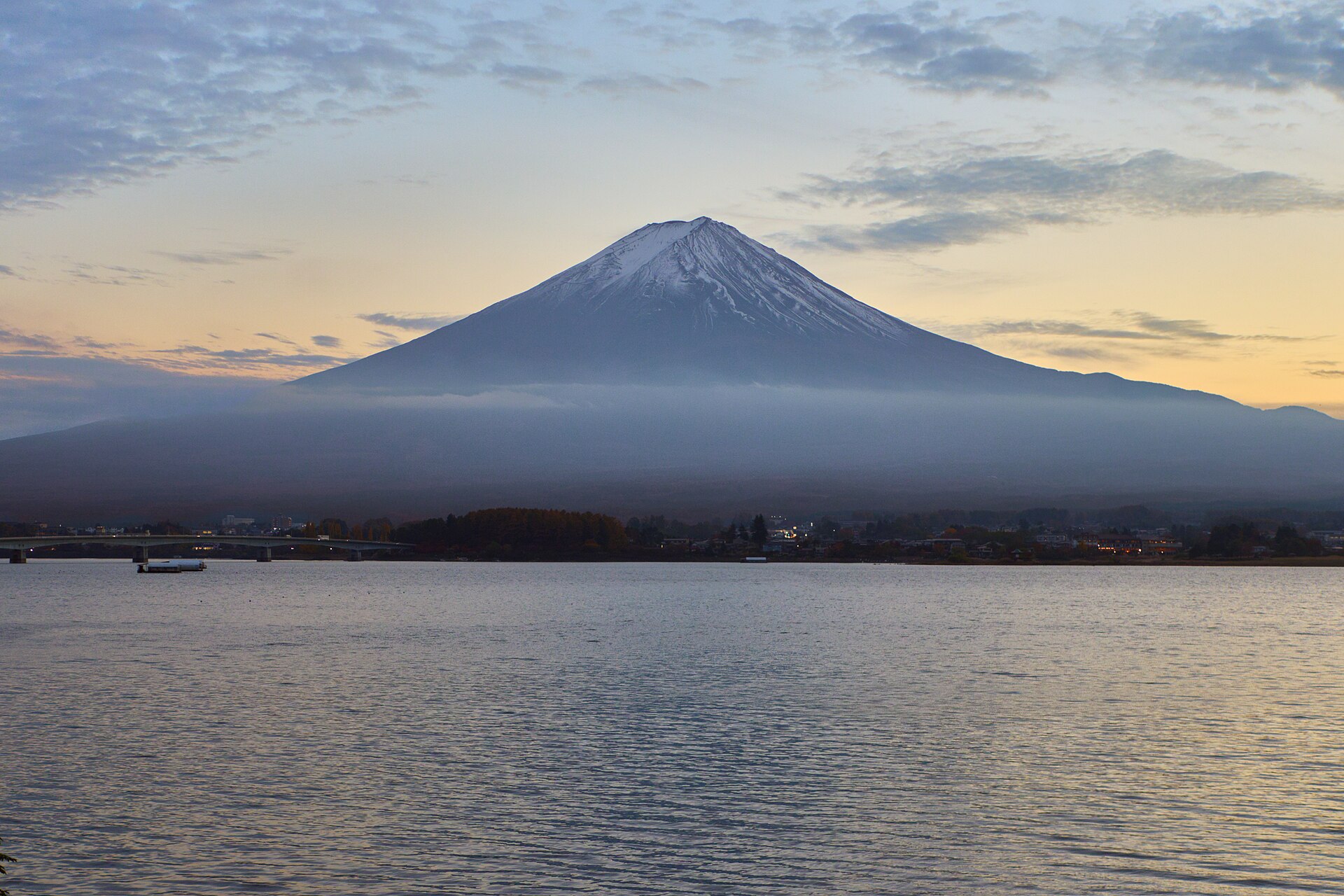
The north shore is the deliberate view-first option. It is where a lake-and-Fuji outlook can be part of breakfast, a slow afternoon, or the reason to stay an extra night rather than simply passing through. Choose it when that setting is central to your trip and you are happy to arrange the practical side around it: a bus timetable, a taxi after dinner, or a rental car.
Do not book the north shore on the assumption that it makes every Kawaguchiko sight easier. The local tourism transport guide shows that the network radiates from Kawaguchiko Station and then separates into different lake-area routes. That makes the north shore a stronger choice for travellers with a defined plan than for visitors who want to improvise several far-flung stops each day. It can be excellent for a slower stay, but it is not the same thing as being next to the transport hub.
Make the choice with your actual itinerary
- Arriving late, leaving early, or carrying luggage: begin with Kawaguchiko Station and move farther out only if the property clearly improves the trip.
- Planning the ropeway and lake walks as priorities: compare east or south lakeside properties, then confirm the actual walk and the current operating notice.
- Booking for Fuji views and a slower pace: put the north shore first, but check the bus or taxi plan before treating it as car-free.
- Relying on public transport for several sights: keep the station area in the comparison because it is the bus-network starting point.
- Adding another Fuji-region stop: check which side of the mountain you need next; the Mount Fuji Shizuoka-side guide covers a different onward direction.
In short: pick Kawaguchiko Station for friction-free transport, the east or south lakeside for a walkable sightseeing rhythm, and the north shore when the view deserves to drive the plan. A clear Fuji day is never something a hotel can promise, so choose the base that still works when cloud, crowds or a changed timetable alter the day.
Sources checked: Kawaguchiko Station information, Fujikawaguchiko highway-bus access, the Fujikawaguchiko transport guide, and the Mt. Fuji Panorama Ropeway FAQ. Checked 2026-08-05.