Stay near Aizu-Wakamatsu Station when this is a rail stop or an early-departure base; stay in Higashiyama Onsen when the ryokan evening is the reason for stopping. The choice turns on the last bus or taxi leg, your dinner plan and how much moving with luggage you want to do?not a claim that one area always has cheaper rooms.
| Decision axis | Aizu-Wakamatsu Station area | Higashiyama Onsen |
|---|---|---|
| Arrival and access | Finish at JR Aizu-Wakamatsu Station and walk to the actual hotel. Aizuwakamatsu Washington Hotel is one example about three minutes from the station, not a promise about every listing. | Continue from the station by local bus or taxi to the onsen district; official tourism guidance suggests about 20?25 minutes by bus before the property-specific final walk or pickup. |
| Booking and meals | Check room type, check-in and breakfast separately. A hotel room is not automatically comparable with a ryokan’s dinner-and-breakfast plan. | Confirm whether the exact rate includes dinner and breakfast, the dinner arrival cutoff, dietary arrangements and any pickup reservation before paying. |
| Walkability with luggage | Best when a short station-to-hotel walk matters. Verify the route from your platform to your chosen entrance, not just the map pin. | Check the bus stop to the actual inn, steps or slope and the baggage plan. A shuttle shown by one ryokan does not mean all lodgings offer it. |
| Local mobility | Return easily to the station for rail trips; use the sightseeing bus to reach city sights and Higashiyama when needed. | Enjoy the valley base but budget a separate bus or taxi leg for station-based departures and check the return connection. |
| Evening fit and stay length | Fits a one-night rail stop, flexible city dinner or several onward moves. | Fits a slower onsen-focused night when bathing and an unhurried morning outweigh the extra transfer. |
| Best for and trade-off | Choose for an early train or frequent movement; you give up the onsen night and travel out for any visit. | Choose for the inn experience; you gain the evening there but meal timing and the final transfer become part of the booking decision. |
Bus routes, fares and operating times can change. Check the official Aizu Bus route and timetable for your travel date and the selected hotel’s or ryokan’s official booking terms before booking. Compare the same occupancy, meal inclusions and cancellation conditions; add any final transfer to your total.
Choose the station for a moving itinerary
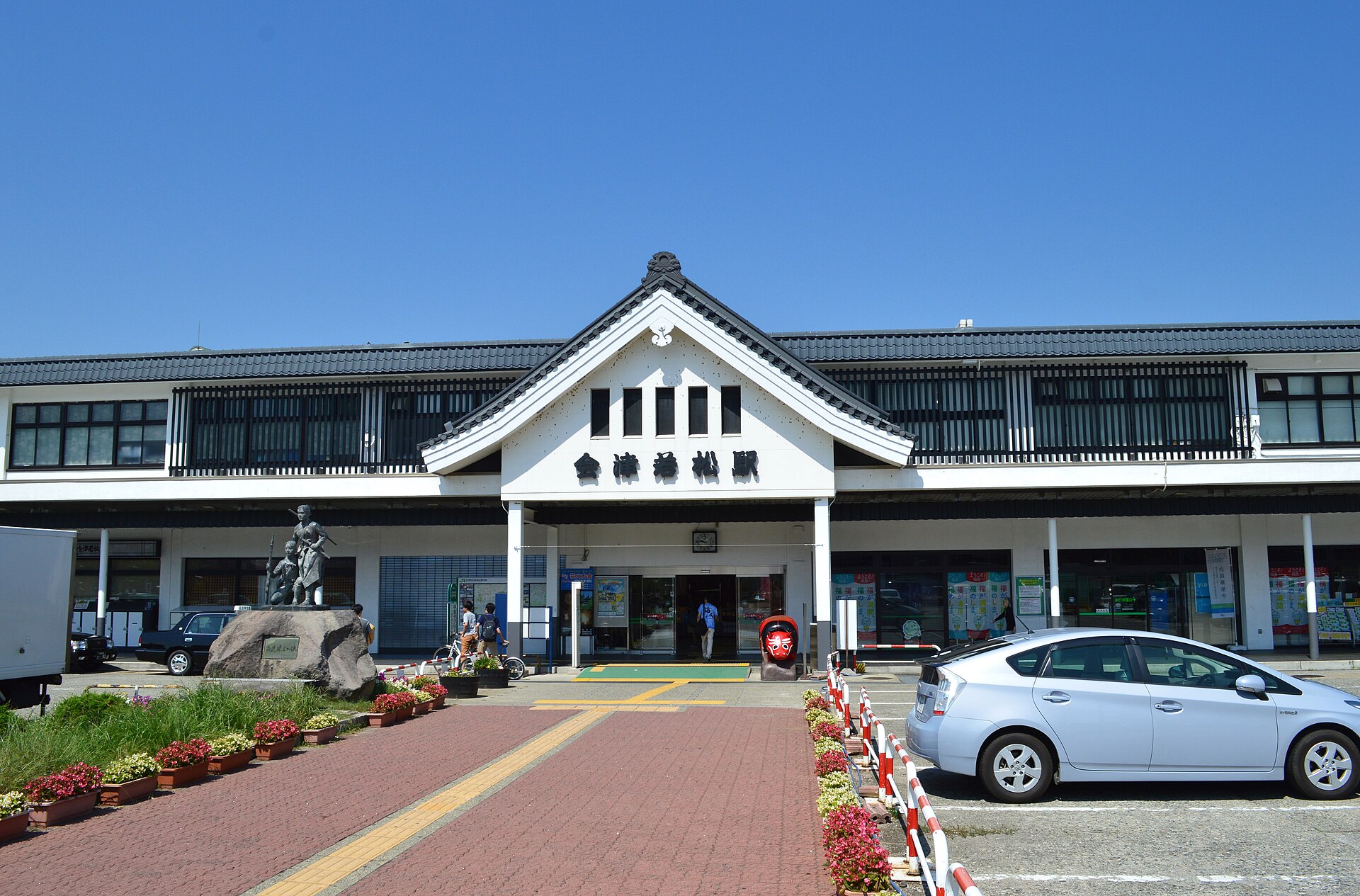
The station is the cleanest anchor when Aizuwakamatsu is one stop in a rail trip. Aizuwakamatsu Washington Hotel’s official FAQ gives a concrete three-minute station walk and says guests can leave bags before check-in or after check-out. Treat those as one hotel’s terms. For any other property, confirm the entrance, luggage policy and walking route yourself. A seemingly central room can still be inconvenient if your train arrives late or you must retrace the route with a suitcase at dawn.
A station stay does not rule out Higashiyama: the local sightseeing bus links the station with the town’s sights and the onsen side. But a day visit uses travel in both directions and gives you less of the evening in the valley. If the bath or ryokan dinner is the main attraction, account for those return legs before defaulting to a rail-hub hotel. If you will move on by train the next morning, the station avoids making an onsen-to-station bus connection the critical first step of your day.
Choose Higashiyama for the onsen night
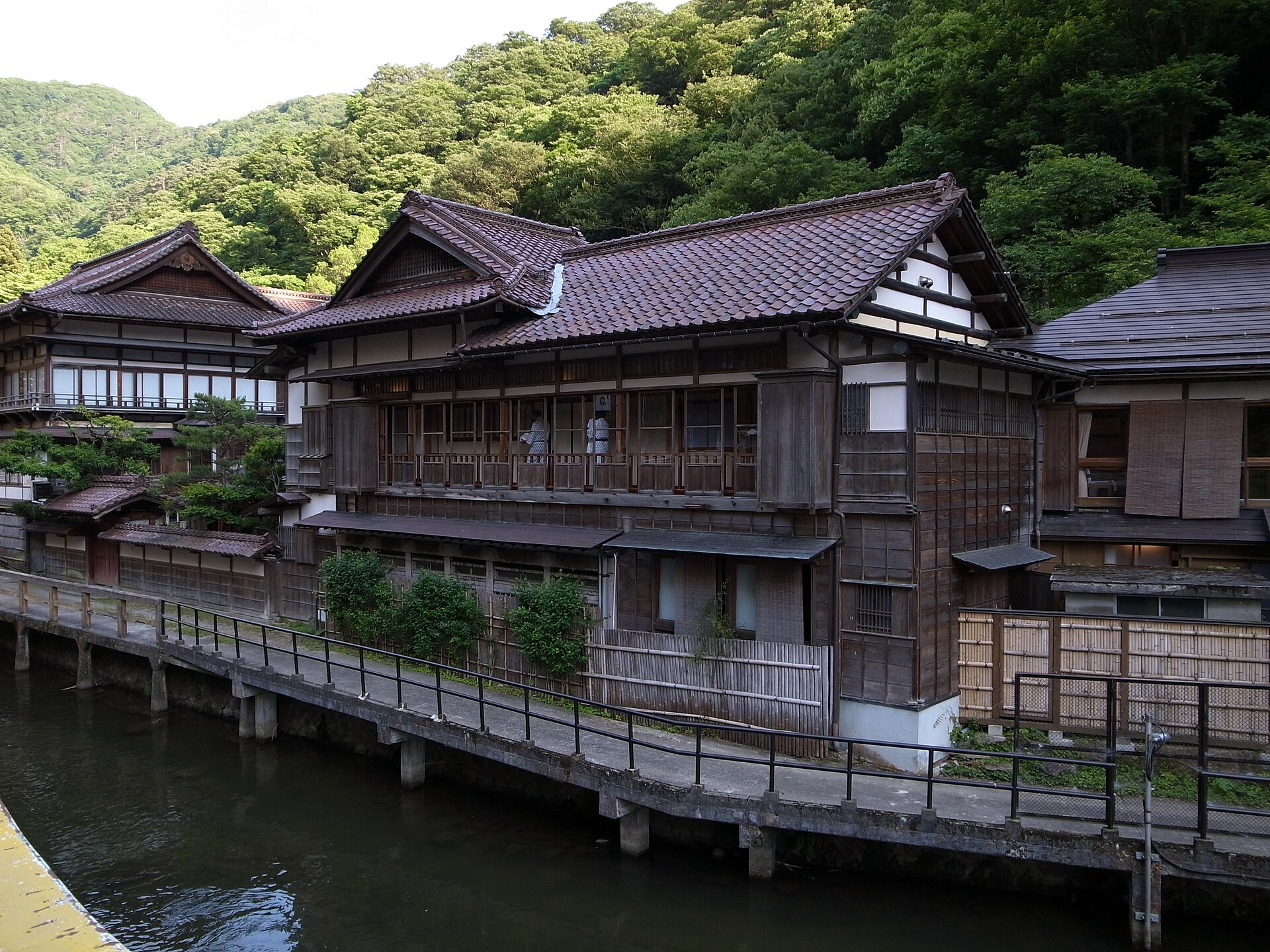
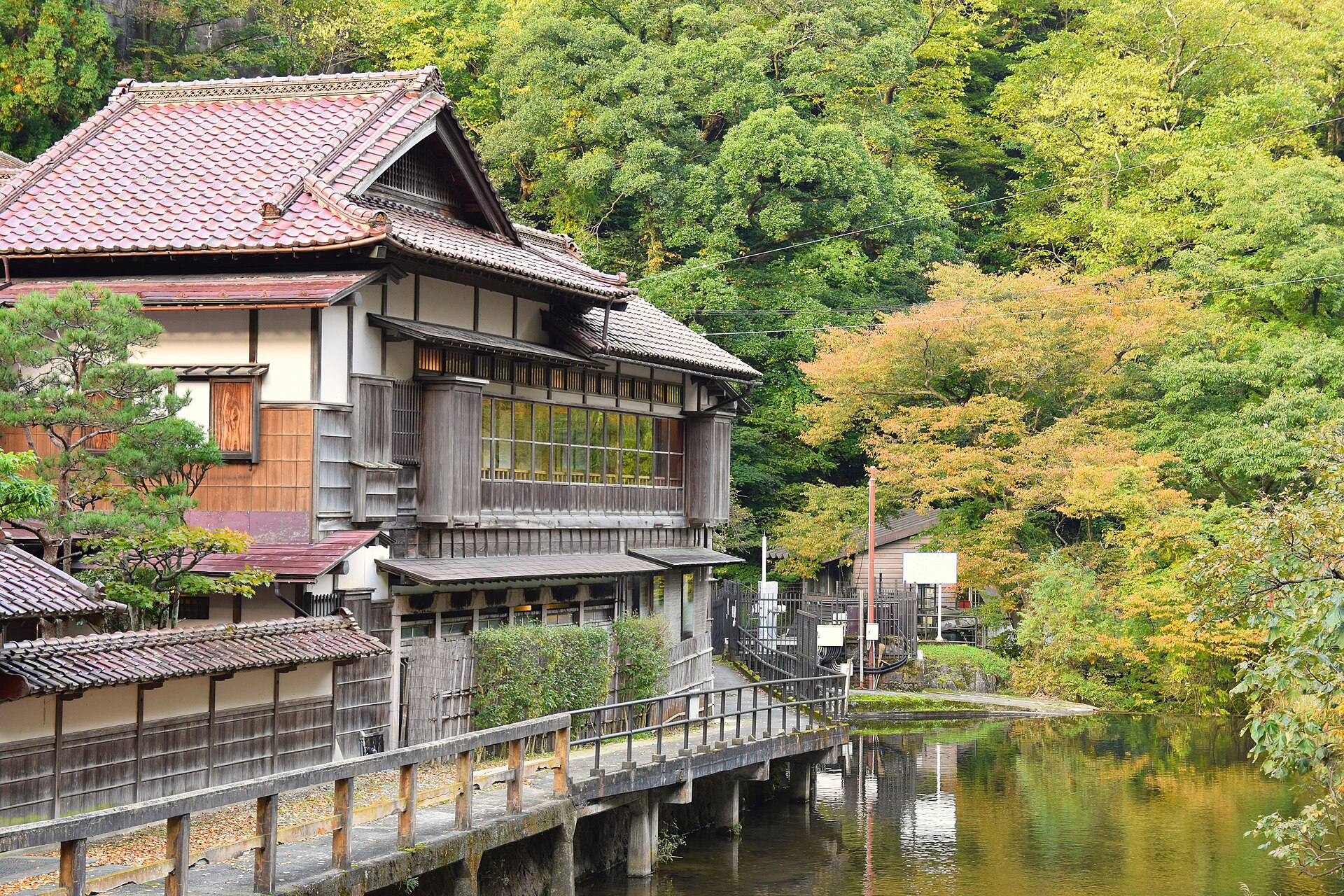
Aizuwakamatsu’s official tourism guide describes Higashiyama as a valley-side hot-spring district with inns and hotels, reachable from the station by bus or car. Its distinction is an evening and morning based there, not just a different bed. If you want bathing, a planned dinner and a slower start, that experience can justify the extra transfer. If you only need a room before another train, it may not.
The final approach is property-specific. One Higashiyama ryokan, Shosuke no Yado Takinoyu, publishes its own access and pickup instructions; these are an example of what to verify, not a district-wide shuttle guarantee. Check where your bus stops, whether pickup needs advance contact and how you will reach the front door with luggage. Do the same in reverse for your departure. A short journey to the district can still be awkward if the last leg and your arrival time do not match.
Do not compare a station room-only search result with a ryokan half-board rate as if they included the same stay. The tourism guide distinguishes common meal formats, while the ryokan’s own FAQ shows why the chosen property’s terms matter. Confirm dinner inclusion, serving time, dietary requests and cancellation conditions on the exact plan. If you arrive too late for its meal service, the onsen choice may lose the value that made it attractive; ask before booking rather than assuming that every inn can serve a late dinner.
Make the room-plus-transfer comparison
- Station base: take the actual room quote, add any round-trip bus or taxi cost for an onsen visit, and allow time to come back for the night.
- Higashiyama base: take the actual room quote with its stated meals and cancellation terms, add the station-to-property transfer in both directions, and check any pickup reservation.
- Either base: test the real arrival hour, luggage route and next-morning departure. Do not infer that a city search result is near the station or in Higashiyama.
For hotel options in this prefecture, see our Fukushima hotel guide.
The Fukushima travel guide helps place Aizu in a wider trip. For this overnight decision, the simplest rule is station for repeat rail movement, Higashiyama for the onsen evening?provided the actual meal and transfer terms work for your arrival.
Image credits: Higashiyama hot springs by Raita Futo (CC BY 2.0); Aizu-Wakamatsu Station by Saigen Jiro (CC0); and Mukaitaki by M Murakami (CC BY-SA 2.0). Wikimedia-resized copies; no other edits.
Official sources: Higashiyama Onsen guide, Aizu Bus route, station hotel FAQ, ryokan access, and ryokan FAQ.