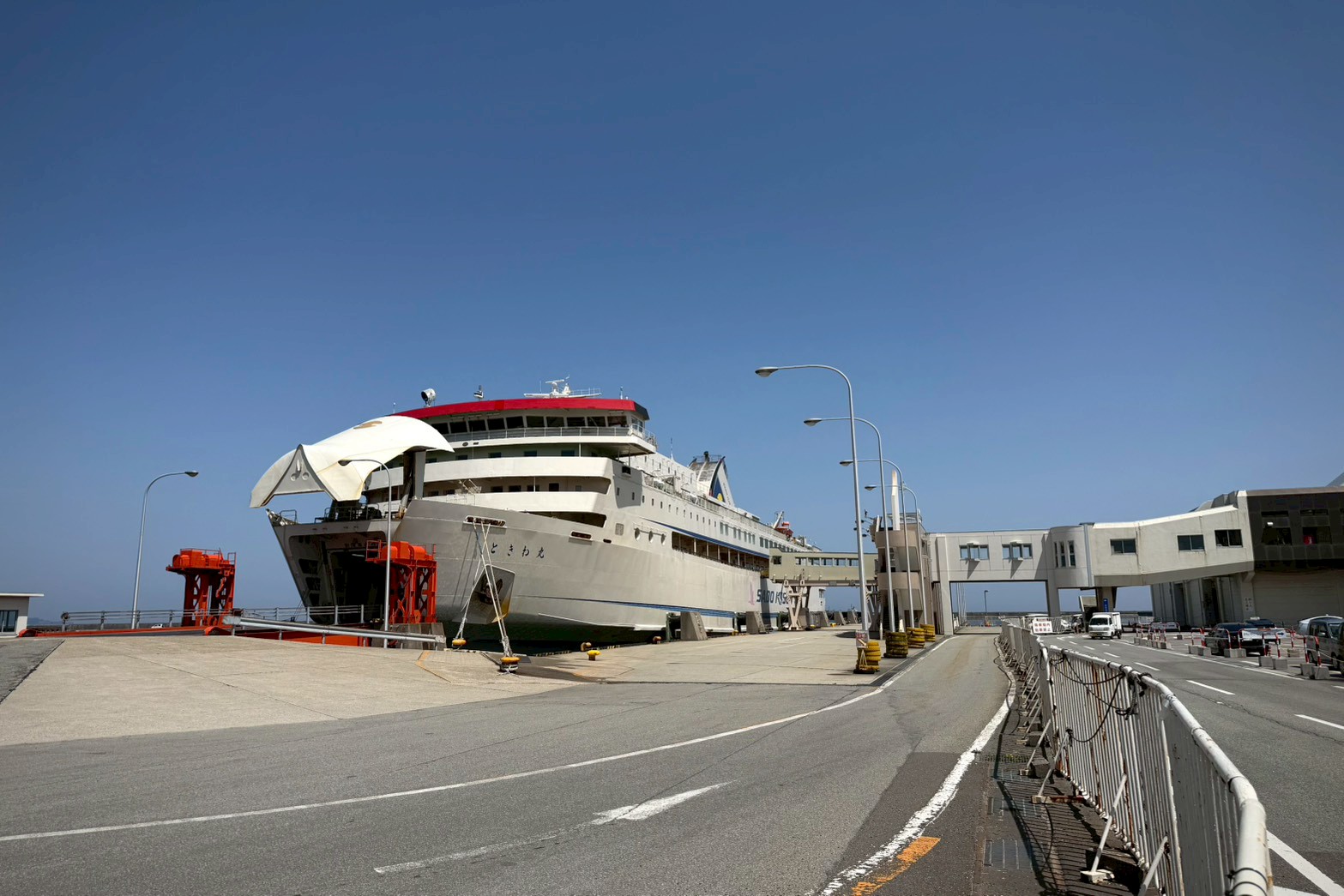
Choose the jetfoil if a shorter crossing is your priority and you have an onward plan from Ryotsu Port; choose the car ferry if you are taking a vehicle or the lower passenger fare matters more than time. Bringing a car is a separate commitment: it changes the fare, booking and check-in. Both services land at Ryotsu, so decide how to reach your first island stop before buying the outward and return sailings.
| Decision axis | Jetfoil passenger | Car ferry passenger | Car ferry with vehicle |
|---|---|---|---|
| Fare | Higher passenger fare; check the live fare table and fuel adjustment. | Usually the lower passenger fare; check class and current fuel adjustment. | Compare the vehicle fare, its size category and passengers with hiring a car on Sado. |
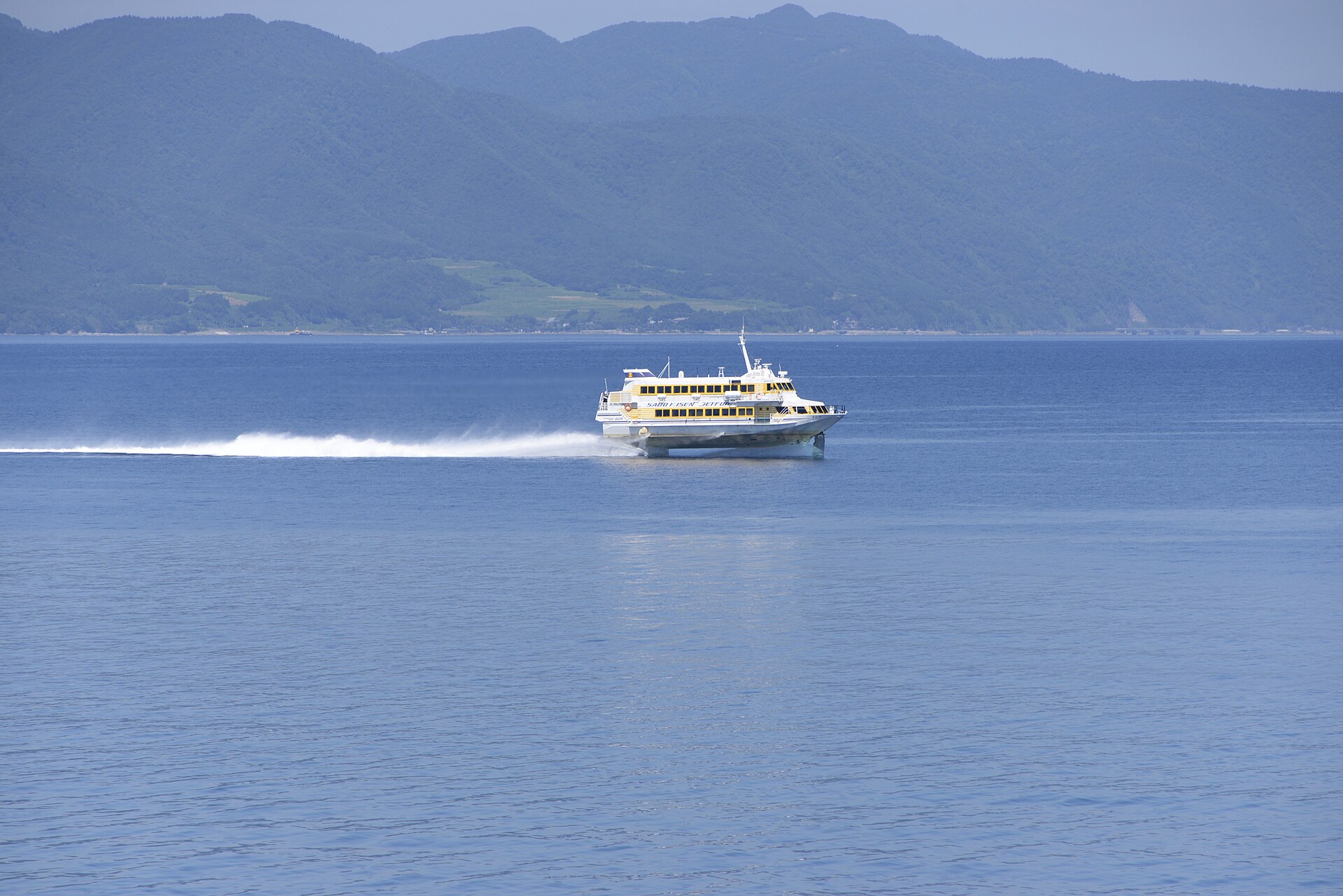
| Journey time | About 67 minutes at sea. | About 2 hours 30 minutes at sea. | The same crossing, plus an earlier vehicle check-in. |
| Booking | Reserve a passenger seat; confirm your travel-date availability and return. | Reserve a passenger place, especially around busy dates, and follow current boarding rules. | Reserve the vehicle space and confirm its dimensions and check-in instructions. |
| Arrival and access | Walk off at Ryotsu; connect to a bus, rental car or confirmed lodging pickup. | The same Ryotsu passenger handoff; no need to bring a mainland vehicle. | Drive from Ryotsu only after planning parking and your island route. |
| Best for and trade-off | Best for a time-sensitive arrival. It costs more and does not solve island mobility. | Best for a cost-sensitive passenger with time to spare. It uses much more of the day. | Best when an existing vehicle is central to a multi-stop trip. The vehicle fare and early check-in add cost and time. |
Check the official Sado Kisen timetable and fare table for your exact travel date before booking. Sailing patterns, fuel adjustments and available seats change. The operator’s service-status page is the check to make again before setting out for the port.
Settle the island transport before choosing the boat
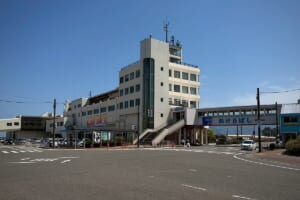
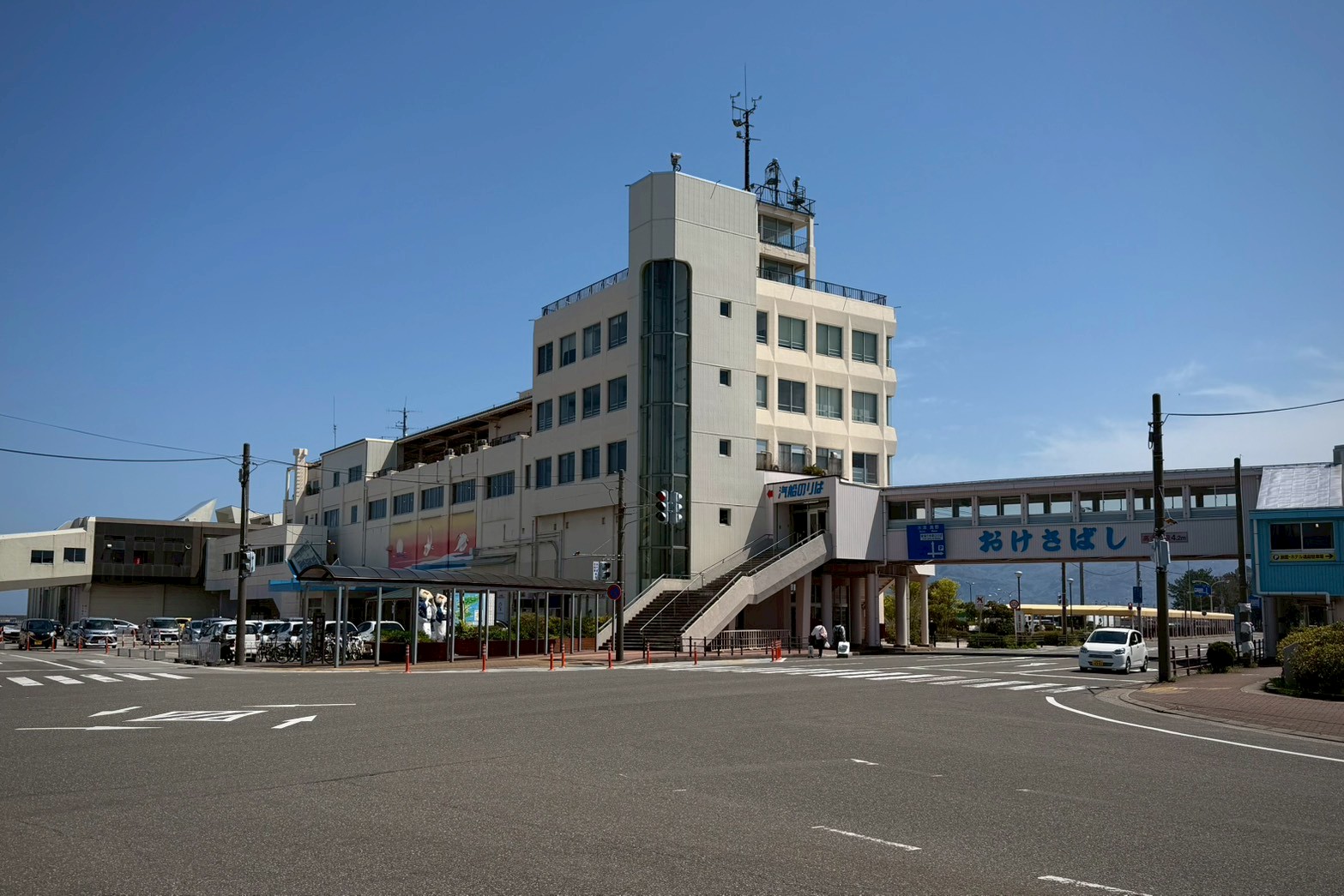
The fast crossing is only useful if your next move works. Ryotsu Port is the landing point for both Niigata services, not a promise that your hotel or Sado Gold Mine is nearby. Sado’s official transport guide lists island buses and car-rental offices around Ryotsu. Check the bus route and last useful departure for your particular lodging or sight, or reserve a rental car for the right pickup time. A late-arriving jetfoil with no onward connection can be a worse plan than an earlier car ferry.
Taking a mainland car can make sense for several spread-out stops, substantial equipment or a road trip that continues on the same vehicle. It is not automatically the cheapest way to drive on Sado. Compare the operator’s vehicle and passenger fares with a passenger crossing plus an island rental, and check where the car can park at your stay. If you only need one or two bus-served stops, the added vehicle space may buy little convenience.
Build the port and booking time into the journey
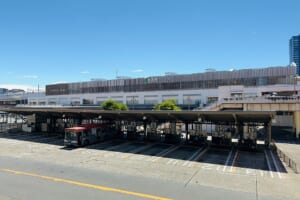
From Niigata Station, the mainland port is a separate transfer; Sado Kisen’s access map gives the bus and taxi approach. Do not treat your train arrival as the ferry check-in time. The operator’s boarding guide asks passengers buying a ticket at the port to arrive 30–40 minutes before departure. It asks drivers to reach the vehicle waiting area at least one hour before departure. Confirm the current boarding instructions, terminal, ticket format and gate opening before your trip.
The online reservation guide distinguishes vehicle and passenger booking windows and explains digital tickets. A vehicle booking requires the car plan to be settled earlier than a passenger-only booking. If you rent on the mainland, confirm the rental company permits ferry travel and that your reserved vehicle category matches the ferry reservation. For a passenger-only crossing, check luggage rules and keep the ticket ready for boarding.
Make the return a second decision
Choose the return sailing against your actual Ryotsu arrival time, not just the last sightseeing stop. Add the bus or drive back to the terminal, rental return, ticket gate and a weather buffer. If your mainland connection is a timed train, an early return may be more valuable than squeezing in one more attraction. The operator says service status can change suddenly with weather and that an undecided sailing may be settled close to departure. Check its current notice and leave a fallback rather than assuming either vessel will run.
A mixed outward and return plan can also work: for example, the jetfoil to protect your first afternoon and a car ferry back when time is less tight. Check that the specific sailings and fares allow that plan before payment. If a vehicle is going with you, its return space must be reserved and the vehicle returned to the correct waiting area. Do not plan to put a car on a jetfoil.
For where to sleep after landing, our Ryotsu versus Aikawa stay guide handles the separate base choice. The Niigata guide covers the mainland and island context; Ishikawa and Toyama help when Sado is part of a wider Hokuriku trip. The crossing choice comes first: confirm the live timetable, fare, vehicle rules and service status for your travel date, then fit the island transfer and return around it.
Official sources: Sado Kisen timetable, fare table, reservation guide, boarding guide, service status, port access, Sado island transport, JNTO Sado Island.