Kinkaku-ji and Kiyomizu-dera are both major Kyoto temple visits, but they fit very different days. Kinkaku-ji works best as a north-Kyoto stop with a fixed 09:00–17:00 visiting window. Kiyomizu-dera is an east-Kyoto/Higashiyama stop that opens at 06:00, with a closing time that changes by season and special night-viewing periods. Choose by your route and usable time, not by trying to tick off both names as if they were adjacent.
As of 2026-08-18, Kinkaku-ji lists adult admission at ¥500 and is open year-round, although special visits can change the normal arrangement. Kiyomizu-dera’s official 2026 calendar lists a 06:00 opening but different closing times through the year; for August 17–31 it lists 18:30. Check the official site before visiting, especially if an evening opening or a final-entry time is central to your plan.
| Your situation | Best fit and first move |
|---|---|
| A fixed north-Kyoto daytime block | Kinkaku-ji. Plan around 09:00–17:00, using the subway to Kitaoji plus a bus if direct buses are slow. |
| An early start, seasonal evening, or Higashiyama walk | Kiyomizu-dera. It opens at 06:00; confirm the closing time for your date and allow for the uphill Gojo-zaka approach. |
| One main temple in a short visit | Stay on your side of Kyoto. Pair Kinkaku-ji with north/west Kyoto, or Kiyomizu-dera with Higashiyama and Gion. |
| Both temples in one day | Use a full-day buffer. Start with the more restrictive opening time and keep the next stop flexible. |
Choose Kinkaku-ji for a north-Kyoto daytime anchor
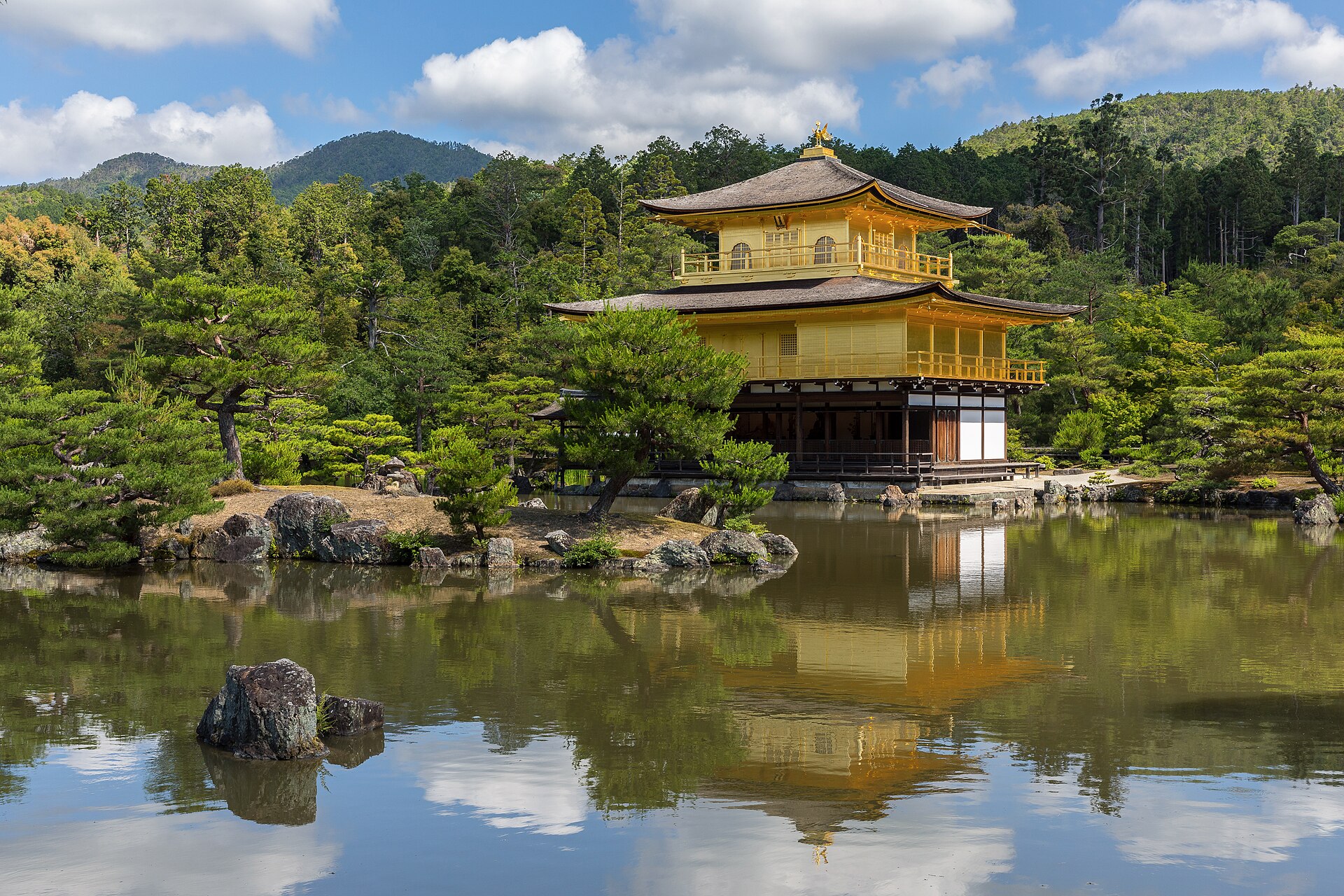
Kinkaku-ji is the better choice when the Golden Pavilion itself is the priority and you can give north Kyoto a proper morning or afternoon block. Its official visitor information lists 09:00–17:00, year-round opening, adult admission of ¥500 and the Kinkakuji-michi bus stop. That makes it a clean anchor after a relaxed breakfast, but not an early-dawn sight: arriving before 09:00 does not create extra temple time.
Access is the practical difference. Kyoto City’s official guidance recommends taking the Karasuma subway from Kyoto Station to Kitaoji, then a 204 or 205 bus to Kinkakuji-michi, followed by a short walk. The direct No. 205 from Kyoto Station can be tempting, but the same guide warns that its many stops and congestion can make it slow. If your day starts in central Kyoto, choose the route that protects your temple time rather than relying on the simplest-looking bus label.
{{image:kinkaku-close}}Choose Kiyomizu-dera for an early or Higashiyama-focused day
Kiyomizu-dera is the stronger fit when you want to begin early, walk through Higashiyama, or use a special evening period that is confirmed for your date. The temple opens at 06:00, while its closing time changes by season and events. In the current 2026 calendar, August 17–31 closes at 18:30; special night openings have their own hours and last-entry rules. Treat that variable closing time as a planning advantage only after checking the official calendar again.
The last approach is part of the visit. The official guide cautions that online maps can suggest routes that do not lead into the temple grounds; the practical entrances are via the Nio-mon Gate above Kiyomizu-zaka or the emergency-road entrance above Chawan-zaka. Kyoto City’s visitor guidance also notes that buses toward Gojo-zaka can be affected by congestion, with uphill walking still required. Start early if you want more room for the approach, the main hall and the surrounding lanes without turning the visit into a race.
{{image:kiyomizu-main}}Do not make a tight two-temple day by accident
The temples sit on different sides of Kyoto’s sightseeing pattern. Kinkaku-ji is a north-western detour that rewards a clear transit plan; Kiyomizu-dera belongs naturally with the eastern hills, Gion and a walking-heavy day. They can fit into one full day, but the sensible version starts with an intentional order and leaves space for the transfer, the bus stop and the uphill sections. A short city break is usually better served by choosing one temple and spending the saved time in its surrounding district.
If you do visit both, start with the temple whose opening or closing constraint matters more: Kiyomizu-dera for a very early start or a confirmed special evening, Kinkaku-ji for the fixed 09:00–17:00 window. Keep lunch flexible, and do not schedule a non-refundable timed attraction immediately after either visit. Crowded buses, a longer-than-expected walk and the desire to pause at the grounds are normal parts of a Kyoto day, not evidence that your plan failed.
{{image:kiyomizu-stage}}A simple way to decide
- Choose Kinkaku-ji when the Golden Pavilion is a priority and you can reserve a north-Kyoto daytime block.
- Choose Kiyomizu-dera when an early start, a confirmed late opening or an east-Kyoto walking route is the better fit.
- Choose one only when you have a short Kyoto stay or a fixed booking elsewhere that day.
- Choose both only when the transfer and walking buffer are real parts of the itinerary, not hidden between two headline attractions.
Continue with the Kyoto travel guide for neighbourhood planning, the Osaka travel guide if Kyoto is part of a Kansai route, and the Shiga travel guide for the next stop beyond Kyoto.
Sources checked: Kinkaku-ji’s official visitor information, Kiyomizu-dera’s 2026 visitor guide, and Kyoto City’s official access guides for Kinkaku-ji and Kiyomizu-dera. Checked 2026-08-18.