Getting from Osaka to Koyasan is not a single train decision. The mountain journey has three parts: the Nankai Koya Line to Gokurakubashi, the cable car to Koyasan Station, and a local bus into the temple town. Choose the Limited Express Koya when a reserved seat and a fixed Namba departure protect a short day. Choose an ordinary train when flexibility matters more than a reserved ride. In either case, do not call the trip finished at Gokurakubashi or Koyasan Station: the cable car and final bus are part of the itinerary.
As of 2026-09-10, Nankai describes the Limited Express Koya as an all-reserved service between Namba and Gokurakubashi; its current page lists a separate adult express supplement of ¥1,100 from Namba, Shin-Imamiya, Tengachaya or Sakaihigashi to Gokurakubashi. The basic fare is separate. Nankai’s Koyasan World Heritage Digital Ticket combines the return rail journey, cable car and a two-day Koyasan bus pass, but its rules and eligible services matter. Check the live timetable, price and ticket conditions for your date before buying.
| Your day | Best first choice | Why |
|---|---|---|
| You have a fixed morning from Namba and want a predictable seat | Limited Express Koya | Reserve the long rail leg, then carry the same plan through Gokurakubashi and the cable car. |
| Your Osaka departure may move and you can tolerate more attention to the route | Ordinary Nankai service | Keep flexibility, but check the current connections rather than assuming every train is equivalent. |
| You want to use buses around the temple town over more than one day | Compare the World Heritage Digital Ticket | It combines the rail return, cable car and a two-day Koyasan bus pass; read the current conditions first. |
| You only have a tight afternoon after arriving at Koyasan Station | Reduce the plan or stay overnight | The station is the start of the town transfer, not the final sightseeing stop. |
Choose the Limited Express when the rail leg needs to be dependable
The Limited Express Koya is the cleanest answer when Namba is your real starting point and the mountain day has a fixed shape. Nankai says it runs between Namba and Gokurakubashi and uses reserved seating. Its current purchase guidance says advance sales begin one month before travel, while same-day purchase depends on vacant seats. That makes it useful for a traveller who would rather protect the long rail leg than search for an alternative after breakfast.
Do not confuse the reserved-seat supplement with the whole journey cost. Nankai lists the express supplement separately from the regular fare. Before you reserve, open the current operator page, select the actual train, and check whether the return timing leaves room for the cable-car transfer and bus movement within Koyasan. A reserved train is valuable only when it fits the whole chain, not when it creates a rushed final hour on the mountain.
Gokurakubashi is a transfer, not the destination
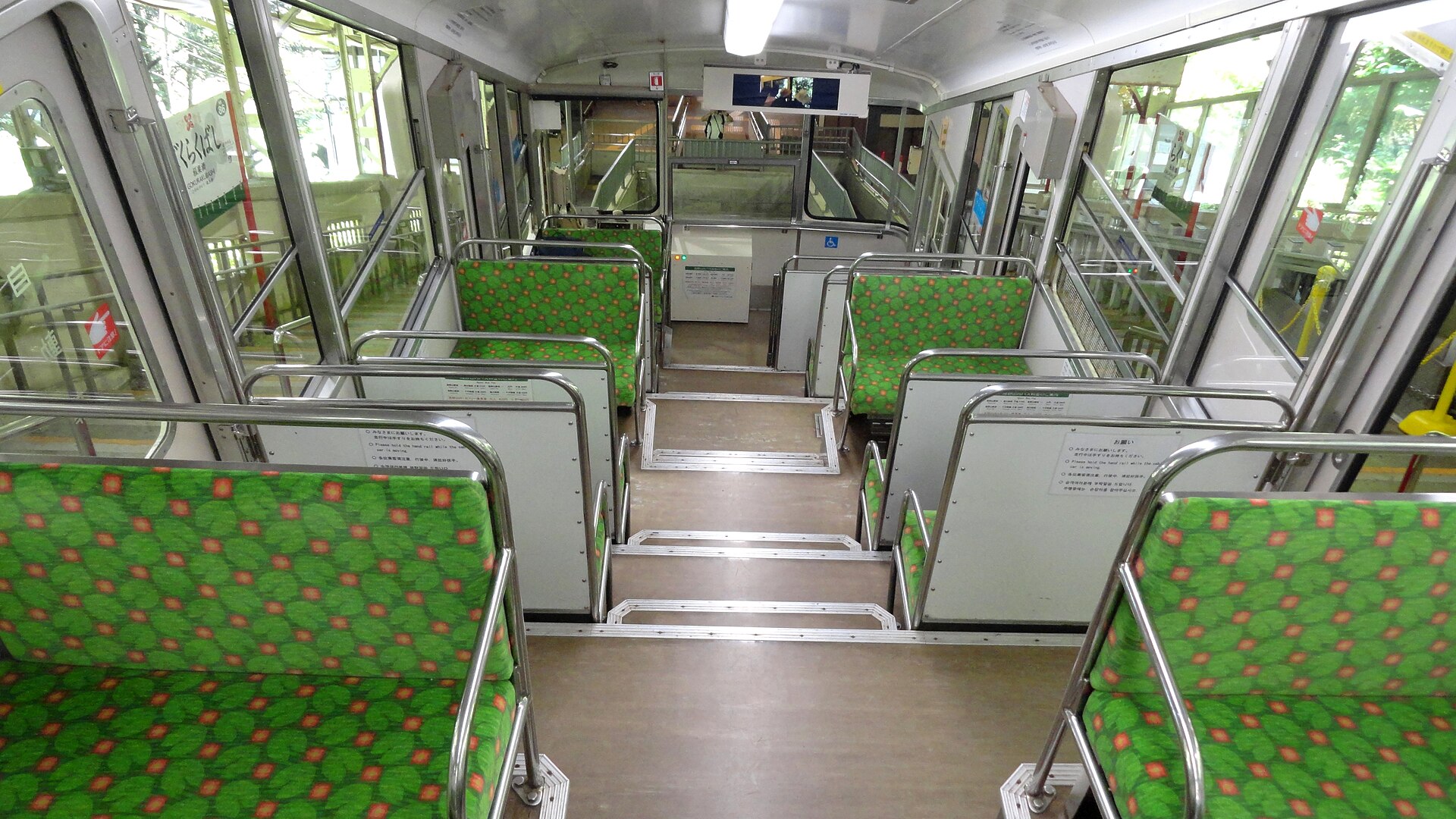
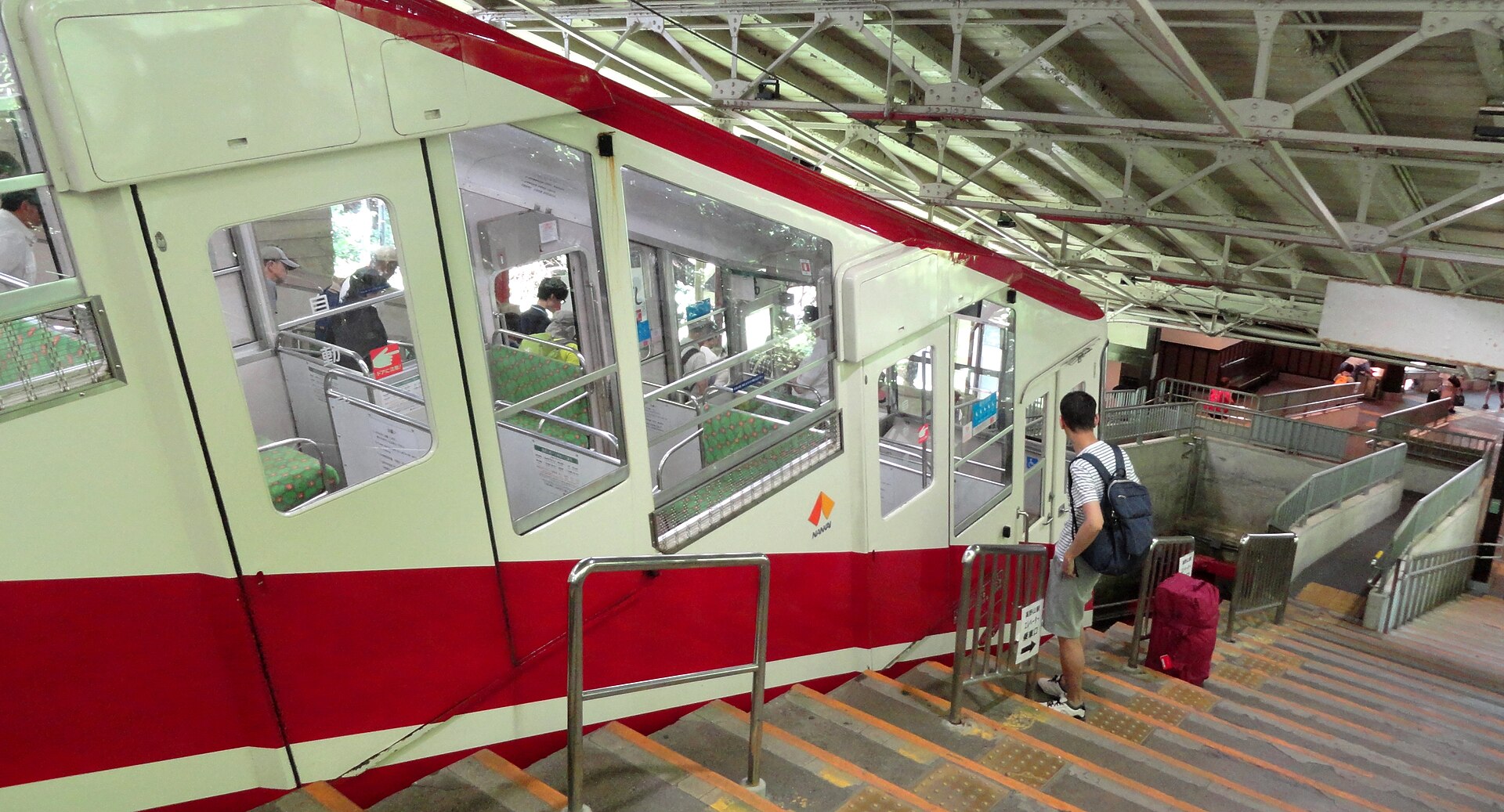
Kongobu-ji’s official access guidance gives the essential sequence plainly: take the Nankai Koya Line to Gokurakubashi, then change to the Nankai Koyasan Cable for Koyasan Station. This is why a day plan based only on a Namba arrival time is incomplete. Leave a connection margin, carry luggage you can manage during the change, and do not schedule a timed temple visit immediately after the train’s advertised arrival.
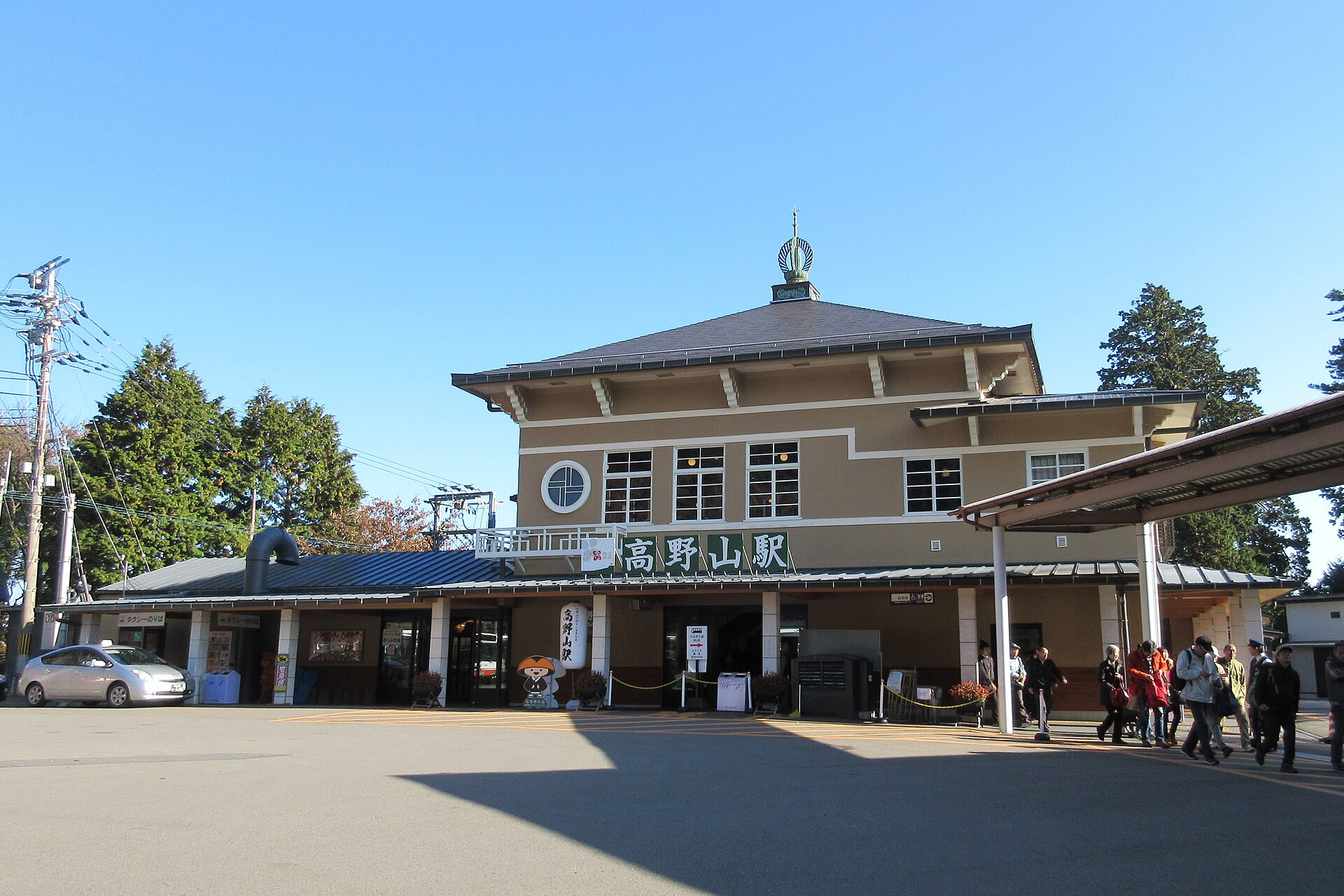
Nankai identifies Koyasan Station as the gateway and notes that buses connect the station forecourt with places around the mountain town. Open the live bus and rail search once your temple or lodging target is fixed. If you are arriving from Kansai Airport, Kongobu-ji directs travellers to change from the Nankai Airport Line to the Koya Line at Tengachaya; from an Osaka city itinerary, Namba is often the more natural starting point. Those are different first moves, so do not copy an airport route into a Namba day without checking it.
Use a combined ticket only when its conditions match the itinerary
The Koyasan World Heritage Digital Ticket can be useful when your route matches its included return rail journey, cable car and two-day Koyasan bus pass. Nankai says the ticket is valid for two days from the selected date and gives separate conditions for a limited-express seat reservation. It also warns that leaving the train before the stated destination invalidates the remaining rail ride, and that a smartphone QR ticket needs a designated gate. These are not minor details if you are trying to make a flexible side stop or travelling with a low phone battery.
A simple Osaka-to-Koyasan check
- Fix the real starting point. Use Namba for a city-centre departure; use Tengachaya only when the airport-line change is actually your route.
- Decide whether a reserved seat solves a real problem. If it does, reserve the Limited Express Koya; otherwise compare the live ordinary-service route.
- Keep Gokurakubashi in the plan. The cable car is a required connection, not a decorative add-on.
- Name the first stop inside Koyasan. Then check the station-front bus connection instead of assuming the town is walkable from the rail terminus.
- Read the pass conditions before purchase. A two-day bus pass helps only when its return route and QR-ticket rules fit your itinerary.
The short answer
Take the Limited Express Koya when a reserved Namba-to-Gokurakubashi rail leg makes a short Koyasan day safer; take the ordinary service when flexibility is worth more than that reservation. In both cases, budget for the cable car and the final bus from Koyasan Station before calling the day feasible. Continue with the Wakayama travel guide, the Osaka travel guide, and the Kansai Airport to Osaka and Kyoto guide for the wider route.
Sources checked: Nankai: Limited Express Koya, Koyasan World Heritage Digital Ticket, Koyasan Station, and Kongobu-ji access. Checked 2026-09-10.